Viscosity for oil
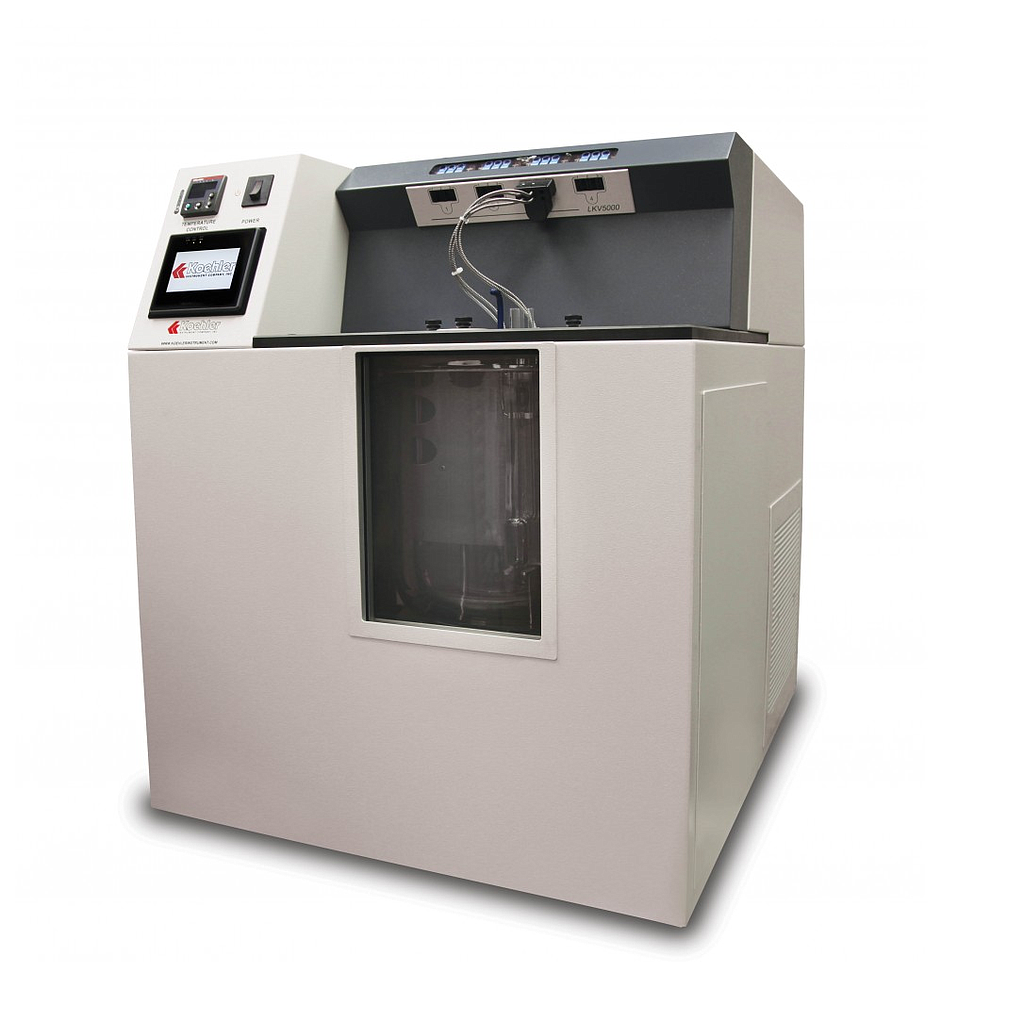
Accurate viscosity measurement is a core requirement in petroleum laboratories, maintenance programs, and fuel quality control. Whether the goal is to evaluate lubricating oil behavior, compare batches of fuel, or verify test conditions for asphalt and related products, the right instrument helps deliver repeatable data under controlled temperature conditions. This category brings together viscosity for oil equipment used for routine laboratory testing as well as more process-oriented viscosity monitoring.
Where oil viscosity testing is used
In oil and fuel analysis, viscosity is one of the most practical indicators of flow behavior and service performance. It is commonly checked for lubricating oils, petroleum products, fuel oils, and bitumen-related samples where temperature has a direct effect on how the fluid moves through a system or test device.
For many users, viscosity data supports product comparison, quality inspection, incoming material checks, and routine lab reporting. It also fits naturally into a broader fuels testing workflow, where viscosity is evaluated alongside other physical and safety-related oil properties.
Main equipment types in this category
This category includes both kinematic viscometers for controlled laboratory measurement and specialized viscosity sensing solutions for continuous or application-specific use. The selection is suitable for users who need anything from a straightforward constant-temperature bath setup to a more advanced instrument with digital timing, display, and tighter temperature control.
Several laboratory models from Samyon illustrate the range well. Examples include the Samyon 265B, 265B-1, 265C, 265C-3, 265D-1, 265H, 265H-A, and 265H-1, covering different bath capacities, sample throughput, and operating formats. For low-temperature work, the Samyon 265G is relevant where refrigeration and stable thermal conditions are important to the test method.
Laboratory viscometers for petroleum products
Most oil laboratories rely on a constant-temperature bath and capillary-based measurement principle to determine kinematic viscosity. In practice, this means the sample is brought to a defined temperature, timed as it flows through the appropriate capillary tube, and then converted into a result according to the method being used.
Models such as the Samyon 265C Petroleum Products Kinematic Viscometer and the Samyon 265B-1 Kinematic Viscometer are representative of this style of testing. Other options like the Samyon 265C-3 and Samyon 265H-A are suited to users who want to process multiple samples in parallel, while the Samyon 265H and 265H-1 support more refined timing and temperature control for labs that place emphasis on repeatability and consistent operating conditions.
For applications involving heavier materials, the Samyon SY-265E Asphalt Kinematic Viscosity Tester extends the discussion beyond standard lubricants into asphalt-related testing. This makes the category useful not only for general oil analysis, but also for users handling a broader petroleum product portfolio.
Why temperature control matters so much
Viscosity values are highly temperature dependent, so stable thermal conditions are not just helpful; they are fundamental to meaningful results. Even when two instruments use a similar measurement approach, differences in bath stability, sensor resolution, and timing precision can influence how confidently a lab can compare one sample to another.
That is why many instruments in this category focus heavily on controlled heating, accurate sensing with Pt100 or Pt1000 elements, and timing functions designed for standardized laboratory work. If your process requires supporting equipment around moisture or sample preparation, it may also be worth reviewing related categories such as oil dryer systems or glass apparatus for ASTM test methods.
Process viscosity monitoring versus bench testing
Not every viscosity task is performed as an offline lab test. Some users need continuous indication inside a fuel handling or industrial process, especially where operating conditions change quickly and viscosity must be tracked in real time. In that context, an inline sensor serves a different purpose from a traditional capillary viscometer.
The Hydramotion VISCOJET Fuel Oil Viscosity Sensor is a good example of this distinction. Rather than focusing on batch-by-batch laboratory timing, it is designed for direct viscosity monitoring with integrated temperature measurement and industrial outputs, making it relevant for users who need a more process-oriented approach to fuel oil viscosity control.
How to choose the right oil viscosity instrument
A practical selection usually starts with the sample type and test environment. Light petroleum products, lubricating oils, low-temperature samples, and asphalt do not always call for the same configuration, so it helps to define whether you need a general-purpose lab unit, a low-temperature model, a multi-sample setup, or an inline viscosity sensor.
Next, review the operating factors that affect day-to-day usability: sample capacity, temperature range, temperature stability, timing resolution, and whether the instrument uses the capillary format already familiar in your lab. Labs handling routine throughput may prefer multi-position systems such as the Samyon 265C-3 or 265H-A, while smaller operations may find a simpler platform such as the 265B sufficient.
Maintenance and workflow should also be considered. Accessories and support equipment can affect turnaround time, especially in busy testing environments. For example, the Samyon 0620-3 Vacuum Viscometer Tube Washer plays a supporting role by cleaning and drying capillary viscometer tubes, which helps preserve measurement consistency and reduces manual handling between tests.
Supporting a complete petroleum testing workflow
Oil viscosity measurement rarely stands alone. In many laboratories, it is part of a broader sequence that may include sample preparation, thermal conditioning, ignition-related safety checks, and method-specific glassware handling. Choosing viscosity equipment with the overall workflow in mind usually improves efficiency more than selecting by specifications alone.
Users building out a more complete petroleum test bench may also want to compare related equipment such as a flash tester for complementary oil and fuel analysis. This kind of category-level planning is often useful for industrial labs, inspection organizations, research units, and educational facilities that need compatible tools across multiple test procedures.
Final considerations
The best fit depends on how and where viscosity data will be used: routine lab certification, comparative product testing, low-temperature analysis, asphalt evaluation, or continuous fuel oil monitoring. This category covers those needs with a mix of capillary-based laboratory instruments and specialized sensing solutions from recognized manufacturers such as Samyon and Hydramotion.
If you are comparing options, focus on the test method, temperature requirements, sample throughput, and the level of automation your workflow actually needs. A well-matched oil viscosity testing setup supports more reliable measurements, smoother lab operation, and clearer decisions across petroleum and lubricating oil applications.
Get exclusive volume discounts, bulk pricing updates, and new product alerts delivered directly to your inbox.
By subscribing, you agree to our Terms of Service and Privacy Policy.
Direct access to our certified experts