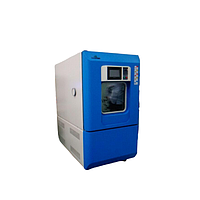
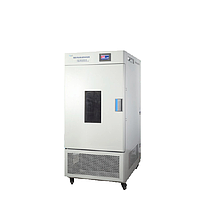
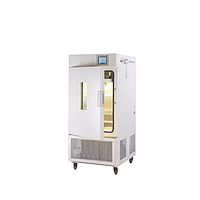
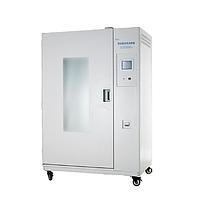
Medicine Stability Tester Chamber
Reliable stability data starts with a controlled environment. In pharmaceutical laboratories and quality systems, chambers used for long-term, intermediate, or accelerated storage studies help teams evaluate how a drug product responds to temperature and humidity over time, supporting shelf-life assessment, packaging validation, and routine stability programs.
Medicine Stability Tester Chamber solutions in this category are intended for users who need stable climate control, repeatable performance, and practical monitoring features for regulated testing workflows. They are commonly selected for drug research, formulation studies, quality control, and storage condition verification where consistent temperature and humidity are essential.
Why stability chambers matter in pharmaceutical testing
Drug stability testing is not simply about storing samples in a warm or humid environment. The chamber must maintain defined conditions with minimal fluctuation so analysts can observe product changes under controlled, traceable test settings. This is especially important when evaluating moisture sensitivity, package performance, or degradation behavior over time.
In practice, a pharmaceutical stability chamber becomes part of a broader testing ecosystem. Results from stability studies are often reviewed alongside data from equipment such as a tablet disintegration tester or a medicine friability tester, depending on the dosage form and development stage.
Typical operating characteristics of this category
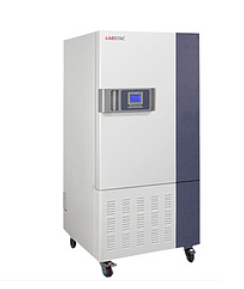
The products highlighted in this category show the core characteristics expected from a modern stability test chamber: controlled temperature and humidity operation, touchscreen-based control, data recording support, alarm functions, and construction suitable for laboratory use. For pharmaceutical applications, a chamber is often expected to provide not only setpoint control, but also stable distribution of conditions inside the working space.
Examples from Bonnin include the LHH-120SDP, LHH-225SDP, LHH-400SDP, LHH-500SDP, and LHH-800SDP. Across these models, the category reflects common requirements such as a temperature range around +10 to 65℃, humidity control across a broad RH range, chamber shelving for sample organization, and features such as viewing windows, communication interfaces, and warning functions for better operational oversight.
Choosing the right chamber size and configuration
One of the most practical selection criteria is usable internal volume. Smaller stability programs or limited sample batches may be better served by compact models such as the Bonnin LHH-120SDP or LHH-225SDP, while larger studies with more batches, packaging variations, or multiple time points may require higher-capacity options such as the LHH-500SDP or LHH-800SDP.
Beyond size, buyers should also consider shelf layout, door access, data recording needs, and installation conditions. A larger chamber can improve sample handling efficiency, but it should still fit the laboratory workflow, available floor space, and utility requirements. For B2B buyers, matching chamber capacity to actual study volume is often more useful than simply choosing the biggest unit available.
Control, monitoring, and data handling considerations
For regulated or semi-regulated laboratory environments, control reliability and traceable records are central to equipment selection. The Bonnin models listed here indicate touchscreen temperature and humidity control, PLC-based operation, real-time data printing, storage capability, and export functions. These features support routine documentation, event review, and day-to-day chamber management.
Alarm capability is equally important. Deviation alerts for temperature and humidity, together with protections related to over-temperature, leakage, short circuit, or refrigeration overload, help reduce the risk of unnoticed test interruption. When laboratories run long-duration programs, these practical safeguards matter as much as the basic chamber specifications.
Material and design features that support laboratory use
Pharmaceutical environments generally favor equipment that is easy to clean, resistant to corrosion, and built for repeatable operation. The chambers shown in this category use SUS304 stainless steel for the liner, which aligns well with laboratory expectations for durability and maintenance. Sealed door construction, observation windows, and integrated lighting also improve daily usability without opening the chamber unnecessarily.
Other useful details in this product group include humidity generation and dehumidification systems, Pt100 temperature sensing, and communication options such as 485 interfaces. Together, these elements contribute to a more complete environmental control setup rather than a basic heated cabinet.
Where these chambers fit in a pharmaceutical equipment workflow
Medicine stability chambers are often used alongside analytical and physical test instruments rather than as stand-alone equipment. After exposure under controlled storage conditions, samples may move to downstream evaluation steps such as hardness, friability, disintegration, dissolution, or visual inspection. That makes chamber selection part of a larger process design decision.
For visual quality and surface-defect control, some manufacturers also operate automated inspection systems such as those from NFA. Models including the SELMA150 T, SELMA200 T, SELMA200 H, and SELMA200 C illustrate how post-stability assessment may extend into tablet or capsule inspection when appearance-related criteria are important.
How to compare options in this category
When reviewing available models, it helps to compare them by a few decision points rather than by specifications alone:
- Chamber capacity for the expected number of samples and study layouts
- Temperature and humidity range relevant to the intended test protocol
- Uniformity and fluctuation performance for confidence in exposure consistency
- Data logging and alarm functions for monitoring and traceability
- Construction and maintenance features for routine laboratory use
Users involved in solid dosage evaluation may also benefit from reviewing related categories such as medicine hardness testers or dissolution testing equipment to build a more complete pharmaceutical testing setup.
FAQ
What is a medicine stability tester chamber used for?
It is used to maintain controlled temperature and humidity conditions for pharmaceutical stability studies, helping evaluate how drug products perform over time under defined storage environments.
How do I choose between smaller and larger chamber models?
Start with the number of samples, packaging variants, and study time points you need to manage. Smaller laboratories may prefer compact chambers, while larger stability programs typically need more internal space and shelving capacity.
Are data recording and alarms important for this type of equipment?
Yes. Stability studies often run for extended periods, so monitoring, record export, and deviation alarms help support consistency, documentation, and operational control.
Choosing the right chamber means balancing environmental performance, usable capacity, and practical laboratory operation. If your application involves pharmaceutical stability studies, this category brings together relevant options for controlled temperature and humidity testing, with representative models from Bonnin and complementary inspection context from NFA for broader workflow planning.
Get exclusive volume discounts, bulk pricing updates, and new product alerts delivered directly to your inbox.
By subscribing, you agree to our Terms of Service and Privacy Policy.
Direct access to our certified experts