Aging, life test system for Lamp, Leds
Long-term performance matters just as much as initial brightness when evaluating lamps and LEDs for product development, quality control, and reliability testing. In practical test environments, engineers often need to verify lumen maintenance, color stability, switching endurance, and resistance to heat, humidity, or light exposure before products move into production or field use. This is where Aging, life test system for Lamp, Leds equipment becomes an essential part of a lighting test workflow.
Within this category, you can find solutions for accelerated aging, xenon-based environmental exposure, automated production-line aging, and life test racks for different lamp formats. The selection is relevant for laboratories, lighting manufacturers, OEM suppliers, and technical teams that need repeatable test conditions and more confidence in long-term product behavior.
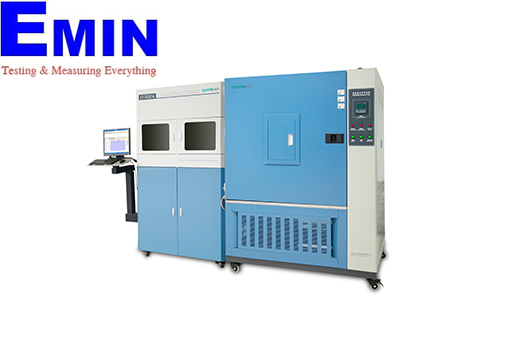
Where aging and life testing fits in lighting evaluation
Aging and life testing helps reveal how a lamp or LED behaves over time rather than at a single measurement point. Depending on the test objective, the system may focus on continuous operation, on/off cycling, elevated temperature exposure, humidity control, or simulated sunlight and weathering. These methods are widely used to assess degradation trends, screen design weaknesses, and compare product consistency across batches.
For many lighting applications, life testing is not isolated from other measurement tasks. Teams may combine aging data with photometric verification, electrical measurements, and spectral analysis to build a fuller picture of product reliability. In this context, related tools such as a light meter can support brightness checks during broader validation work.
Main equipment types in this category
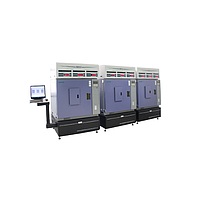
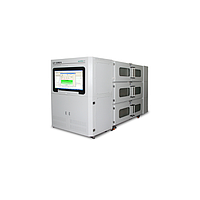
This category covers several different test approaches rather than one single machine format. Accelerated aging systems are commonly used for LEDs where controlled temperature and multi-channel testing help evaluate lumen maintenance and life behavior under defined operating conditions. Examples include the EVERFINE LT-200A, LT-300A, and LT-500A platforms, which are positioned for simultaneous LED testing at different channel capacities.
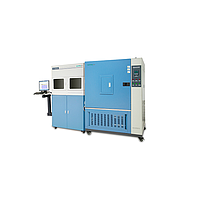
Xenon aging chambers are used when the test goal includes exposure to broad-spectrum light, temperature, humidity, and in some cases spray or simulated weather effects. Products such as the Bevs BEVS 3360 Intelligent Xenon Aging Tester, Lisun XD-150LF, Lisun XD-80LS, YuYang YY1010, and YuYang YY1024 fit this type of application. These systems are useful when materials, housings, coatings, or lamp-related components need light aging evaluation under controlled laboratory conditions.
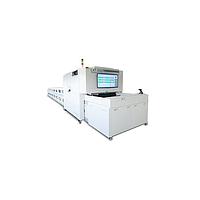
The category also includes life test racks and automated aging lines for production-oriented testing. Lisun SY2036 is aimed at aging and life test tasks with configurable cycles, while EVERFINE LAT-2000 and LAT-3000 are designed for automated lamp aging and test production workflows across multiple lamp holder interfaces and lamp types.
Typical applications for lamp and LED life test systems
Lighting manufacturers use these systems during design verification, incoming quality checks, and pre-shipment reliability evaluation. For LED products, common goals include monitoring lumen depreciation, color shift, and the influence of thermal stress over time. For lamps and assembled lighting products, teams may also assess switching durability, electrical stability, and compatibility with different operating conditions.
Xenon-based chambers add another layer of testing for products exposed to sunlight or demanding indoor-outdoor environments. They can support studies related to aging of optical materials, plastics, coatings, and visible appearance changes after long exposure cycles. When optical performance needs to be correlated with radiation conditions, supporting instruments such as a UV meter may also be relevant in the wider test setup.
How to choose the right system
The most important starting point is the actual test target. If you are validating LED packages, modules, or lamps for long-duration electrical and optical performance, a multi-channel LED life test system is usually more suitable than a xenon chamber. If you need to simulate sunlight exposure with controlled irradiance, filters, humidity, and chamber temperature, xenon aging equipment will be a better match.
It is also useful to review sample capacity, channel count, temperature range, humidity control, wavelength coverage, and whether the system supports on/off cycling or continuous operation. Production environments may prioritize throughput and fixture compatibility, while R&D labs may place more emphasis on controllability and data correlation. For example, the EVERFINE LAT series is more aligned with automated lamp aging workflows, while systems such as the Lisun LEDLM-80PL focus on LED lumen maintenance and life testing.
Another practical factor is the type of measurements required during or after aging. Some workflows need direct photometric, color, or electrical data integration, while others only require environmental stress exposure before offline measurement. If color behavior is part of the evaluation process, related solutions in color sensors can help extend the overall test ecosystem.
Representative manufacturers and product options
This category brings together products from established lighting test equipment suppliers including Bevs, Lisun, YuYang, and EVERFINE. Each brand appears in different parts of the testing landscape, from environmental light aging to LED life evaluation and automated production-line systems.
For xenon exposure testing, the Bevs BEVS 3360 stands out as a high-capacity intelligent xenon aging tester with selectable wavelength-related test conditions and a water-cooled xenon lamp design. Lisun offers both air-cooled and water-cooled xenon chamber options in the XD series, while YuYang provides compact xenon aging chamber alternatives for light exposure testing. On the LED side, EVERFINE LT series systems address accelerated life testing at different channel counts, and the LAT series supports automated aging and test production lines for multiple lamp formats.
Points to compare before ordering
Beyond the headline specifications, buyers should look carefully at how the test method aligns with internal standards and product risk points. Chamber-based systems should be assessed for temperature and humidity control logic, irradiance control range, filter options, and specimen loading. Rack and line-based systems should be checked for socket compatibility, electrical loading, cycle programmability, and integration with measurement tasks.
It is also important to think about maintenance, lamp replacement intervals, and the practical footprint of the equipment in the lab or production area. Larger automated lines may suit continuous manufacturing environments, while compact chambers or modular life test systems can be more practical for R&D or validation labs handling varied test programs.
Building a more complete lighting test workflow
Aging and life testing usually delivers the best value when it is part of a wider reliability and optical verification process. A typical workflow may include initial measurement, controlled aging, periodic re-measurement, and final comparison against acceptance criteria. This approach helps technical teams distinguish early failures, gradual degradation, and environment-driven performance changes.
Depending on the application, companies may pair these systems with optical alignment or imaging tools elsewhere in the testing chain. For some specialized setups, categories such as camera tester may also be useful when visual inspection or imaging-based evaluation is part of the process.
Final considerations
Choosing the right aging or life test platform depends on whether your priority is environmental exposure, LED lumen maintenance, lamp switching endurance, or high-throughput production testing. The products in this category cover a broad range of lighting reliability needs, from xenon aging chambers to multi-channel LED systems and automated lamp aging lines.
For buyers comparing options, the best approach is to match the equipment to the real test objective, sample type, and data requirements rather than selecting by size alone. A well-chosen system can make long-term lighting performance easier to evaluate, easier to reproduce, and more useful for both engineering decisions and quality assurance.
Get exclusive volume discounts, bulk pricing updates, and new product alerts delivered directly to your inbox.
By subscribing, you agree to our Terms of Service and Privacy Policy.
Direct access to our certified experts