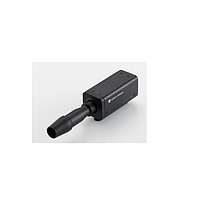
TV, Phone, LCD monitor light tester
Evaluating modern displays requires more than a simple brightness check. In production, R&D, and quality control, engineers often need to verify luminance, chromaticity, flicker behavior, and consistency across different panels used in TVs, smartphones, and LCD monitors. A dedicated TV, Phone, LCD monitor light tester helps turn those checks into repeatable, comparable measurement data.
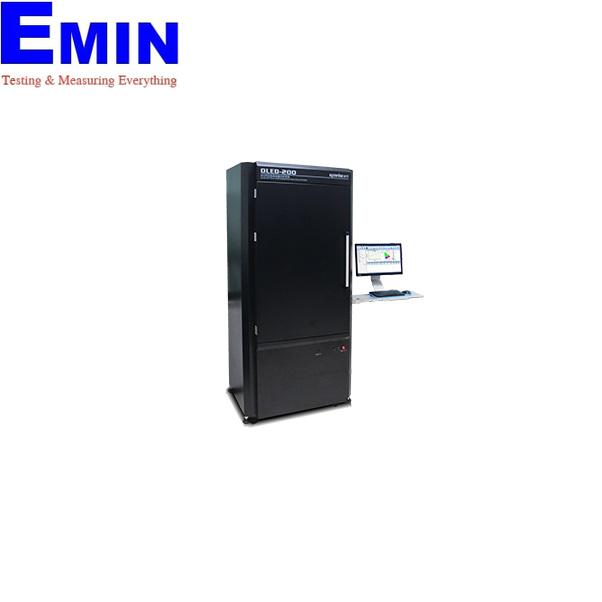
Why display light testing matters
Flat-panel displays are judged not only by how bright they look, but also by how accurately they reproduce color and how stable they remain under different operating conditions. Even small deviations in white balance, luminance uniformity, or flicker can affect product quality, user comfort, and acceptance in inspection processes.
For that reason, display testing equipment is widely used in panel production lines, device assembly, incoming inspection, laboratory evaluation, and maintenance workflows. Compared with general-purpose measurement tools, this category is focused on the optical characteristics that matter most for emissive and backlit screens.
What a display light tester is used to measure
These instruments are designed for screen-related optical measurements such as luminance and chromaticity, with some systems also supporting flicker or contrast-oriented evaluation. In practical terms, they help users compare one screen to another, verify whether a panel meets a target, and document results for process control.
Depending on the setup, a tester may be used for brightness adjustment, color calibration support, display module inspection, and evaluation of panels operating at different refresh conditions. Where broader optical checks are also required, users may complement this category with tools such as a light meter for more general illuminance work or color sensors in integrated detection systems.
Typical system structure for TV, phone, and monitor measurement
A common setup includes a main analyzer unit and one or more probes selected for the target luminance range. This approach gives manufacturers and test engineers flexibility: the core instrument handles display, communication, storage, and control, while the probe is matched to the expected screen brightness and measurement conditions.
Within this category, the KONICA MINOLTA ecosystem is a representative example. The KONICA MINOLTA CA-410 Display Color Analyzer acts as the central platform, supporting multiple probes, data handling, and common communication interfaces used in test benches and production environments.
Representative products in this category
The KONICA MINOLTA CA-410 Display Color Analyzer is suited to workflows that require luminance and chromaticity measurement together with display-oriented evaluation functions. Its support for multiple probes and external connectivity makes it practical for bench testing, offline inspection, and automated stations where repeatability is important.
Probe selection is equally important. The KONICA MINOLTA CA-P410 Normal Probe is relevant for standard display measurement tasks across a broad brightness range, while the KONICA MINOLTA CA-P410H High Luminance Probe is better aligned with applications involving higher luminance targets. In both cases, the probe functions as the optical front end of the system, so the final setup should be chosen based on the display type and expected operating range rather than model name alone.
How to choose the right tester for your application
The first factor is the measurement range. Smartphone screens, LCD monitors, and larger TV panels may operate at different brightness levels, and test requirements can vary between dark-state evaluation and high-luminance inspection. Choosing a system with the right probe range helps maintain accuracy and avoids forcing one configuration to cover every scenario.
The second factor is the set of parameters you actually need. Some users mainly need luminance and chromaticity, while others also care about flicker-related evaluation, sync behavior, or comparative delta values for production judgment. If the tester will be used in an automated cell, communication options such as USB, RS-232C, or Ethernet can be just as important as the optical performance.
It is also worth considering fixture design, working distance, and throughput. A tester that performs well in a lab may still need a different probe arrangement or trigger method on a line. When the workflow includes camera-based optical checks or alignment tasks, related equipment such as a camera tester or collimator may become part of the wider solution.
Common application environments
This category is commonly used in panel and device manufacturing, where operators need fast and repeatable pass/fail decisions for brightness and color performance. It is also relevant in development labs, where engineers compare prototype panels, tune display settings, and verify whether design changes affect measured optical output.
Another important use case is service and incoming quality inspection. When components or completed units are sourced from different batches, a display light tester helps identify variation before products move further into assembly or shipment. That is especially useful when consistency matters across multiple screens within the same product family.
Why dedicated display analyzers differ from general optical tools
A general optical instrument can be useful for broad measurement work, but display analyzers are built around the behavior of screens. They are typically designed to work with display refresh characteristics, screen-focused optical geometry, and parameter sets that are meaningful for panel evaluation rather than only ambient or reflected light measurement.
This distinction matters when the objective is not just to know whether light is present, but to determine whether a TV, phone, or LCD monitor is performing within specification. A dedicated analyzer provides a more appropriate basis for calibration support, process control, and technical comparison across production lots.
Supporting more reliable display quality decisions
Selecting the right display testing equipment is ultimately about matching the instrument to the measurement task. For users working with TVs, smartphones, and LCD monitors, that usually means balancing luminance range, color measurement needs, probe configuration, and system connectivity.
This category brings together tools intended for that purpose, including analyzer-and-probe combinations suitable for practical display evaluation. If your process depends on stable, repeatable optical measurements, a well-matched light tester for screens can help improve inspection consistency, support calibration work, and make technical decisions easier to justify.
Get exclusive volume discounts, bulk pricing updates, and new product alerts delivered directly to your inbox.
By subscribing, you agree to our Terms of Service and Privacy Policy.
Direct access to our certified experts