RF Transceiver
Designing a wireless system often comes down to one practical requirement: transmit and receive RF signals reliably within the same hardware platform. That is where RF Transceiver devices become especially important. They help simplify RF architectures by combining key transmit and receive functions into a single integrated circuit, supporting compact designs for sensing, communication, and embedded wireless electronics.
On this category page, engineers, buyers, and development teams can explore RF transceiver components used in modern wireless and high-frequency designs. These devices are relevant across embedded electronics, industrial communication nodes, short-range detection, and specialized RF front-end implementations where integration, frequency performance, and power constraints all matter.
What RF transceivers do in a wireless design
An RF transceiver typically combines both the transmitting and receiving signal paths in one IC. Instead of building separate RF chains for send and receive functions, designers can work with a more integrated approach that helps reduce board space, simplify routing, and streamline system-level development.
In practice, the device sits at the heart of the RF signal path, handling the conversion and control needed for over-the-air operation. Depending on the application, the transceiver may be used in communication links, radar-style sensing, proximity detection, or other high-frequency systems where stable signal behavior and compact integration are important.
Why this category matters for compact and high-frequency systems
As wireless products become smaller and more function-dense, integrating more RF capability into fewer components becomes increasingly valuable. RF transceivers help reduce the need for multiple discrete stages, which can support shorter development cycles and more manageable BOM structures in both prototyping and production.
This category is especially relevant for teams working on advanced RF designs where frequency range, transmit power, supply conditions, and package constraints affect the final architecture. For projects that also rely on supporting RF timing or signal-conditioning elements, related devices such as PLL components or phase detectors and shifters may also be part of the wider design chain.
Typical application areas
RF transceivers are used in a wide range of wireless and sensing applications. In embedded systems, they can support signal transmission and reception within compact modules where board area and power budget are tightly controlled. In industrial or smart-device environments, they may contribute to motion detection, presence sensing, short-range measurement, or specialized RF communication tasks.
Some designs prioritize communication throughput, while others focus more on sensing behavior at high frequency. That distinction is important during component selection, because the intended use case affects how engineers evaluate integration level, operating band, control architecture, and the surrounding analog and digital circuitry.
Example device in this category
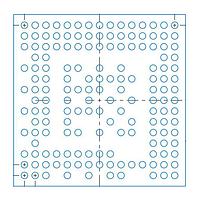
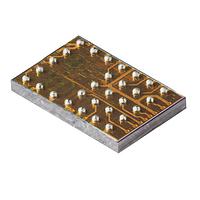
One representative product listed here is the Infineon BGT60LTR11AIPE6327XUMA2, an RF transceiver covering 61GHz to 61.5GHz, with 10dBm output capability, a 1.45V to 1.6V supply range, and a UF2BGA-42 package. This kind of device illustrates how the category extends beyond conventional low-frequency wireless parts into highly integrated millimeter-wave implementations for compact electronic systems.
For teams already standardizing around a specific semiconductor ecosystem, browsing the broader Infineon portfolio can be useful when comparing RF building blocks, interface compatibility, and overall platform fit. Other established manufacturers appearing in this category context include Analog Devices, Broadcom, Microchip, Murata, Nordic Semiconductor, and NXP, each relevant to different wireless design strategies and integration preferences.
How to choose the right RF transceiver
Selecting the right device starts with the operating frequency range and the system objective. A transceiver intended for high-frequency sensing will be evaluated differently from one used in a conventional wireless data link. Engineers typically review the required band, signal path architecture, output level, supply voltage, package style, and how the part interfaces with the rest of the design.
It is also important to consider what must sit around the transceiver. Some projects need additional modulation or demodulation stages, while others rely more heavily on clock generation, phase control, or identification technologies elsewhere in the system. Depending on the architecture, adjacent categories such as modulator / demodulator devices or NFC/RFID tags and transponders may be relevant for broader platform planning.
Key evaluation points for engineering and sourcing teams
From an engineering perspective, integration level is often one of the first things to review. A more integrated RF transceiver can reduce layout complexity, but the right choice still depends on thermal considerations, signal integrity, control interfaces, and the total number of supporting components required around the IC.
For procurement and B2B sourcing teams, package format, supply conditions, and long-term platform compatibility can be just as important as headline RF performance. In many projects, the best selection is not simply the most advanced part, but the one that aligns with production requirements, assembly capability, and the design team’s chosen RF architecture.
Finding the right fit for your application
This category is intended to support practical comparison across RF transceiver options used in wireless and high-frequency electronics. Whether the goal is compact system integration, millimeter-wave sensing, or a cleaner transmit/receive architecture, the right part should be assessed in the context of the full signal chain rather than as an isolated component.
By comparing available devices, reviewing manufacturer ecosystems, and considering related RF building blocks where needed, teams can narrow down parts that better match their electrical, mechanical, and application requirements. A careful selection process at this stage can help reduce redesign effort and lead to a more stable wireless system overall.
Get exclusive volume discounts, bulk pricing updates, and new product alerts delivered directly to your inbox.
By subscribing, you agree to our Terms of Service and Privacy Policy.
Direct access to our certified experts