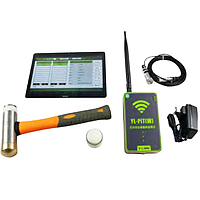
Concrete tester
Reliable concrete assessment often depends on using the right test method at the right stage of a project. In laboratories, precast plants, construction sites, and quality control workflows, instruments in the Concrete tester category support checks on moisture condition, sample preparation, curing, durability, and related material behavior. Choosing suitable equipment helps teams build a more consistent testing process rather than relying on isolated measurements.
This category sits within a broader material testing environment for concrete and related construction materials. It is especially relevant for users who need practical tools for specimen conditioning, moisture determination, screening, and supporting procedures around concrete and aggregate evaluation. Alongside direct testing instruments, the category also includes complementary laboratory equipment that contributes to more reliable preparation and analysis.
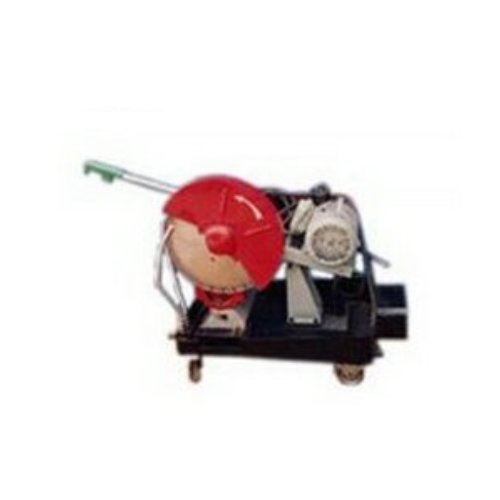
Where concrete testing equipment is commonly used
Concrete testing is not limited to compressive strength machines or field inspection tools. Many workflows also require equipment for sample conditioning, moisture measurement, drying, screening, and durability-related checks before or after the main test is performed. These steps are important because unstable sample condition can affect repeatability and make results harder to compare.
Typical users include civil engineering laboratories, ready-mix and precast facilities, research institutions, contractors, and inspection teams. Depending on the application, they may need a compact instrument for routine checks or larger laboratory systems for batch handling and controlled preparation.
Equipment types found in this category
The scope of this category can cover both direct concrete testing tools and supporting instruments used in material laboratories. For example, rapid moisture testers and moisture analyzers are relevant when verifying water-related conditions in aggregates or other test materials. Drying ovens help prepare samples under controlled temperature, while screen shakers support grading and separation processes used in laboratory routines.
Representative products in this range include the NL Scientific NL 1022 X / 008 Rapid Moisture Tester, the NL 1022 X / 003 Moisture Analyzer / Moisture Balance, and several laboratory drying ovens in different capacities. Equipment such as the NL 1018 X / 002 Screen Shaker and the NL 1021 X / 001 Slake Durability Apparatus also illustrates how this category supports broader concrete and materials testing workflows rather than a single measurement task.
Moisture measurement and sample preparation
Moisture control is a practical concern in concrete and aggregate testing because excess or insufficient moisture can influence sample mass, mixing behavior, and interpretation of results. Rapid moisture testers are useful when a fast indication is needed in routine laboratory or site-support work. In this category, examples include NL Scientific models with 25% and 50% moisture ranges, offering different gauge sensitivities depending on the expected material condition.
For applications requiring a more controlled heating-and-weighing process, a moisture analyzer can be the better fit. The NL 1022 X / 003 Moisture Analyzer / Moisture Balance combines weighing and thermal drying in one unit, which can be useful when laboratories need finer moisture resolution and a repeatable test routine. This makes it relevant for users comparing batches, verifying sample readiness, or standardizing pre-test preparation.
Drying ovens for controlled laboratory conditioning
Drying ovens play a supporting but important role in concrete and construction material laboratories. They are used to dry samples, condition materials before weighing, and maintain more stable preparation procedures. The listed NL Scientific ovens show a wide capacity range, from compact units such as the NL 1017 X / 007 digital drying oven to larger laboratory ovens like the NL 1017 SS / 004 and NL 1017 SS / 005.
When selecting an oven, buyers usually look at chamber capacity, temperature range, shelf layout, and power requirements. Smaller ovens may suit routine bench work or limited sample throughput, while larger models are more appropriate for laboratories handling multiple specimens or larger batch volumes. If your workflow also includes reinforcement inspection or concrete structure surveys, related categories such as cover meter and rebar detector tools can help extend testing capability beyond sample preparation.
Screening and durability-related testing
Concrete quality assessment often depends on more than one instrument. A screen shaker, for example, supports particle size separation and grading tasks that can affect mix evaluation and material characterization. The NL Scientific NL 1018 X / 002 Screen Shaker is a good example of equipment that fits into a concrete or aggregate laboratory process even though it is not a handheld field tester.
Durability-related tools are also relevant when evaluating how material responds to environmental exposure and mechanical action. The NL 1021 X / 001 Slake Durability Apparatus is one such example within the listed products. For users working on broader condition assessment of hardened concrete, categories such as ultrasonic pulse velocity equipment and permeability testing instruments may also be worth reviewing.
How to choose the right concrete tester for your application
Selection should begin with the actual task, not just the product name. If the goal is quick moisture indication for routine material checks, a rapid moisture tester may be more practical than a full moisture analyzer. If the workflow requires controlled drying and repeatable documentation, a moisture balance or drying oven may be the better choice. For grading or preparation steps, screening equipment becomes more relevant.
It is also useful to check specimen volume, required throughput, available installation space, and power supply. In B2B purchasing, consistency across multiple sites or labs can matter just as much as the capability of a single unit. Buyers often prefer to standardize on one platform or supplier family when they want easier operator training and more uniform procedures.
Manufacturers and solution coverage
This category includes brands commonly associated with material testing and laboratory equipment. Among the available manufacturers, NL Scientific is strongly represented in the featured products, particularly for moisture testing, drying ovens, screening, and durability-related lab instruments. Other manufacturers available in the broader range include Matest, Samyon, Ludatest, Tin Peng, and UNIT TEST.
From a sourcing perspective, this gives buyers flexibility when comparing laboratory setups, preferred build styles, and existing brand standardization within their organization. Rather than focusing only on one instrument, many users evaluate the overall testing ecosystem to make sure different devices can support the same quality control workflow.
Finding a practical fit for your lab or site workflow
A useful concrete testing setup is usually built around the sequence of work: receiving material, conditioning samples, measuring key properties, and documenting results. That is why this category includes equipment that supports both direct testing and the preparation steps behind dependable measurements. The right combination can improve repeatability, reduce handling variation, and make routine quality checks easier to manage.
If you are comparing options in this category, focus on the actual testing objective, expected sample load, and the level of control needed in your process. That approach makes it easier to identify whether a rapid moisture tester, moisture analyzer, drying oven, screen shaker, or other supporting instrument is the most suitable addition to your concrete testing workflow.
Get exclusive volume discounts, bulk pricing updates, and new product alerts delivered directly to your inbox.
By subscribing, you agree to our Terms of Service and Privacy Policy.
Direct access to our certified experts