Pneumatic Tools
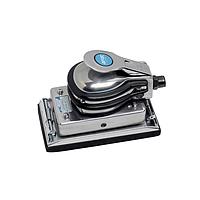
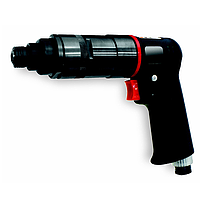
Compressed-air equipment remains a practical choice in many factories, maintenance workshops, body shops, and production lines where durability, repeatable output, and continuous operation matter. This category brings together Pneumatic Tools used for fastening, surface preparation, finishing, cleaning, and general assembly tasks, helping buyers compare the right air-driven solution for each work environment.
For B2B purchasing, the key is not just selecting a tool type, but matching the tool to the available air supply, duty cycle, application method, and operator workflow. From sanding and spray applications to nailers, riveters, and compressors, pneumatic systems are often chosen where stable performance and workshop integration are important.
Where pneumatic tools fit in industrial work
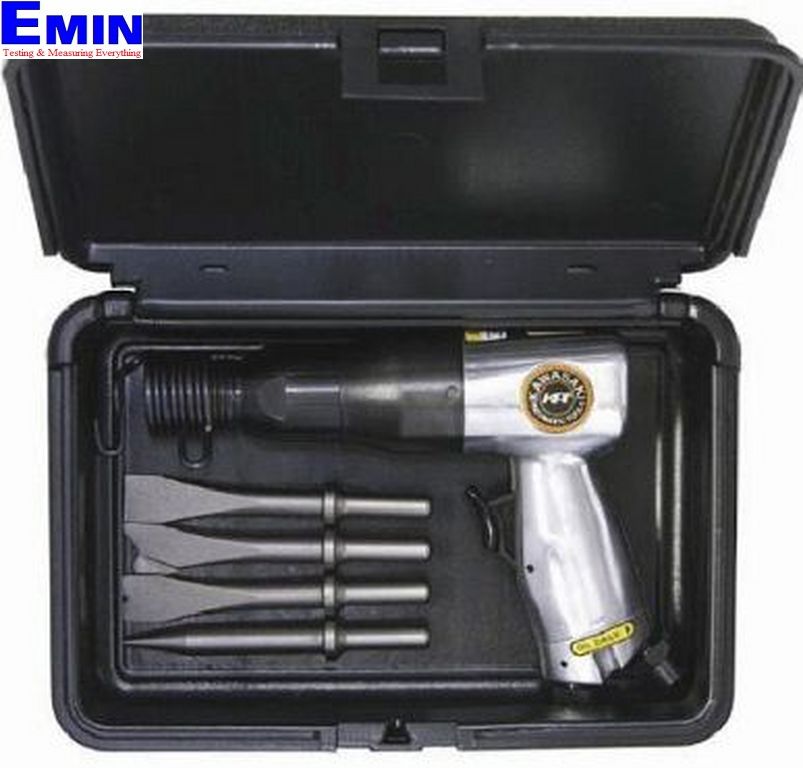
Air-powered tools are commonly used in manufacturing, metalworking, automotive refinishing, furniture production, packaging, and maintenance operations. Their role can vary from precision finishing to repetitive fastening, depending on the process and the supporting compressed-air infrastructure.
In practical terms, these tools are often selected for jobs that require consistent operation, lower heat build-up at the tool, and reliable use over long shifts. They also integrate well with established workshop air systems, especially where multiple stations need access to the same utility source.
Typical equipment found in this category
This category covers a broad pneumatic ecosystem rather than a single tool family. Buyers may be looking for sanding and polishing equipment, spray-related accessories, nailing and stapling tools, needle scalers for surface treatment, riveters for assembly work, and supporting air supply equipment such as compressors and air treatment components.
For users comparing alternative technologies, it can also be useful to review related power hand tool options, especially when deciding between cordless portability and air-driven operation. In many workshops, both systems coexist, with pneumatic tools used for high-frequency tasks and electric tools used where mobility is more important.
Examples of products used in real workflows
Some products in this range help illustrate how pneumatic tools are applied on the shop floor. For surface finishing, the 3M P120 Abrasive Disc and 3M P800 Abrasive Disc are typical consumables used in different sanding stages, from more aggressive stock removal to finer finishing work. These items are part of the wider sanding process and are often paired with air sanders in body repair, woodworking, and metal finishing.
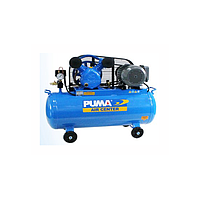
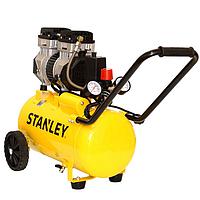
In fastening applications, the MAKITA AF504Z Pin Nailer is relevant for light assembly and trim work where controlled fastening is required. For compressed-air infrastructure, the Hyundai AH-2524 Air compressor represents the supply side of the system, reminding buyers that tool performance depends heavily on available pressure, flow, and tank capacity rather than on tool selection alone.
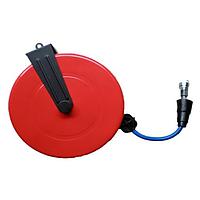
Surface preparation is another common use case. The NITTO KOHKI EJC-32A Electric Needle Scaler is not itself pneumatic, but it reflects the same maintenance and preparation workflow often associated with needle scaling tasks in industrial environments. Likewise, the Anest Iwata PHU-6100 Paint Hose highlights the importance of hoses and accessories in spray-related setups, where air delivery quality can directly affect finish consistency.
How to choose the right pneumatic tool
The first consideration is the application: sanding, grinding, fastening, riveting, spraying, or cleaning all place different demands on the tool and the air system. A buyer specifying equipment for an assembly line will assess different criteria from a user equipping a maintenance bay or a paint preparation area.
The second factor is air requirement matching. Pressure rating alone is not enough; flow demand, hose diameter, fittings, and line length also influence performance. A tool may appear suitable on paper but still underperform if the compressor or air distribution network cannot maintain stable supply during peak use.
It is also important to think about ergonomics and duty cycle. Compact tools may be preferred for bench work or confined spaces, while heavier-duty units are often selected for repetitive production use. When comparing options, consider trigger control, vibration exposure, maintenance access, and whether the tool will be used intermittently or across full shifts.
The importance of air supply and supporting accessories
A pneumatic setup performs only as well as its supporting components. Compressors, hoses, couplings, air treatment, and tool balancers all affect reliability, safety, and productivity. If the compressed air contains excess moisture or pressure fluctuation, finishing quality and tool life can both suffer.
For this reason, buyers often evaluate the wider system rather than the tool alone. A workshop adding new pneumatic stations may also need to review assembly tools for related fastening workflows or supporting hand-tool processes. This broader view is especially useful in production environments where uptime and process consistency are priorities.
Manufacturer selection and brand context
This category includes well-known industrial brands with different strengths across consumables, spray applications, air accessories, and workshop equipment. Examples from the current range include Anest Iwata for paint-related accessories, MAKITA for fastening tools, Hyundai for compressor equipment, and NITTO KOHKI for maintenance-oriented surface treatment applications.
Brand should be considered in the context of application support, availability of compatible accessories, and long-term serviceability. In B2B sourcing, the best fit is usually the one that aligns with the plant’s existing workflow, spare-part strategy, and operating conditions rather than simply choosing the widest model range.
Common purchasing considerations for B2B buyers
Procurement teams and technical users usually compare pneumatic tools based on standardization, operating cost, and expected utilization. In multi-station environments, compatibility with existing air lines and fittings can reduce installation friction and simplify maintenance planning.
Another important point is consumable and accessory availability. Sanding discs, paint hoses, fasteners, and replacement wear parts all influence the total cost of operation. Buyers working across mechanical and maintenance functions may also find it useful to compare adjacent categories such as bearing tools when planning a broader tooling package for workshops or production support teams.
Choosing with the full process in mind
Pneumatic tools are most effective when selected as part of a complete process: air generation, air preparation, delivery, tool performance, and consumable compatibility all need to work together. Whether the task is fastening, sanding, spraying, or surface preparation, the right choice depends on the real operating environment as much as on the tool specification.
By reviewing application needs, air system capacity, and accessory requirements together, buyers can narrow down the most suitable products in this category with greater confidence. A well-matched pneumatic setup supports safer operation, steadier output, and a more efficient industrial workflow over time.
Get exclusive volume discounts, bulk pricing updates, and new product alerts delivered directly to your inbox.
By subscribing, you agree to our Terms of Service and Privacy Policy.
Direct access to our certified experts