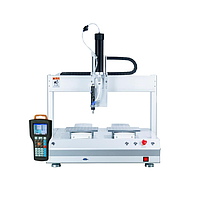
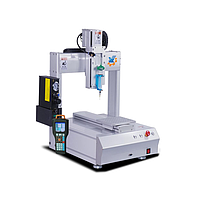
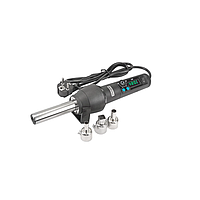
Soldering, remove, assemble electronic circuit, SMT
Reliable soldering and rework tools make a visible difference in PCB assembly quality, rework speed, and operator consistency. Whether the job involves hand soldering fine-pitch components, replacing damaged parts, feeding solder wire efficiently, or supporting SMT rework, the right setup helps reduce thermal stress, improve joint quality, and keep production or repair work under control.
This category brings together soldering, removal, assembly electronic circuit, SMT equipment used across electronics manufacturing, maintenance, prototype labs, and service environments. It covers core hand tools, stations, tips, accessories, and supporting devices that fit into a broader electronics assembly workflow, from manual bench work to process-oriented SMT handling.
Where these tools fit in electronics assembly and rework
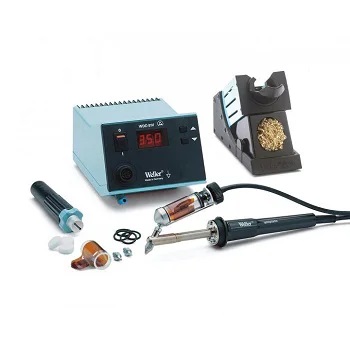
In practical use, this category supports several tasks: creating new solder joints, removing components, reworking assembled boards, handling localized heat application, and preparing boards for repair or modification. For SMT and mixed-technology assemblies, process control at the hand-tool level is especially important because pads, traces, and components can be sensitive to excessive heat or inconsistent technique.
A complete setup often includes a station or handpiece, a suitable tip geometry, consumables, and supporting equipment around the workstation. Teams that also rely on mechanical fastening or production support tools may compare requirements with related categories such as assembly tools or broader power hand tools when planning a bench or maintenance area.
Key product groups commonly selected in this category
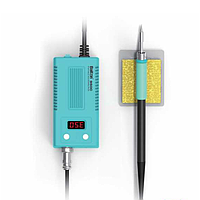
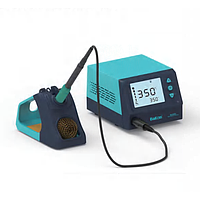
One of the main buying considerations is whether the application centers on precision soldering, general repair, or repetitive production work. A station such as the HAKKO FX951-55 is relevant for controlled bench soldering where stable temperature and repeatable performance matter. For users who need a dedicated iron set within a compatible system, the HAKKO FM-2026 24V/70W SOLDERING IRON SET is an example of a handpiece-focused option for electronics work.
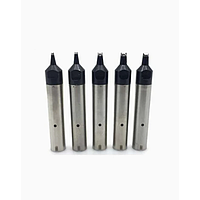
Tip selection is equally important because geometry directly affects heat transfer and accessibility. Products such as HAKKO T18-C3, HAKKO T18-D08, HAKKO T12-WD12, HAKKO T12-D12, HAKKO T12-KU, and HAKKO 900M-T-I illustrate how different tip profiles serve different joint sizes, pad shapes, and access conditions. Rather than treating tips as minor accessories, buyers should see them as a major factor in process quality.
For repetitive feeding applications, the HAKKO 374 self feeder helps support solder delivery consistency. In heavier hand-soldering scenarios, the HAKKO 585GP-V23 soldering gun represents another form factor that may suit specific repair or wiring tasks better than a fine electronics iron.
How to choose the right soldering and SMT tools
The best selection process starts with the board type and task frequency. Fine SMT rework, connector replacement, cable termination, and through-hole repair all place different demands on the tool. In electronics work, temperature control, handpiece ergonomics, compatible tip series, and the ability to maintain stable thermal performance during continuous use are usually more important than headline wattage alone.
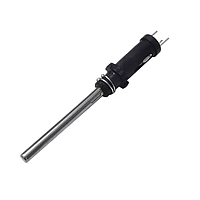
It is also useful to think in terms of the full tool ecosystem. A station may perform well only when paired with the correct tips, holders, consumables, and replacement parts. For example, a spare part such as the HAKKO A5007 heating element assembly for FR-810B shows why maintenance support matters in professional environments where uptime and repairability influence total operating cost.
Where adhesive application or material dispensing is part of the same process area, some users may also review solutions from Milwaukee (tool) for adjacent bench tasks, although electronics soldering itself usually requires more specialized thermal tools and accessories.
Why tip shape and compatibility matter
A soldering system is only as versatile as its tip selection. Broad chisel profiles can improve heat transfer on larger joints, while narrow or pointed profiles help with access on compact assemblies. The choice is not simply about reaching the pad; it also affects dwell time, solder flow, and the risk of overheating neighboring components.
This is why buyers often standardize around a known platform and then build a practical mix of replacement tips around actual production needs. Tip series shown in this category demonstrate the importance of compatibility with specific irons or stations. Selecting the wrong shape or unsupported series can reduce process efficiency even when the base station itself is suitable.
Manufacturers and solution ecosystems
Among the featured brands, HAKKO stands out in this category because the representative products span stations, iron sets, feeding equipment, replacement tips, and service parts. That range is useful for buyers who want consistency across training, maintenance, and consumable management rather than mixing unrelated systems at random.
Other listed manufacturers such as BOSCH, Fuji, Heraeus, Nordson, MAKITA, METABO, SATA, Honda, and Milwaukee (tool) provide broader industrial context across tools and process support. Depending on the application, some buyers may be equipping a repair bench, while others are building out a more complete production-support environment that includes hand tools, dispensing, and adjacent equipment.
Typical application scenarios
These products are commonly used in electronics repair centers, SMT production support, prototyping labs, maintenance workshops, and quality rework stations. A temperature-stable station and the correct tip can make routine soldering of connectors, wires, pads, and replacement components more predictable, especially where boards vary from fine-pitch assemblies to larger through-hole joints.
For rework-driven operations, tools in this category also support component removal and localized repair without replacing the entire assembly. In high-mix environments, having access to different tip shapes, feeder options, and maintainable handpieces helps operators adapt more quickly to varied board designs and changing job requirements.
Facilities that combine electronics work with compressed-air tooling on the same floor may also compare support requirements with pneumatic tools, especially when organizing maintenance areas or multi-process workstations.
What to review before placing an order
Before choosing a product, it helps to verify four basics: the intended task, required tip or accessory compatibility, operating temperature range, and whether the item is a main tool, replacement part, or consumable. This is particularly important in categories where stations, irons, tips, and heater assemblies are closely related but not interchangeable by default.
Buyers should also consider long-term usability: replacement availability, standardization across benches, and ease of operator training. A well-matched system usually delivers better consistency than a mixed setup built around convenience alone. For B2B purchasing, that means looking beyond a single item and evaluating how each tool fits into the wider soldering and SMT workflow.
Supporting consistent PCB work
From precision stations and iron sets to feeder units, soldering guns, replacement heaters, and tip series, this category supports the day-to-day realities of electronics assembly and rework. The most effective choice depends on joint size, board sensitivity, task repetition, and how much flexibility the workstation needs.
If you are building or upgrading an electronics bench, focus on a balanced combination of station performance, tip selection, maintainability, and workflow fit. That approach makes it easier to create a soldering setup that supports reliable PCB assembly, cleaner rework, and more efficient SMT operations over time.
Get exclusive volume discounts, bulk pricing updates, and new product alerts delivered directly to your inbox.
By subscribing, you agree to our Terms of Service and Privacy Policy.
Direct access to our certified experts