Anti-Static, ESD Clothing
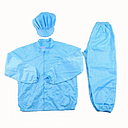
Protective apparel plays a critical role wherever electrostatic discharge control, particle management, and operator safety need to work together. In electronics assembly, laboratories, medical support areas, and controlled production spaces, choosing the right garments helps reduce contamination risk while supporting a more stable working environment. This is where Anti-Static, ESD Clothing becomes an essential part of the broader cleanroom and ESD workflow.
This category focuses on wearable protection used to limit static buildup and support cleaner handling conditions. Depending on the task, that may include garments for general cleanroom use, gloves for product handling, or disposable and sterile options for more controlled processes. The right selection depends on the balance between comfort, dexterity, coverage, and the level of environmental control required.
Why ESD clothing matters in controlled environments
Static electricity may seem minor, but in many technical environments it can lead to product damage, process instability, or handling issues that are difficult to trace. Proper ESD protection helps reduce electrostatic charge generation on the body and clothing, which is especially important when operators work around sensitive electronic assemblies or precision components.
At the same time, cleanroom apparel is also used to help control fibers, particles, and incidental contamination from personnel. For that reason, anti-static clothing is often selected not only for electronics production but also for laboratory support, inspection areas, and other spaces where cleaner handling practices are required. In workflows that need broader environmental control, equipment such as air shower systems may be considered alongside operator garments.
Typical product types within this category
This category covers wearable items used as part of an ESD-safe or cleanroom-ready setup. In practice, users may need full-body apparel, hand protection, head covering, footwear, or task-specific accessories depending on the process and the cleanliness level being maintained.
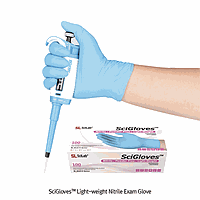
Gloves are one of the most frequently selected items because they directly affect handling quality, touch sensitivity, and surface protection. This is especially relevant in assembly, inspection, and packaging operations where operators need both dexterity and reliable barrier performance. If your process also requires cleaner work surfaces and maintenance tools, related items such as cleanroom dustcloths and mops can complement the apparel strategy.
Materials, coverage, and task suitability
Different materials serve different needs. Nitrile and latex gloves, for example, are commonly chosen based on tactile feel, chemical compatibility, fit, and whether sterile use is required. Long-cuff designs can provide additional wrist and forearm coverage, while textured surfaces may improve grip during handling.
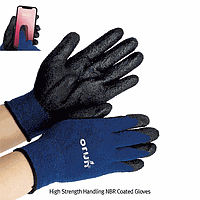
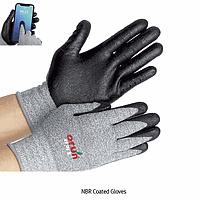
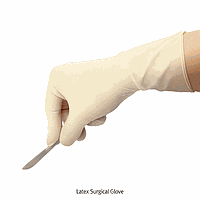
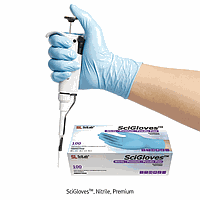
Within the listed products, DaiHan examples illustrate these differences clearly. Models such as the DaiHan SL.Glo6091, SL.Glo6093, and SL.Glo6095 represent nitrile, powder-free, long-cuff glove options across multiple sizes, while the DaiHan DM.Glo6001, DM.Glo6002, and DM.Glo6003 surgical gloves are sterile latex options suited to applications that require a more controlled barrier. For general functional handling, coated gloves such as the DaiHan SL.Glo6717 or SL.Glo6733 may be relevant where grip and durability are part of the requirement.
How to choose anti-static clothing for your process
A practical selection process starts with the application rather than the product name. Consider whether the priority is electrostatic control, cleanliness, splash or contact protection, operator comfort over long shifts, or compatibility with delicate parts. In many facilities, a combination of garments is needed rather than a single item.
It is also useful to define the level of coverage required. Some tasks only need disposable hand protection, while others call for a more complete apparel system that includes outerwear, masks, caps, and footwear. Where personnel work near controlled airflow stations, related equipment such as a clean bench may shape the clothing choice by influencing cleanliness expectations and operator movement.
Size consistency is another important factor. Gloves that are too tight can reduce comfort and increase fatigue, while oversized items may affect grip and handling precision. Looking at available size ranges within the category can help standardize PPE allocation across teams and shifts.
Brand options and product ecosystem
This category may include solutions from established manufacturers such as Ansell, 3M, DuPont, KleenGuard, ASONE, Desco, ANTISTAT, and DaiHan. Each brand is commonly associated with protective and controlled-environment products, but the best fit still depends on the operating task, cleanliness target, and user preference.
DaiHan is particularly visible in the current product selection, with examples ranging from nitrile exam gloves to sterile surgical gloves and functional coated gloves for handling work. That makes it easier for buyers to compare options by cuff style, material family, and intended use without stepping outside the same supplier ecosystem. For procurement teams, this can simplify standardization and replenishment planning.
Common use cases in industry and laboratory settings
Anti-static clothing is often selected for electronics manufacturing, PCB assembly, precision component handling, laboratory support tasks, and clean packaging processes. In these environments, the goal is usually to reduce the transfer of contaminants while also lowering the chance of electrostatic discharge affecting parts or test results.
In healthcare-adjacent or sterile support workflows, glove selection becomes even more application-specific. Powder-free and sterile options may be preferred for controlled contact tasks, while more durable coated gloves may be used for handling materials, tools, or equipment. The expected contact surface, change frequency, and comfort during repetitive motion all influence the final choice.
Building a more complete ESD and cleanroom setup
Clothing works best when it is treated as part of a broader control system. Garments, gloves, masks, footwear, and cleaning practices should align with the handling risk and the working environment. For higher-control areas, facilities may also combine personnel apparel with containment or airflow equipment such as biological safety cabinets or ventilation chambers, depending on the nature of the work.
When reviewing this category, it helps to think in terms of the full operator pathway: entry into the area, gowning procedure, task execution, and disposal or replacement frequency. That approach makes it easier to identify whether you need disposable gloves only, a repeat-use ESD garment program, or a more complete cleanroom apparel setup.
Final considerations before ordering
The right clothing choice supports product protection, worker practicality, and cleaner process control at the same time. Instead of focusing only on one specification, compare material type, fit, cuff length, sterility needs, and the type of environment where the item will be used. Even within gloves alone, those factors can significantly affect day-to-day performance.
By reviewing the available range in this category, buyers can better match apparel to real operating conditions rather than choosing a generic option. A well-planned cleanroom apparel and ESD clothing setup helps create a more consistent workflow, supports compliance with internal handling practices, and reduces avoidable risk in sensitive environments.
Get exclusive volume discounts, bulk pricing updates, and new product alerts delivered directly to your inbox.
By subscribing, you agree to our Terms of Service and Privacy Policy.
Direct access to our certified experts