Audio Devices
Clear acoustic capture and reliable sound output are essential in everything from embedded electronics and operator interfaces to industrial monitoring and smart connected devices. Choosing the right Audio Devices category parts helps engineers balance size, sensitivity, signal quality, integration effort, and long-term performance in real-world environments.
This category brings together key audio-related components used to detect, process, or reproduce sound within electronic systems. Whether the goal is voice pickup, ultrasonic sensing support, or compact audio input for embedded designs, the selection typically depends on the application’s frequency range, mechanical constraints, and interface requirements.
Where audio devices fit in modern electronic design
Audio components are widely used beyond conventional consumer products. In B2B and industrial contexts, they appear in control panels, handheld instruments, communication equipment, smart appliances, alarm systems, kiosks, and edge devices that need acoustic input or output as part of a broader electromechanical system.
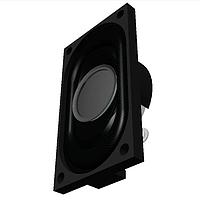
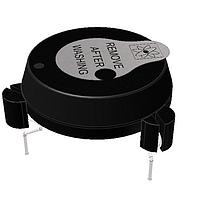
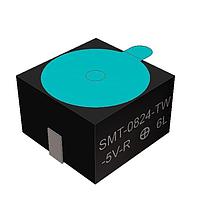
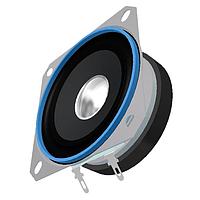
Within this category, the main focus is on components such as microphones, MEMS-based audio parts, and speakers or transducers. These devices are often selected alongside complementary control and switching elements such as relays, contactors, and solenoids when building complete machine or device assemblies.
Key product groups in the category
Microphones are typically chosen when a design needs voice capture, ambient sound detection, acoustic event monitoring, or signal acquisition for digital processing. Depending on the design target, engineers may prioritize compact package size, stable sensitivity, low power consumption, or ease of PCB integration.
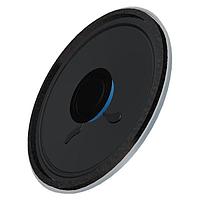
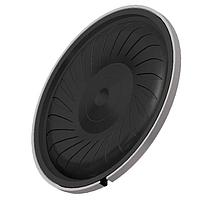
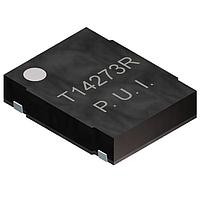
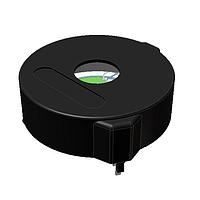
MEMS audio devices are especially relevant for compact and highly integrated electronics. Their small footprint makes them suitable for space-constrained designs, while their structure often supports repeatable performance in modern assembly processes. In parallel, speakers and transducers serve output and signaling roles, from audible feedback to specialized acoustic emission.
Examples from leading manufacturers
This category includes solutions from recognized manufacturers such as Knowles and Analog Devices, both of which are well known in embedded audio and sensing applications. Their presence is useful for buyers looking for established component families with broad design relevance.
Representative products include the Analog Devices ADMP404ACEZ-RL Microphone, which is a compact microphone option for space-sensitive electronics, as well as several Knowles parts such as SPM0406HE3H-SB-6, SPU0410LR5H, SPM0408HD5H, and SPM0208HD5. The Knowles SPM0404UD5 Ultrasonic sensors is also notable in contexts where acoustic sensing extends beyond standard audible-range pickup.
How to choose the right audio device
The first step is to define the acoustic task clearly. A device intended for speech input has different priorities from one used for acoustic detection, ultrasonic response, or simple alert output. Engineers should consider whether the design needs audio capture, sound reproduction, or a transducer role within a sensing subsystem.
Mechanical size is another major factor. Compact assemblies may require very small surface-mount parts, while larger housings can allow more flexibility. For example, the listed Analog Devices ADMP404ACEZ-RL Microphone includes a compact form factor and a stated frequency range of 100 to 15000Hz, making it relevant when physical constraints and target signal bandwidth matter during selection.
Electrical integration also matters. Designers should evaluate signal chain compatibility, mounting style, interface expectations, and the surrounding PCB environment. In systems that include operator hardware, enclosure parts, or mounting supports, related categories such as hardware components may also influence the final implementation.
Application considerations for B2B buyers
For OEMs, system integrators, and maintenance teams, component selection is rarely just about the individual part. The real question is how the audio device performs inside the complete assembly. Factors such as enclosure acoustics, placement, vibration exposure, and nearby electromechanical components can affect practical results even when the base component is technically suitable.
In industrial and professional equipment, audio devices may support voice interaction, event detection, operator feedback, or condition-based monitoring. Ultrasonic-capable or specialized acoustic components can also play a role in sensing architectures where non-contact or frequency-specific detection is required. That is why buyers often review both the acoustic function and the broader system environment before standardizing on a part family.
Why manufacturer ecosystem matters
Working with established suppliers can simplify sourcing and design continuity. Brands such as Knowles and Analog Devices are often considered when teams want familiar documentation ecosystems, recognized product lines, and components suited to embedded electronic development.
Depending on the project, buyers may also compare audio-related options from other technology-focused manufacturers in the wider catalog, including Adafruit for development-oriented ecosystems. This can be useful during prototyping, evaluation, or educational and low-volume integration workflows, although final selection should still be based on actual design requirements and qualification criteria.
Building a practical shortlist
A good shortlist usually starts with three questions: what sound needs to be captured or produced, how much space is available, and what level of integration complexity is acceptable. From there, buyers can narrow options by package size, intended acoustic role, and the needs of the host device.
For compact microphone implementations, parts such as Knowles SPV08A0LR5H-1, Knowles SPM0204HD5, Knowles SPM0423HD4H-WB-2, and Knowles EA-21842-000 can serve as useful reference points within the catalog. Rather than comparing only by name or brand, it is more effective to evaluate how each device fits the mechanical, acoustic, and production constraints of the project.
Final thoughts
Audio components are often small parts with a large influence on user experience, sensing quality, and system functionality. A well-matched selection can improve signal capture, simplify integration, and support more reliable operation across embedded and electromechanical applications.
When reviewing this category, focus on the intended acoustic function, package constraints, and the broader device architecture. That approach makes it easier to identify audio devices that fit not only the schematic, but also the real operating conditions of the finished product.
Get exclusive volume discounts, bulk pricing updates, and new product alerts delivered directly to your inbox.
By subscribing, you agree to our Terms of Service and Privacy Policy.
Direct access to our certified experts