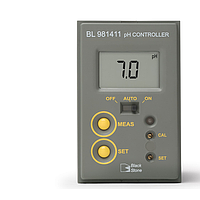
Controller
Maintaining stable operation across industrial processes often depends on how well signals, power, and machine conditions are managed in real time. In that context, controllers play a central role: they help regulate outputs, respond to process changes, and support safer, more consistent equipment performance across manufacturing, utilities, and facility systems.
On this page, the Controller category brings together devices used for monitoring and control in different application scenarios, from power regulation to vibration-based condition monitoring and liquid level switching. Rather than treating every controller as the same type of device, it is more useful to evaluate them by control objective, operating environment, electrical interface, and how they fit into the wider process control and monitoring architecture.
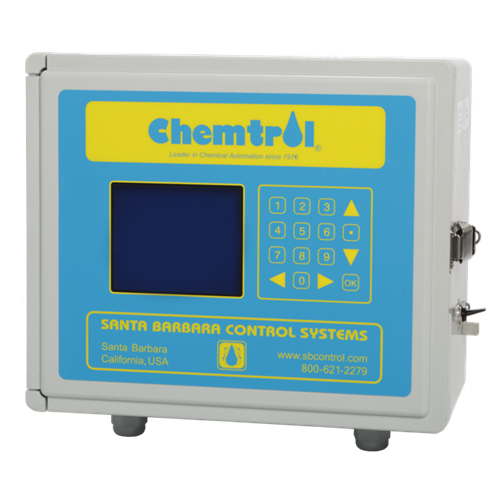
Where controller systems are used
Industrial controller solutions are found wherever a process variable must be monitored and translated into a reliable action. That may involve controlling power delivered to a heating load, switching based on liquid level, or generating an alarm/output when abnormal vibration is detected on rotating equipment. In practice, these functions support process continuity, equipment protection, and repeatable operating conditions.
Because application requirements vary widely, buyers usually need to think beyond a generic “controller” label. Some installations prioritize fast switching and electrical load handling, while others need compact field-mounted sensing, enclosure protection, or compatibility with harsh media and industrial washdown conditions.
Typical controller types in this category
This category covers a practical mix of control devices rather than a single product family. For example, power controllers are used to regulate electrical energy supplied to heaters and other loads, helping improve process stability in thermal applications. At the same time, compact monitoring switches can be used to trigger outputs when measured conditions cross a threshold.
Examples from this category illustrate that range clearly. The Dwyer DPL110 Dual Point Level Switch is intended for liquid monitoring in applications such as food, pharma, and sewage, while the Dwyer VBS-1 and VBS-2 compact vibration switches are designed for RMS monitoring with adjustable set point and delay. In the power control segment, Advanced Energy Thyro-A and Thyro-S series models are representative of digital thyristor and SCR-based control solutions used where controlled electrical power delivery is critical.
Selection factors that matter in real projects
Choosing the right controller starts with the controlled variable. For liquid systems, media compatibility, probe format, pressure limits, mounting method, and enclosure protection can all affect long-term suitability. For machine protection or condition-based switching, users often compare measurement range, delay settings, output type, and connection style to ensure compatibility with PLCs, alarm circuits, or supervisory systems.
Electrical requirements are just as important. Depending on the device, you may need to match supply voltage, output signal type, switching rating, and mounting format with the rest of the panel or field installation. In higher-power applications, it is especially important to evaluate whether a controller is intended for single-phase or 3-phase use, and whether the control method aligns with the load and thermal process behavior.
In many systems, the controller is only one part of the signal chain. If you are also evaluating readout or display hardware, related options in meters and indicators may help complete the overall monitoring setup.
Control logic in vibration, level, and power applications
Although these products serve different industries, the basic logic is similar: a measured condition is converted into a usable control response. In a level application, the controller or switch reacts when liquid reaches defined points. In a vibration application, the device can provide an analog output or switching response when machine movement reaches a threshold associated with abnormal operation.
In power regulation, the controller manages how electrical energy is delivered to the load. This is common in heating processes where stable output, reduced stress on equipment, and repeatable control behavior are all important. Systems of this type are often integrated with a broader monitoring environment or plant control strategy, especially where machine condition and process performance need to be reviewed together.
Representative manufacturers and product direction
Among the brands visible in this category, Advanced Energy stands out for power control solutions such as Thyro-A, Thyro-A+, and Thyro-S models. These products are relevant for applications that need digital thyristor switching or SCR-based power control, including installations with specific voltage ranges, panel or chassis mounting preferences, and industrial communication or service access requirements such as USB interfaces.
Dwyer is also relevant here for compact process and condition-monitoring devices. The DPL110 dual point level switch highlights the role of controller-related devices in liquid systems, while the VBS series shows how a compact vibration switch can support machine monitoring with rugged enclosure protection and industrial output signaling. Together, these examples show that the category supports both panel-centered control and field-level sensing with switching functionality.
How to evaluate integration and installation needs
Before selecting a device, it helps to map the full installation path: sensing point, mounting location, electrical supply, output destination, and maintenance access. A controller that looks suitable on paper may still create challenges if its connection type, environmental rating, or mechanical format does not fit the application layout.
Integration planning should also include the surrounding hardware. Depending on the project, you may need compatible panel components, sockets, DIN rail mounting, field connectors, or supporting items from control and monitoring accessories. Thinking about the controller as part of a system rather than a standalone item usually leads to a more reliable implementation.
Finding the right controller for your process
The most effective way to compare controllers is to start with the process objective: regulate power, monitor machine condition, or trigger switching based on level or another measured state. From there, narrow the shortlist by output type, environmental protection, mounting style, electrical compatibility, and expected operating range. This makes it easier to distinguish between products that may share a category but serve very different technical purposes.
Whether you are specifying a compact vibration switch, a liquid level control device, or an industrial power controller, the right choice depends on matching the device to the actual control task and installation conditions. A well-selected controller supports better process visibility, more stable operation, and smoother integration into the broader control and monitoring system.
Get exclusive volume discounts, bulk pricing updates, and new product alerts delivered directly to your inbox.
By subscribing, you agree to our Terms of Service and Privacy Policy.
Direct access to our certified experts