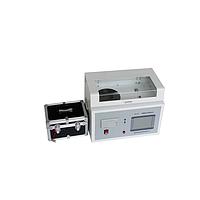
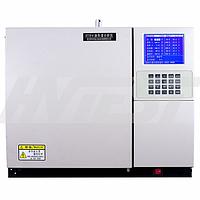
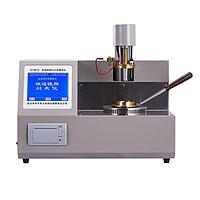
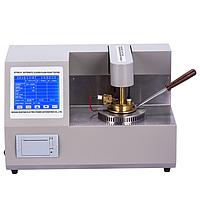
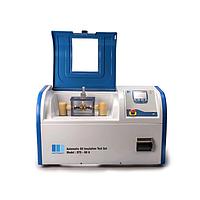
Oil test equipment
Reliable insulation diagnostics often start with the condition of the oil itself. In transformers and other high-voltage assets, insulating oil does more than fill space—it supports dielectric strength, helps transfer heat, and can reveal early signs of aging, contamination, or internal faults. That is why oil test equipment plays a central role in preventive maintenance, commissioning, and laboratory analysis across utility, industrial, and service environments.
This category brings together instruments used to assess key oil parameters such as breakdown voltage, moisture, tan delta, corrosive sulphur, sampling quality, and related chemical indicators. Whether the goal is routine field testing or deeper condition assessment, selecting the right test method helps maintenance teams make better decisions about oil treatment, replacement, or further electrical testing.
Why oil analysis matters in electrical maintenance
Insulating oil condition has a direct impact on equipment reliability. Moisture, particles, oxidation by-products, and chemical contamination can reduce dielectric performance and accelerate insulation degradation. In practice, oil testing is often used to identify problems before they become visible through failure, outage, or abnormal operating behavior.
For maintenance teams, this means oil analysis is not a standalone activity but part of a wider diagnostic workflow. Results from oil testing may be evaluated alongside capacitance and tan delta measurement, withstand testing, or other insulation checks to build a clearer picture of asset condition.
Common test types covered in this category
This category includes instruments for several important oil quality assessments. Breakdown voltage testing is one of the most widely used methods, helping determine how well insulating oil can resist electrical stress. It is commonly applied in transformer maintenance, oil acceptance checks, and service verification after filtration or regeneration.
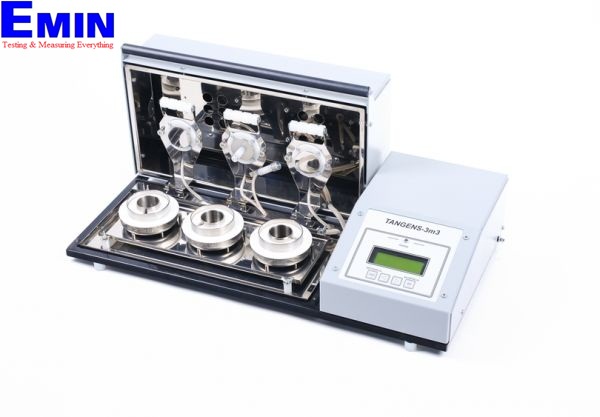
Moisture measurement is equally important because dissolved water can significantly affect insulation strength and paper aging. For more advanced evaluation, tan delta and dielectric constant testing can indicate contamination, oxidation, or changes in insulating characteristics. In some applications, corrosive sulphur detection and chlorine-related analysis are also relevant when chemical compatibility and long-term equipment protection are a concern.
Representative instruments and their role
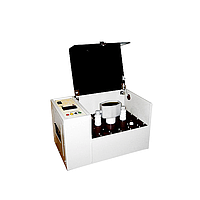
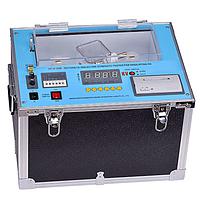
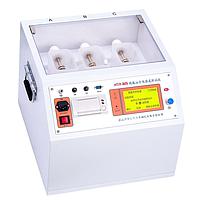
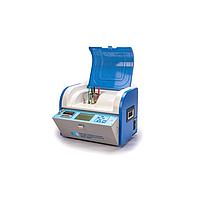
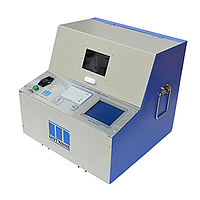
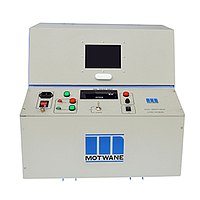
Several products in this range illustrate how different test tasks fit into one maintenance ecosystem. The MultiTech MTH-OBDV-80 and MultiTech MTH-OBDV-100 are designed for transformer oil breakdown testing, supporting routine dielectric strength checks at different voltage ranges. For users who need portable operation with battery support, the GlobeCore TOR-80A offers another approach to breakdown voltage measurement in field or workshop conditions.
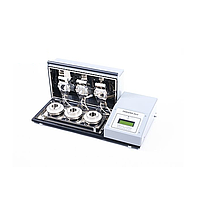
When moisture is the main concern, the GlobeCore TOR-1MS and TOR-1MD focus on oil water activity and dissolved moisture indication, while the GlobeCore TOR-2 extends monitoring capability to hydrogen and moisture together. For dielectric loss analysis, the GlobeCore TOR-3 is relevant where tan delta evaluation is part of a broader insulation diagnostic program.
Sampling and preparation are just as important as the test itself. The WGM DÖPEV Oil Sampling Kit supports controlled oil collection, and the WGM ÖPEV-k Oil Drain Device for Transformers helps with handling oil safely during service procedures. For specialized chemical checks, the WGM CS 100 Corrosive-Sulphur Detection Kit and the Samyon 0253B Coulometric Chlorine Analyzer address applications where contamination and chemical composition need closer attention.
How to choose the right oil test equipment
The right choice depends first on the actual maintenance objective. If the requirement is fast routine screening, a breakdown voltage tester may be the primary instrument. If the goal is to understand insulation aging mechanisms more deeply, users may need to combine moisture analysis, tan delta measurement, and targeted chemical tests rather than rely on one result alone.
It is also useful to consider where the instrument will be used. Field teams often prioritize portability, battery operation, straightforward setup, and integrated reporting. Laboratory or workshop users may place more emphasis on measurement range, repeatability, sample handling, and compatibility with established testing procedures.
Another practical factor is the workflow around the instrument. Good oil diagnostics depend on proper sampling, contamination control, stable test conditions, and consistent test routines. In many cases, investing in suitable sampling accessories is just as important as selecting the analyzer itself.
Brands commonly selected for oil diagnostics
This category includes solutions associated with manufacturers such as GlobeCore, MultiTech, WGM, and Samyon, each represented here through different parts of the oil testing process. Some focus on electrical characteristics of the oil, while others support sampling, chemical analysis, or moisture-related diagnostics.
Brand selection in this area is usually driven less by name alone and more by test method, operating environment, and the level of diagnostic detail required. A utility maintenance team may need robust field equipment for repetitive checks, while service companies and laboratories may require a wider set of instruments that cover multiple oil quality indicators.
Oil testing within a broader high-voltage test strategy
Oil condition results are most valuable when interpreted together with the wider status of the electrical asset. A low breakdown voltage result may point to moisture or contamination, but maintenance decisions often become more reliable when combined with complementary tests on insulation systems, cables, or transformer components.
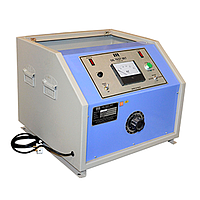
Depending on the application, users may also work alongside withstand voltage test equipment or a high-voltage step-up transformer as part of commissioning and verification procedures. In that sense, oil test equipment supports not only fluid analysis but also a more complete asset assessment strategy.
Typical application areas
Oil testing instruments are used across transformer manufacturing, utility substations, industrial power distribution, maintenance contractors, repair workshops, and test laboratories. They are relevant during incoming inspection, scheduled maintenance, post-repair verification, and condition-based monitoring programs.
Different users may focus on different indicators. A service team responsible for on-site transformer health checks may prioritize breakdown voltage and moisture, while a laboratory may include corrosive sulphur or chlorine-related analysis in a more detailed investigative workflow. This variety is why the category includes both core testers and supporting sampling tools.
Finding the right fit for your testing workflow
Choosing oil test equipment is ultimately about matching the instrument to the maintenance question you need to answer. Some applications require a simple pass/fail indication for dielectric strength, while others demand a more layered view of moisture, dielectric losses, and chemical stability. Looking at the testing sequence—not just a single device—usually leads to a better long-term selection.
By comparing the available instruments in this category, buyers can build a testing setup that fits their assets, service procedures, and diagnostic depth. From routine transformer oil checks to more specialized insulation fluid analysis, the right equipment helps turn oil condition data into practical maintenance decisions.
Get exclusive volume discounts, bulk pricing updates, and new product alerts delivered directly to your inbox.
By subscribing, you agree to our Terms of Service and Privacy Policy.
Direct access to our certified experts