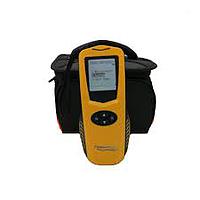
Cover Meter & Rebar Detector Calibration Service
Reliable concrete inspection depends on more than the instrument itself. When a cover meter or rebar detector drifts out of tolerance, scan results can become inconsistent, making it harder to judge concrete cover depth, locate reinforcement accurately, or compare readings across projects. This is why Cover Meter & Rebar Detector Calibration Service is an important part of quality control for civil engineering, building inspection, and materials testing workflows.
On this page, you can explore calibration service options for commonly used instruments in reinforced concrete testing. The focus is not only on restoring confidence in measurement results, but also on helping laboratories, contractors, consultants, and inspection teams maintain traceable, repeatable performance over time.
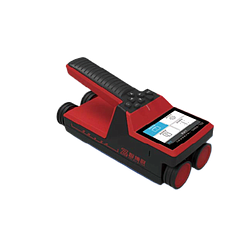
Why calibration matters for cover meters and rebar detectors
Cover meters and rebar detectors are used to identify reinforcing bar position and estimate concrete cover without destructive testing. In practical field use, these instruments support tasks such as pre-drilling checks, structural assessment, renovation planning, and verification of construction quality. Because decisions may depend on relatively small differences in measured depth or bar location, measurement accuracy is critical.
Regular calibration helps confirm that the instrument is responding correctly under controlled conditions. It also provides a structured way to identify drift, verify repeatability, and reduce uncertainty before the device is returned to service. For organizations working under internal QA procedures or project documentation requirements, calibration records can also support consistency across teams and job sites.
What this service category is intended for
This category is designed for calibration support related to cover meters and rebar locating instruments used in concrete and reinforcement inspection. The service is relevant for users who need periodic verification, performance checks after intensive field use, or confirmation of instrument reliability before critical testing programs.
In many cases, calibration is scheduled as part of routine asset management. It may also be requested after transport, impact, long storage periods, unusual readings, or before formal inspection campaigns. If your workflow includes multiple concrete NDT methods, related services such as concrete test hammer calibration or concrete ultrasonic detector calibration may also be relevant.
Typical users and application environments
This service is commonly used by construction materials laboratories, inspection companies, engineering consultants, contractors, infrastructure maintenance teams, and academic or research institutions. In these environments, cover measurement and reinforcement location are often part of a broader condition assessment process for bridges, buildings, tunnels, precast elements, and other reinforced concrete structures.
A calibrated instrument is especially valuable when results need to be compared over time or shared across stakeholders. Whether the goal is checking cover before coring, mapping reinforcement prior to cutting, or supporting durability assessment, dependable instrument performance helps reduce avoidable interpretation errors.
Supported brands and example calibration services
This category includes calibration service options for instruments from widely used manufacturers in the concrete testing field. Examples include services for ELCOMETER, PROCEQ, NOVOTEST, MADE, and T-measurement, depending on the equipment in use and the required calibration scope.
Representative service listings in this category include MADE Cover Meter & Rebar Detector Calibration Service, T-measurement Cover Meter & Rebar Detector Calibration Service, PROCEQ Cover Meter & Rebar Detector Calibration Service, ELCOMETER Cover Meter & Rebar Detector Calibration Service, and Novotest Cover Meter & Rebar Detector Calibration Service. These examples help illustrate the range of supported equipment ecosystems without treating all instruments as identical, since calibration needs can vary by design and measurement principle.
How to choose the right calibration service
When selecting a calibration service, start with the exact instrument brand and model, then consider how the device is used in practice. A unit used daily on demanding field projects may require more frequent verification than one used occasionally in controlled lab conditions. It is also useful to check whether your internal procedures require specific intervals, reporting formats, or traceability expectations.
You should also consider the role of the instrument within the full testing workflow. For example, if rebar location data is combined with other structural assessment methods, maintaining calibration across all related equipment can improve overall confidence in results. In some projects, users may also need complementary services such as rebar corrosion detection calibration or permeability tester calibration to support broader material and durability evaluation.
What to prepare before sending an instrument for calibration
Before arranging service, it is helpful to confirm the equipment identification details, current operating condition, and any issues observed in the field. Notes such as unstable readings, suspected offset, accessory condition, or previous calibration history can help streamline the process and provide useful background for evaluation.
If the instrument is part of a managed equipment fleet, keeping records of usage frequency, storage conditions, and recent transport events can also be valuable. Even when no obvious fault is present, documented periodic calibration supports a more disciplined maintenance program and helps reduce the risk of unnoticed performance drift.
Calibration as part of a broader concrete testing quality system
For many organizations, calibration is not an isolated activity but part of a wider equipment quality assurance strategy. Cover meters and rebar detectors often work alongside rebound hammers, ultrasonic detectors, corrosion assessment tools, and permeability testing equipment. Consistent calibration across these devices supports more reliable inspection outcomes and better comparability between test methods.
In reinforced concrete evaluation, field decisions often rely on the combined interpretation of several data sources. Keeping each instrument in verified condition helps maintain confidence not only in a single reading, but in the full inspection process. That is especially important for teams managing repeat inspections, acceptance testing, or condition monitoring programs over long service periods.
Find a suitable service for your instrument
If you are managing concrete inspection equipment and need dependable verification for reinforcement locating tools, this category provides a focused starting point. The available options cover service needs for widely recognized brands and support users who require clear, practical calibration pathways for field and laboratory instruments.
Choosing the right calibration service helps protect the value of your equipment and the credibility of your measurement results. By matching the service to your instrument type, usage frequency, and quality requirements, you can keep your cover meter or rebar detector ready for accurate work in real inspection conditions.
Get exclusive volume discounts, bulk pricing updates, and new product alerts delivered directly to your inbox.
By subscribing, you agree to our Terms of Service and Privacy Policy.
Direct access to our certified experts