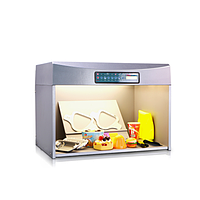
Color Assessment Cabinet Calibration Service
Accurate visual color evaluation depends on more than the cabinet itself. In quality control, product development, printing, textiles, plastics, coatings, and packaging, even a small shift in light source performance can affect how operators judge color, metamerism, and visual consistency. That is why Color Assessment Cabinet Calibration Service plays an important role in maintaining reliable viewing conditions over time.
Regular calibration helps confirm that a cabinet continues to operate within expected conditions, supports repeatable inspection workflows, and reduces the risk of color decisions being influenced by aging lamps or drift in viewing performance. For businesses that rely on visual color approval before production release or shipment, calibration is part of a controlled quality system rather than a one-time maintenance task.

Why calibration matters for color assessment cabinets
A color assessment cabinet is designed to provide controlled lighting conditions for visual comparison. In practical use, operators may assess sample panels, printed materials, fabrics, plastics, or finished goods under specific light sources to check color match and identify differences that are harder to see under uncontrolled ambient light.
Over time, light sources can age, intensity can change, and the overall viewing environment may no longer represent the intended reference condition. Calibration helps verify that the cabinet remains suitable for inspection tasks and supports more dependable pass/fail decisions. This is especially relevant when multiple teams, suppliers, or customer sites need to align on the same visual evaluation process.
When this service is typically needed
Calibration is commonly scheduled as part of periodic preventive maintenance, but there are several situations where it becomes particularly important. If operators notice inconsistent visual judgments, if lamps have been replaced, or if the cabinet is used in a tightly controlled approval workflow, a calibration check helps restore confidence in the inspection setup.
It is also a sensible step when preparing for audits, customer qualification, or internal quality reviews. In industries where color acceptance must be documented and repeatable, routine service supports traceability and helps reduce disputes caused by subjective viewing conditions rather than actual product variation.
What to expect from a calibration service workflow
While the exact service scope depends on the equipment and service process, calibration generally focuses on the performance of the cabinet as a visual color control tool. The objective is not only to confirm that the unit powers on, but also to evaluate whether it continues to provide suitable conditions for visual assessment.
For organizations managing broader instrument maintenance programs, this service often sits alongside other specialized calibration activities such as coating thickness meter calibration or laser power meter calibration, depending on the type of production and quality checks involved.
Supported brands and example services
This category includes service options for widely used cabinet brands in industrial color evaluation workflows. Examples include the TILO ecosystem, along with support references for ABD and 3nh equipment. Choosing a service aligned with the actual cabinet brand helps simplify planning and ensures the service request matches the equipment in use.
Representative offerings in this category include TILO Color Assessment Cabinet Calibration Service, ABD Color Assessment Cabinet Calibration Service, and 3nh Color Assessment Cabinet Calibration Service. These examples illustrate the category scope for companies that need brand-specific support while maintaining a consistent calibration approach across visual inspection stations.
How to choose the right service for your cabinet
The most practical starting point is to confirm the cabinet manufacturer and the role of the unit within your process. Some companies use a cabinet only for incoming sample checks, while others depend on it for formal customer approvals or production release decisions. The more critical the visual result, the more important it is to maintain documented calibration intervals.
It is also useful to align calibration scheduling with lamp replacement cycles, internal quality procedures, and the overall maintenance plan for test equipment. If your organization manages multiple specialized instruments, combining service planning across categories can improve consistency. In some environments, teams also review related service needs such as compressed air and gases tester calibration where process verification extends beyond color control.
Benefits for quality assurance and production teams
A calibrated cabinet supports clearer communication between design, production, quality, and supplier teams. When viewing conditions are stable, disagreements over color acceptance are less likely to stem from the equipment itself. This can help reduce rework, avoid unnecessary material rejection, and improve consistency in visual approvals across batches.
From a quality management perspective, calibration also reinforces a more systematic approach to inspection. Instead of relying on assumptions about lighting performance, teams can treat the cabinet as part of a monitored measurement environment. That is especially valuable where visual evaluation remains an essential complement to instrumental color measurement.
Part of a broader specialty calibration program
Many facilities do not operate color assessment cabinets in isolation. They are part of a wider network of testing and inspection equipment used for product validation, compliance, and process control. Placing cabinet calibration within a broader service program can make equipment oversight easier and reduce missed maintenance intervals.
If your site uses other specialized measuring devices, it may be useful to review related categories such as velocity of detonation meter calibration for application-specific environments. This approach helps centralize service planning while keeping each instrument calibrated according to its own technical role.
Choosing a service that fits your inspection workflow
The right calibration service should support the way your business actually uses its color viewing equipment. Whether you operate a single cabinet in a lab or several units across production and approval areas, the goal is the same: maintain dependable viewing conditions for consistent color decisions.
By selecting a suitable color assessment cabinet calibration service for brands such as TILO, ABD, or 3nh, companies can strengthen process reliability and support better day-to-day quality control. A well-maintained cabinet is not just a light box in the inspection room; it is a practical part of a controlled visual evaluation system.
Get exclusive volume discounts, bulk pricing updates, and new product alerts delivered directly to your inbox.
By subscribing, you agree to our Terms of Service and Privacy Policy.
Direct access to our certified experts