
CT/PT Tester Inspection Service
Accurate transformer testing is essential when current transformers and potential transformers are used in protection, metering, and power system maintenance. When a tester is out of tolerance, even small deviations can affect ratio verification, polarity checks, burden assessment, or routine commissioning work. A reliable CT/PT Tester Inspection Service helps maintain confidence in test results and supports consistent field and laboratory measurement practices.
This service category is intended for organizations that depend on CT/PT test instruments in utilities, industrial plants, panel builders, maintenance teams, and electrical testing contractors. Periodic inspection helps confirm that the instrument performs as expected, reduces uncertainty in critical testing workflows, and supports better equipment management over the full service life of the tester.
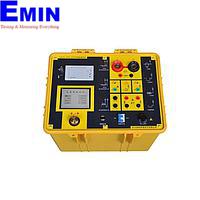
Why inspection matters for CT/PT test equipment
CT/PT testers are commonly used to verify key transformer-related parameters during installation, troubleshooting, and preventive maintenance. Because these instruments are often applied in power environments where protection and metering accuracy matter, regular inspection is not only a maintenance task but also part of broader measurement reliability and quality control.
Over time, electrical test equipment may be affected by transport, repeated field use, environmental conditions, connector wear, or normal component drift. An inspection service helps identify whether the instrument remains suitable for its intended purpose and whether any performance issues should be addressed before they influence important testing decisions.
What this service typically supports
A CT/PT tester is generally used in workflows related to transformer ratio verification, excitation behavior checks, polarity confirmation, wiring validation, and other routine electrical testing activities. Inspection service for this type of equipment focuses on confirming that the tester can continue to support these tasks in a stable and dependable way.
In practical terms, this is valuable for teams that need repeatable results across multiple sites or projects. When instruments are periodically inspected, maintenance personnel can work with greater confidence that the readings they use for acceptance, diagnosis, or trend comparison are based on equipment that has been properly reviewed.
Who should consider a CT/PT Tester Inspection Service
This category is relevant for a wide range of B2B users, including utilities, EPC contractors, switchgear manufacturers, maintenance service providers, industrial electrical departments, and testing laboratories. Any organization that uses transformer test equipment as part of commissioning or maintenance can benefit from an established inspection cycle.
It is especially useful when instruments are shared between teams, frequently transported to field locations, or used as part of formal maintenance documentation. In these situations, a structured inspection process supports better traceability, more predictable equipment readiness, and fewer interruptions during scheduled electrical testing work.
How it fits within broader electrical tester maintenance
CT/PT testing is only one part of a larger electrical test environment. Many facilities also manage instruments for low-resistance measurement, withstand voltage testing, cable fault diagnostics, and related inspection tasks. Reviewing these service categories together can help standardize maintenance planning across multiple device types.
For example, teams responsible for transformer test equipment may also need support for low resistance meter inspection when evaluating winding or connection integrity. Where insulation verification is part of the same maintenance workflow, withstand voltage test inspection service may also be relevant.
Points to review when arranging inspection service
Before sending equipment for inspection, it is helpful to confirm the instrument model, current operating condition, accessories used during normal testing, and any known symptoms observed in the field. Clear information about application history can make the inspection process more efficient and help ensure the service aligns with the way the tester is actually used.
It is also a good idea to consider inspection timing in relation to shutdown schedules, commissioning work, or project deadlines. For organizations managing several types of electrical test instruments, aligning service intervals can reduce administrative effort and improve equipment availability across the entire testing program.
Related services that may be useful
Depending on your testing scope, adjacent inspection categories may support a more complete maintenance plan. If your team works with switchgear verification or breaker maintenance, breaker testing equipment inspection service can complement transformer-related test equipment management.
For cable commissioning and fault location work, organizations may also review cable fault tester inspection service. Looking at related services in context often makes it easier to build a practical inspection schedule for the full set of electrical testers used on site.
Choosing a service approach that supports consistent results
When evaluating inspection needs, the main objective is not simply to complete a routine service event but to preserve confidence in the tester’s role within the electrical maintenance process. A well-planned inspection approach helps reduce unexpected instrument issues, supports more dependable verification work, and contributes to better long-term asset management.
For companies that rely on transformer testing as part of protection, metering, or commissioning activity, regular inspection intervals are a practical way to improve consistency. By keeping CT/PT test equipment in suitable condition for use, teams can make day-to-day testing decisions with stronger technical assurance and fewer avoidable uncertainties.
Conclusion
CT/PT Tester Inspection Service is a practical category for organizations that need dependable performance from transformer testing instruments used in electrical maintenance and verification work. Whether the goal is routine quality control, better equipment traceability, or improved readiness for field tasks, periodic inspection helps keep testing processes more stable and easier to manage.
If your operation uses multiple types of electrical test instruments, reviewing related inspection services alongside CT/PT tester support can help create a more complete and efficient maintenance plan. That broader view often leads to better uptime, more consistent test data, and smoother execution across electrical testing activities.
Get exclusive volume discounts, bulk pricing updates, and new product alerts delivered directly to your inbox.
By subscribing, you agree to our Terms of Service and Privacy Policy.
Direct access to our certified experts