
Current Generator Inspection Service
Reliable current output is critical when electrical test benches, protection checks, and verification procedures depend on stable injection values. In practice, even a small deviation in a current source can affect test credibility, make troubleshooting harder, and create uncertainty in maintenance records. That is why a professional Current Generator Inspection Service plays an important role in quality control for industrial testing equipment.
This service is intended for users who need confidence that their current generators are operating within expected performance conditions. Whether the equipment is used in maintenance departments, utility environments, production support, or technical laboratories, periodic inspection helps confirm output behavior, operating stability, and overall suitability for continued use.
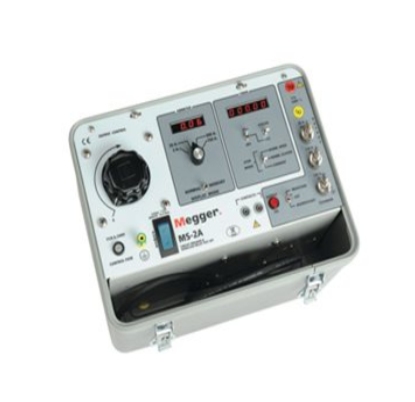
Why inspection matters for current generators
A current generator is often used as a reference source or simulation tool during electrical testing. If the generated current is inaccurate, unstable, or inconsistent across operating points, the error can carry through to every connected procedure. This is especially important when the device supports verification of protection circuits, electrical components, or test instruments that rely on known injected values.
Regular inspection helps identify issues such as output drift, instability, connection problems, or performance changes caused by wear and operating environment. For organizations working under internal maintenance standards or documented quality systems, inspection also supports better traceability and more consistent equipment management.
What is typically checked during the service
The scope of a current generator inspection generally focuses on whether the unit performs as expected in actual working conditions. This may include confirmation of output behavior, repeatability, functional response, and visible operating condition. The objective is not only to detect clear faults, but also to find gradual performance changes before they affect field work or test reliability.
Inspection can also help determine whether the equipment remains appropriate for its intended application. For example, a unit that still powers on normally may still require attention if its output consistency is no longer suitable for precise testing tasks. This makes inspection useful not only after a problem appears, but also as part of preventive maintenance planning.
Common applications that benefit from periodic verification
Current generators are used in a range of technical environments where stable current injection is essential. These include electrical maintenance activities, verification routines in service workshops, support work around protection and switching systems, and controlled testing in industrial or utility settings. In these applications, confidence in the source equipment directly affects confidence in the final test result.
Periodic inspection is particularly valuable when the equipment is used frequently, transported between sites, or operated in demanding environments. Mechanical stress, environmental changes, and repeated setup can gradually influence performance, even when the device shows no obvious external damage.
How inspection supports broader equipment reliability
Current source verification should be considered as part of a wider inspection strategy for electrical test equipment. In many facilities, different instruments work together in the same workflow, so the reliability of one device affects the reliability of the whole test chain. A current generator that is properly inspected helps reduce uncertainty during diagnostics, acceptance testing, and maintenance reporting.
Depending on the application, users may also need related services for other electrical test instruments. For example, teams working with grounding and continuity checks may also review low resistance meter inspection, while high-voltage safety procedures often benefit from withstand voltage test inspection as part of the same maintenance framework.
When to consider sending a current generator for inspection
Inspection is worth considering at regular intervals, after heavy field use, following transport or storage over long periods, or whenever test results start to look inconsistent. It is also advisable before important shutdown work, commissioning activity, or internal audits where dependable test equipment records are required.
Typical warning signs include unstable readings, unexpected output behavior, intermittent operation, or doubts about repeatability. Even without a clear failure, scheduled inspection helps reduce the risk of using equipment whose performance has changed over time. This is especially relevant in environments where electrical safety and test documentation are closely monitored.
Choosing the right service in multi-instrument workflows
Many technical teams do not use a current generator in isolation. It may be part of a broader inspection and testing workflow involving switching equipment, insulation-related checks, or cable diagnostics. Looking at service requirements across the whole workflow can help reduce downtime and improve consistency in maintenance scheduling.
For example, operations that also support switchgear verification may need breaker testing equipment inspection, while field service teams dealing with network troubleshooting may benefit from cable fault tester inspection. Reviewing related services together often makes asset planning more efficient.
Practical value for maintenance, QA, and compliance teams
For maintenance teams, inspection helps keep test equipment ready for day-to-day work and reduces the chance of unreliable measurements during critical jobs. For quality teams, it supports more defensible records and better control of instrument condition. For organizations with compliance requirements, documented inspection can also strengthen internal governance around tool management and technical verification.
The service is therefore not only about detecting failure. It is also about maintaining a dependable testing environment, improving confidence in reported results, and supporting informed decisions about continued use, servicing, or replacement of equipment when needed.
Conclusion
When testing outcomes depend on known and repeatable current output, inspection becomes a practical safeguard rather than an administrative task. A well-managed Current Generator Inspection Service helps confirm equipment condition, reduce uncertainty in electrical testing, and support more consistent maintenance operations. If your workflow depends on accurate source equipment, periodic inspection is a sensible step toward better reliability and better control of test quality.
Get exclusive volume discounts, bulk pricing updates, and new product alerts delivered directly to your inbox.
By subscribing, you agree to our Terms of Service and Privacy Policy.
Direct access to our certified experts