
High-pressure Test Equipment Inspection Service
Reliable high-voltage testing depends not only on the capability of the instrument itself, but also on whether its measurement and output performance remain within acceptable inspection criteria over time. In production plants, maintenance departments, utilities, and electrical laboratories, periodic inspection helps reduce uncertainty before a high-pressure tester is used on cables, components, switchgear, insulation systems, or finished assemblies.
High-pressure Test Equipment Inspection Service is intended for users who need a structured way to confirm the condition and performance of their electrical test equipment. This is especially important for equipment exposed to frequent transport, repeated duty cycles, demanding site conditions, or applications where test reliability directly affects quality control and electrical safety workflows.
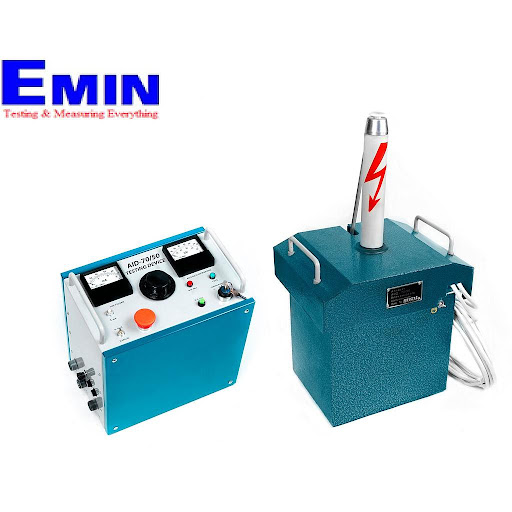
Why periodic inspection matters for high-pressure test equipment
High-pressure test equipment is commonly used to verify dielectric strength, insulation condition, and the ability of electrical products or systems to withstand specified test voltages. Because these instruments operate in demanding electrical environments, even small deviations in output accuracy, indication behavior, or protective functions can influence test confidence.
A regular inspection program supports measurement reliability, helps identify wear or drift, and provides a clearer basis for deciding whether equipment is ready for continued use. For organizations working under internal quality procedures or maintenance standards, inspection also helps document the condition of critical test assets across their service life.
Typical scope of an inspection service
The exact inspection workflow can vary depending on the equipment type and how it is used, but the main objective is consistent: to verify whether the tester performs as expected under defined conditions. This may include checks related to output behavior, indication accuracy, functional operation, stability, and the general condition of the unit.
In practice, inspection may also help reveal issues such as connector wear, abnormal response during operation, mechanical damage from transport, or deterioration caused by long-term storage. For users managing broader electrical test programs, it is often useful to align this service with related categories such as withstand voltage test inspection support where the testing purpose or device function overlaps in daily operations.
Where this service is commonly used
Inspection demand for high-pressure testers is typically highest in environments where electrical integrity must be confirmed before commissioning, shipment, maintenance, or re-energization. Examples include manufacturing lines for electrical assemblies, service teams handling field diagnostics, maintenance workshops, and technical departments responsible for test equipment readiness.
It is also relevant in workflows that involve broader electrical verification tasks. For example, teams handling insulation-related evaluation may review this category alongside inspection services for insulating materials testers when their work includes both material-level validation and high-voltage equipment checks.
What to prepare before sending equipment for inspection
Clear equipment information helps streamline the inspection process. In most cases, it is useful to identify the model, serial number, operating range, recent usage conditions, known symptoms, and whether the unit has shown unstable behavior, unexpected shutdowns, or irregular output. If available, previous inspection records can also help build a more complete service history.
Accessories that affect operation should be reviewed as well. Test leads, probes, connectors, fixtures, or associated components may influence the way the equipment is evaluated, especially when they are part of the normal test configuration. Good preparation helps ensure the inspection reflects the actual way the instrument is used in the field or on the production floor.
How inspection supports safer and more consistent testing
High-voltage work requires careful handling, controlled procedures, and confidence in equipment condition. An inspection service does not replace safe operating practice, but it does support it by confirming whether the test instrument remains suitable for continued use. This becomes particularly important when the equipment is used for repetitive acceptance testing, maintenance verification, or troubleshooting in sensitive electrical systems.
Organizations often treat inspection as part of a wider equipment lifecycle management approach. Instead of responding only after a failure occurs, they use scheduled checks to reduce downtime, improve traceability, and make service planning more predictable. In electrical maintenance environments, this can be complemented by related services such as breaker testing equipment inspection when multiple test instruments are maintained under the same program.
Choosing the right service context for your testing workflow
Not every electrical tester is inspected for the same reasons. Some users prioritize output verification for compliance-oriented procedures, while others focus on operational stability after frequent field use. Understanding the role of the instrument in your process helps determine how often it should be inspected and what kind of evaluation is most relevant.
If your workflow includes several electrical measurement and diagnostic tools, it can be helpful to review adjacent categories and organize service intervals by application. For instance, teams responsible for conductor path verification may also need low resistance meter inspection services as part of a coordinated maintenance plan for electrical test equipment.
FAQ
When should high-pressure test equipment be inspected?
Inspection intervals usually depend on usage frequency, operating environment, internal quality requirements, and the criticality of the testing task. Equipment used heavily in field conditions often needs closer attention than equipment used less frequently in controlled environments.
Is inspection useful even if the equipment still powers on normally?
Yes. Normal power-up does not always confirm stable output or reliable indication behavior. Periodic inspection helps detect issues that may not be obvious during routine operation.
Can this service help with quality documentation?
In many organizations, inspection records support maintenance history, equipment control procedures, and internal audit readiness by showing that important test instruments are being monitored over time.
Supporting dependable high-voltage testing over time
When electrical testing must be consistent, documented, and dependable, routine inspection becomes an important part of the process rather than an afterthought. High-pressure test equipment used in demanding environments benefits from regular condition checks that help reduce uncertainty and support day-to-day operational confidence.
Whether your priority is maintenance planning, quality assurance, or safer use of critical test instruments, a well-timed inspection service helps keep your testing workflow more controlled and easier to manage over the long term.
Get exclusive volume discounts, bulk pricing updates, and new product alerts delivered directly to your inbox.
By subscribing, you agree to our Terms of Service and Privacy Policy.
Direct access to our certified experts