
High Voltage/ Step-up Transformers Inspection
When high-voltage testing is part of maintenance, commissioning, or product verification, the condition of the test equipment matters as much as the test procedure itself. A step-up transformer used to generate elevated test voltage must operate predictably, safely, and within its intended performance range. That is why High Voltage/ Step-up Transformers Inspection is an important service for laboratories, utilities, panel builders, repair centers, and industrial maintenance teams that rely on controlled high-voltage output.
This inspection category is intended for organizations that need confidence in the operating condition of their high-voltage transformer equipment before it is used in routine testing or critical field work. A proper inspection helps identify wear, insulation concerns, connection issues, and output-related deviations that could affect both measurement quality and operator safety.
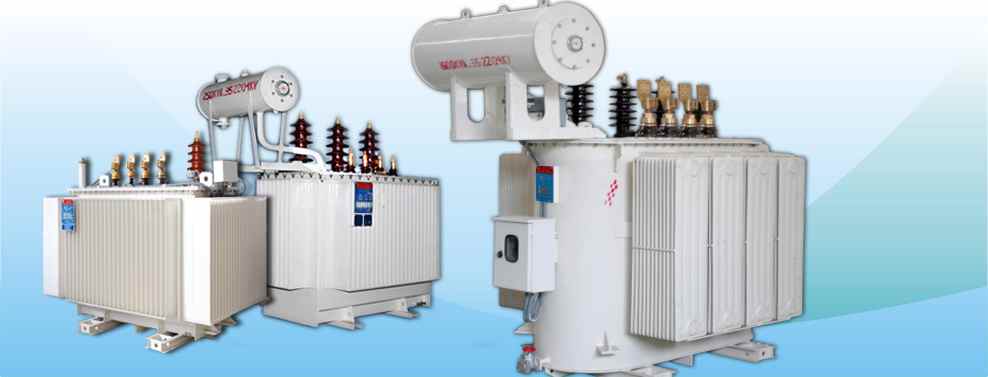
Why inspection of high-voltage step-up transformers is necessary
Step-up transformers used in electrical testing are exposed to demanding operating conditions. They may be used intermittently at high stress levels, transported between sites, or connected to different test setups over time. Even when obvious damage is not visible, internal insulation aging, terminal degradation, or output instability can develop gradually.
An inspection helps verify the general condition of the unit and supports safer operation during high-voltage applications. In B2B environments, this is especially relevant because unreliable test equipment can affect maintenance decisions, acceptance testing, troubleshooting workflows, and compliance-oriented processes.
Typical inspection focus areas
The exact inspection scope can vary depending on the equipment design and how it is used, but the core objective is usually to confirm that the transformer remains suitable for high-voltage testing tasks. This may include checks related to physical condition, electrical integrity, insulation behavior, terminals and leads, and overall functional readiness.
For many users, the key concern is not only whether the transformer powers on, but whether it can deliver stable high-voltage output under appropriate test conditions. Inspection is also valuable for identifying issues that may increase leakage, reduce repeatability, or create risk during withstand or insulation-related testing.
- External condition of the enclosure, bushings, connectors, and cables
- Signs of overheating, contamination, aging, or mechanical damage
- Electrical condition relevant to insulation and output performance
- General operational readiness for continued test use
Where this service fits in electrical test workflows
High-voltage step-up transformers are commonly part of a broader test setup rather than a standalone process. They may support dielectric testing, insulation evaluation, withstand voltage procedures, or other applications where elevated voltage must be generated in a controlled way. Because of that, transformer inspection often has a direct effect on the reliability of the whole testing chain.
If your workflow includes dielectric strength verification or related safety checks, it can be useful to review associated services such as withstand voltage test inspection service. In installations where insulation performance is a key concern, inspection for insulating materials testers may also be relevant as part of a broader maintenance plan.
Common situations that make inspection more urgent
Not every transformer is inspected for the same reason. In some cases, the equipment is being checked before scheduled use in a production or service environment. In others, the need arises after transport, prolonged storage, inconsistent output, unusual noise, visible wear, or a suspected insulation issue.
Inspection is also advisable when a transformer is used in environments with dust, humidity, temperature fluctuation, or frequent handling. These conditions do not automatically mean the equipment is unfit for service, but they can accelerate deterioration and justify a more careful evaluation of electrical insulation condition and connection integrity.
How inspection supports safety and test reliability
High-voltage equipment always requires a cautious approach. An inspection service helps reduce uncertainty by checking whether the transformer remains appropriate for use within its intended application. This is important not only for protecting the equipment under test, but also for reducing risk to personnel and nearby assets.
From an operational perspective, dependable equipment contributes to more consistent testing and fewer interruptions. A transformer with degraded insulation or unstable behavior can compromise downstream decisions, especially when test outcomes are used to judge cable condition, breaker status, or the readiness of electrical assemblies. Teams working across multiple test domains may therefore also review related options such as breaker testing equipment inspection or cable fault tester inspection when managing a wider electrical test asset base.
Choosing the right service for your equipment
When selecting an inspection service, it helps to consider how the transformer is used in practice. A unit dedicated to periodic lab testing may have different inspection priorities from a transformer used in field service or mobile commissioning work. Usage frequency, output range, environmental exposure, storage method, and connection accessories all influence the context of the inspection.
It is also useful to prepare basic equipment information in advance, such as the transformer type, application, operating history, and any symptoms already observed. That context can make the inspection process more efficient and support a more relevant evaluation of the equipment’s functional condition.
Suitable for industrial, utility, and test bench applications
This category is relevant for a wide range of professional users. Industrial plants may use step-up transformers in maintenance and acceptance testing. Utilities and contractors may rely on them during field verification work. Manufacturers and test benches may incorporate them into quality control or development processes where repeatable high-voltage generation is required.
Because the service is aimed at technical B2B use cases, the value of inspection is not limited to fault finding. It also supports planning, asset management, and better confidence in scheduled test operations, especially where downtime or retesting would be costly.
Final considerations
Choosing High Voltage/ Step-up Transformers Inspection is a practical step for organizations that need dependable high-voltage test equipment and clearer visibility into equipment condition. Whether the goal is preventive maintenance, readiness before a critical test, or investigation after abnormal behavior, inspection helps support safer operation and more reliable electrical testing.
For teams managing multiple instruments across the same workflow, it often makes sense to view transformer inspection as one part of a broader electrical test equipment maintenance strategy. A well-maintained test environment starts with equipment that can be trusted to perform as expected when voltage, safety, and test accuracy all matter.
Get exclusive volume discounts, bulk pricing updates, and new product alerts delivered directly to your inbox.
By subscribing, you agree to our Terms of Service and Privacy Policy.
Direct access to our certified experts