
Lightning Arrester Tester Inspection Service
Reliable protection against transient overvoltage depends not only on the condition of the arrester itself, but also on the accuracy of the instrument used to evaluate it. In maintenance programs for substations, distribution systems, industrial facilities, and utility assets, inspection of test equipment helps reduce uncertainty when checking arrester performance and insulation condition. That is why Lightning Arrester Tester Inspection Service is an important part of electrical test quality management.
When a lightning arrester tester is used in periodic maintenance, troubleshooting, or field verification, measurement drift, handling stress, and long-term use can affect confidence in the results. A structured inspection service helps confirm whether the instrument remains suitable for continued use and supports more consistent testing work across maintenance teams.
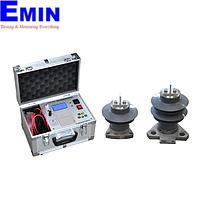
Why inspection matters for lightning arrester testing instruments
Lightning arrester testers are typically used to assess electrical characteristics related to the condition of surge protection devices installed in power systems. Because these measurements are often used to support maintenance decisions, even small deviations in instrument behavior can lead to unnecessary replacement, overlooked deterioration, or inconsistent historical data.
A professional inspection service helps verify the operating status of the tester and provides a clearer basis for judging whether the instrument is performing within an acceptable range for practical use. This is especially relevant in environments where equipment is moved frequently between field sites or used under varying temperature, humidity, and electrical conditions.
Typical situations where this service is useful
This category is relevant for organizations that use lightning arrester testers in routine preventive maintenance, outage work, commissioning, or asset diagnostics. Utilities, electrical contractors, plant maintenance teams, panel builders, and service companies may all need periodic instrument inspection to maintain traceable and repeatable test workflows.
The service is also useful when there are signs that the tester may need attention, such as unstable readings, differences between instruments, unexpected test outcomes, or long intervals since the last verification. In such cases, inspection helps determine whether the issue is related to the device under test, the test method, or the tester itself.
What is generally checked during tester inspection
While the exact scope can vary depending on the instrument and service process, inspection commonly focuses on the tester’s general operating condition, measurement behavior, and functional stability. This may include confirming basic operation, checking display or interface response, reviewing connector condition, and evaluating whether the instrument performs consistently during expected test routines.
For electrical maintenance teams, the real value lies in improving measurement reliability. An inspected tester supports more dependable comparison of test data over time, which is important when trending arrester condition across multiple assets or planning replacement based on performance history rather than isolated readings.
How this supports maintenance and compliance workflows
In many organizations, test equipment inspection is part of a broader asset management and quality assurance process. Keeping lightning arrester testers in verified condition can help standardize procedures between technicians, reduce avoidable retesting, and support internal documentation requirements for maintenance records.
This is particularly helpful when arrester testing is performed alongside other electrical safety and condition checks. For example, teams that also manage withstand voltage test inspection service requirements may benefit from a more consistent approach to control of test instruments across different procedures.
Related inspection services in the same electrical testing environment
Lightning arrester testing rarely exists in isolation. In practical field work, it often sits within a wider inspection program covering insulation verification, circuit protection, conductor condition, and fault investigation. Reviewing related service categories can help maintenance planners organize instrument management more efficiently across multiple test methods.
Depending on the equipment used in your workflow, you may also want to review low resistance meter inspection service for conductor and contact resistance checks, breaker testing equipment inspection service for protection and switching systems, or cable fault tester inspection service where underground or power cable diagnostics are part of the same maintenance scope.
Choosing the right inspection interval
There is no single interval that fits every operation. The right schedule depends on how often the tester is used, the criticality of the applications, transport frequency, environmental exposure, and internal quality requirements. Instruments used in demanding field conditions or in decision-critical maintenance work often require closer attention than units stored for occasional use.
A practical approach is to align inspection timing with maintenance cycles, shutdown planning, or internal equipment control procedures. If your team manages several classes of electrical test instruments, grouping inspections by application area can simplify administration and reduce downtime.
Points to prepare before requesting service
Before arranging inspection, it is helpful to confirm the tester model, current operating symptoms if any, past service history, and the type of work the instrument is used for. Clear background information helps ensure the inspection process is matched to the real operating context rather than treated as a generic bench check.
If the instrument is used in comparative testing or trend-based diagnostics, sharing that information is also beneficial. It allows the service request to be framed around practical field use, where consistency and repeatability are often just as important as nominal measurement capability.
Supporting dependable arrester test results
Accurate decisions in electrical maintenance start with confidence in the tools being used. A well-managed Lightning Arrester Tester Inspection Service program helps maintain trust in test data, supports safer maintenance planning, and reduces uncertainty when evaluating surge protection equipment in the field.
If your operation relies on regular arrester condition checks, periodic inspection of the tester is a sensible step toward more stable measurement performance and better long-term control of electrical test equipment across the wider maintenance process.
Get exclusive volume discounts, bulk pricing updates, and new product alerts delivered directly to your inbox.
By subscribing, you agree to our Terms of Service and Privacy Policy.
Direct access to our certified experts