
Relay Tester Inspection Service
Reliable relay testing depends not only on the instrument itself, but also on the condition of the measuring and output circuits behind it. In maintenance departments, power facilities, and industrial service environments, periodic inspection helps confirm that a relay tester still performs within expected accuracy and remains suitable for field or bench use.
Relay Tester Inspection Service is intended for users who need greater confidence in protective relay testing workflows, troubleshooting tasks, and routine verification work. A structured inspection process can help identify drift, output issues, connection problems, or general performance concerns before they affect maintenance quality or test results.
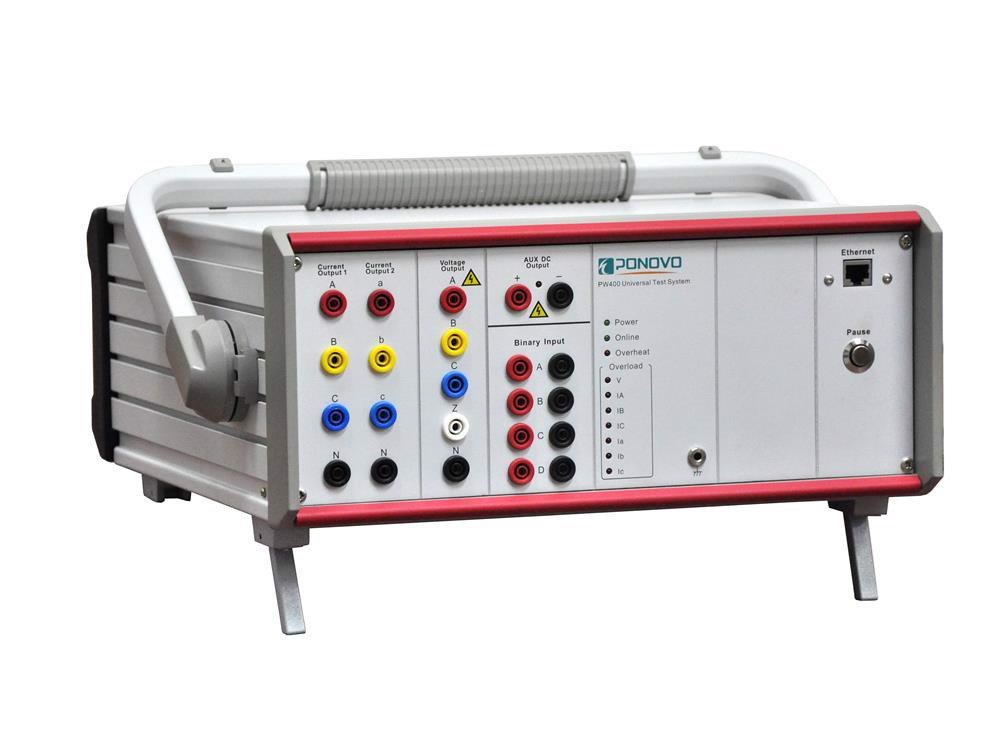
Why relay tester inspection matters
Relay testers are used in applications where timing, output stability, and electrical verification are important to the safety and reliability of the wider system. When the instrument is used to check protection relays, control circuits, or related devices, even small deviations can create uncertainty in maintenance records and troubleshooting conclusions.
Regular inspection supports measurement reliability by checking whether the equipment continues to operate as intended. This is especially relevant for organizations that use test equipment repeatedly in maintenance programs, shutdown work, commissioning support, or electrical service operations where traceable and repeatable results are expected.
Typical scope of a relay tester inspection service
The exact inspection scope may vary depending on instrument type and condition, but the service generally focuses on the overall health and usability of the equipment. This can include confirmation of key electrical functions, output behavior, basic operational checks, and review of visible issues that may affect safe or stable operation.
In practical terms, inspection often helps reveal issues such as unstable readings, output irregularities, degraded connectors, switch or terminal wear, and other factors that may influence test quality. For users managing broader electrical verification programs, it can also be useful to review related services such as withstand voltage test inspection when multiple tester types are maintained together.
Where this service is commonly used
Relay tester inspection is relevant across many technical environments, including power distribution maintenance, plant electrical departments, panel building support, utility-related testing, and industrial service organizations. It is especially useful where protective devices and control circuits are checked on a recurring schedule and equipment uptime is closely tied to maintenance quality.
For teams handling a wider mix of electrical test instruments, relay tester inspection is often part of a broader maintenance routine. Depending on the equipment fleet, this may sit alongside services for breaker testing equipment or specialized tools used in cable and insulation diagnostics.
What users should prepare before sending equipment for inspection
To make the inspection process more efficient, it is helpful to organize the tester with its essential accessories and provide a brief note on any symptoms observed during use. Information such as unstable outputs, abnormal indications, intermittent connection behavior, or issues reproduced under certain test conditions can help narrow the initial assessment.
If the instrument is used as part of a larger diagnostic workflow, mentioning the application context is also useful. For example, whether the relay tester is mainly used for protective relay verification, maintenance support, or troubleshooting can help align the inspection with the most relevant operating conditions and expected usage profile.
Benefits of periodic inspection in maintenance programs
A scheduled inspection approach can reduce uncertainty in day-to-day testing work and support better planning for service intervals. Instead of waiting until obvious faults appear, users can detect gradual deterioration earlier and decide whether the instrument remains suitable for continued use, requires adjustment, or needs further service attention.
From an operational perspective, this helps improve test consistency and reduces the risk of rework caused by questionable instrument performance. For organizations that manage multiple electrical testers, a planned inspection cycle may also simplify equipment control, especially when combined with related services such as low resistance meter inspection for complementary verification tasks.
How relay tester inspection fits into a broader electrical test ecosystem
Relay testers are rarely used in isolation. In many facilities, they form part of a wider set of instruments used for electrical safety checks, fault investigation, and maintenance validation. Because of that, inspection planning is often more effective when considered at the equipment fleet level rather than as a single device issue.
Users responsible for insulation and material-related evaluation may also need services connected to insulating materials tester inspection. Looking at the broader ecosystem helps ensure that each instrument supports the same goal: dependable field or bench results backed by equipment in verified working condition.
Choosing the right service timing
There is no single inspection interval that fits every relay tester. Appropriate timing depends on frequency of use, operating environment, handling conditions, transport exposure, and the criticality of the tasks performed. Equipment used intensively in field service or exposed to harsher conditions may require closer attention than instruments used occasionally in controlled indoor settings.
Inspection is also worth considering when performance appears inconsistent, after long storage periods, or before important maintenance campaigns. In these situations, verifying the condition of the tester in advance can reduce delays and support a smoother workflow once the equipment is needed on site.
Supporting dependable relay testing results
When relay testers are used in maintenance and verification work, confidence in the instrument has a direct impact on confidence in the result. A dedicated inspection service helps users confirm whether the tester remains fit for purpose and whether any issues should be addressed before the next round of work.
For organizations aiming to maintain a stable and dependable electrical test program, periodic inspection is a practical step rather than an administrative formality. Reviewing relay testers alongside other critical electrical test instruments can help improve overall equipment readiness, reduce uncertainty during testing, and support more consistent maintenance decisions.
Get exclusive volume discounts, bulk pricing updates, and new product alerts delivered directly to your inbox.
By subscribing, you agree to our Terms of Service and Privacy Policy.
Direct access to our certified experts