
SF6 Gas Analyzer Inspection Service
Accurate gas analysis plays a critical role in high-voltage maintenance, especially when service teams need dependable data before making decisions on insulation condition, gas handling, or equipment servicing. For companies that rely on analyzers in the field or in maintenance workshops, a reliable SF6 Gas Analyzer Inspection Service helps confirm that the instrument is operating properly and delivering results that can be trusted during routine checks and diagnostic work.
Inspection service is not only about checking whether a device powers on. In practice, it supports the broader goal of maintaining measurement quality, reducing uncertainty in electrical maintenance work, and helping users identify issues before they affect testing workflows, reporting, or maintenance planning.
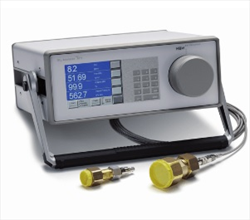
Why inspection matters for SF6 gas analyzers
SF6 gas analyzers are used in environments where measurement reliability has direct operational value. When an analyzer is used to assess gas condition in switchgear or related high-voltage assets, even small deviations in performance can affect maintenance judgment, equipment assessment, and documentation quality.
A structured inspection process helps verify the analyzer’s overall condition, confirms that key measurement functions remain stable, and supports continued use in professional maintenance settings. This is especially important for organizations that need consistency across multiple service intervals, multiple technicians, or multiple sites.
What this service typically supports
An inspection service for this type of instrument generally focuses on the analyzer’s measurement integrity, operating condition, and suitability for continued use. Depending on the device and service scope, this may involve functional checks, visual assessment, confirmation of response behavior, and review of performance related to the analyzer’s intended testing role.
For B2B users, this kind of service is particularly relevant when instruments are part of planned maintenance programs, internal quality procedures, or asset management workflows. It can also be useful before major shutdown work, after extended field use, or when an analyzer has been exposed to demanding transport and site conditions.
When to consider an inspection service
Many companies schedule inspection at regular intervals to maintain confidence in their test equipment. Others request service when they notice unstable readings, inconsistent test results, slower response than expected, or concerns after storage, shipping, or heavy field deployment.
Inspection is also worth considering when documentation quality matters for maintenance records or compliance workflows. If your testing process depends on several electrical test instruments working together, reviewing analyzer condition alongside related services such as withstand voltage test inspection support can help maintain a more consistent overall testing environment.
Fit within broader electrical test and maintenance workflows
In many facilities, an SF6 gas analyzer is not used in isolation. It often supports maintenance activity around switchgear, insulation systems, and power distribution assets where several test instruments contribute to a complete picture of equipment condition. That is why inspection planning is often more effective when viewed as part of a wider electrical test equipment program.
For example, teams working on circuit protection and switching assets may also review related services such as breaker testing equipment inspection service. In cable-focused maintenance environments, pairing analyzer oversight with cable fault tester inspection service may support a more complete maintenance strategy.
How to evaluate service suitability
When selecting an inspection service, it is useful to consider how the analyzer is actually used in your operation. Key questions include whether the instrument is mainly used for routine periodic checks or for more critical diagnostic work, how frequently it is transported between sites, and whether the results feed into formal reports or maintenance decisions.
It is also important to look at service fit in terms of turnaround expectations, equipment condition history, and how the analyzer relates to other instruments in your maintenance inventory. Organizations that manage a wider set of resistance, insulation, or dielectric test devices may also benefit from reviewing complementary options such as low resistance meter inspection service where relevant.
Benefits for industrial and utility users
For utilities, industrial plants, service contractors, and maintenance departments, a dedicated inspection service helps reduce uncertainty around a specialized test instrument that may not be used every day but remains important when needed. A verified analyzer condition can support smoother field preparation, fewer interruptions during testing, and better alignment between technicians, supervisors, and maintenance planners.
There is also a practical asset-management benefit. Instead of waiting for obvious failure or questionable readings in the field, organizations can use inspection to support more proactive equipment control. This approach is often more efficient for teams responsible for multiple instruments across electrical maintenance, commissioning, and troubleshooting activities.
Choosing the right time to schedule inspection
The best timing depends on usage patterns, internal quality requirements, and operating conditions. Instruments used frequently in substations or demanding field environments may need closer attention than units stored for occasional work, but both scenarios can benefit from periodic review to confirm readiness.
If your team depends on dependable measurement data to plan maintenance actions, inspection should be considered part of routine equipment care rather than an afterthought. That mindset helps protect the value of the analyzer itself while supporting safer and more consistent maintenance decisions across the wider electrical testing process.
Final considerations
A well-timed SF6 Gas Analyzer Inspection Service supports confidence in measurement results, helps maintain instrument readiness, and fits naturally into broader electrical maintenance quality control. For organizations working with high-voltage assets, this service can be an important step in keeping test equipment dependable and maintenance workflows better informed.
If you are reviewing service options for multiple instruments, it is often worth considering the full testing ecosystem rather than evaluating each device in isolation. That broader view makes it easier to maintain consistent performance across the equipment your team relies on in the field and in the workshop.
Get exclusive volume discounts, bulk pricing updates, and new product alerts delivered directly to your inbox.
By subscribing, you agree to our Terms of Service and Privacy Policy.
Direct access to our certified experts