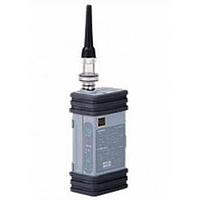
Single Gas Meter Inspection Service
Accurate gas measurement is not just a compliance issue; it directly affects worker safety, maintenance decisions, and the reliability of monitoring programs. When a portable or dedicated instrument is used to track one target gas, regular inspection helps confirm that the device still responds correctly, reads consistently, and remains suitable for field use. This is especially important in environments where a delayed alarm or inaccurate reading can lead to avoidable risk.
Single Gas Meter Inspection Service is intended for instruments designed to monitor one specific gas parameter. Whether the device is used for carbon monoxide checks, VOC monitoring, or general single-gas detection tasks, inspection supports confidence in day-to-day operation and helps identify wear, drift, sensor issues, or other problems before they affect measurement results.
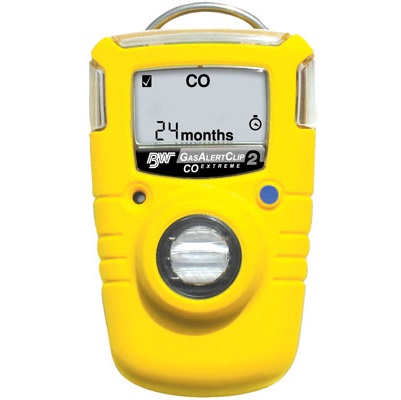
Why inspection matters for single-gas instruments
Single-gas meters are often selected because they are simple to deploy, easy to carry, and focused on a specific hazard. That simplicity does not remove the need for periodic inspection. Sensors can drift over time, housings and filters can degrade, and exposure history may affect response behavior, especially in demanding industrial or environmental conditions.
A structured inspection process helps verify the overall condition of the instrument, not only its basic power-on status. For users responsible for safety routines, maintenance planning, or equipment control, this service supports a more dependable measurement chain and reduces uncertainty when instruments are returned to operation.
Typical devices covered in this category
This category is relevant to a wide range of single-gas monitoring equipment used in industrial plants, utilities, laboratories, HVAC work, indoor air checks, and environmental measurement. Examples from this range include the Chauvin Arnoux Air Quality Meter Inspection Service, the RAE VOC Monitor Inspection Service, and the BKPRECISION Carbon Monoxide (CO) Meter Inspection Service.
It also applies to general-purpose single-gas detectors from manufacturers such as TESTO, Aeroqual, COSMOS, PCE, and EXTECH. Depending on the device type, inspection may focus on response behavior, sensor condition, display and alarm functions, basic operational integrity, and the overall readiness of the instrument for continued use.
Common application environments
Single-gas meters are used in many settings where one gas parameter is the main concern. Examples include CO checks in enclosed workspaces, VOC monitoring in maintenance or process areas, and targeted gas safety checks during service visits, inspections, or routine plant rounds. In these situations, a dependable reading is often more important than having a multi-parameter instrument.
Because operating conditions vary, inspection is valuable across many use cases: facility maintenance, manufacturing, environmental health and safety programs, building services, and temporary field assessment. For broader needs involving indoor environment instruments, users may also review the related air quality meter inspection service category.
What an inspection service helps you evaluate
The goal of inspection is to assess whether the instrument remains suitable for practical use and whether there are visible or functional issues that require attention. In a typical workflow, this can include checking physical condition, key controls, display behavior, alarms, response stability, and general operating status. For service teams and purchasing departments, this creates a clearer basis for maintenance and replacement decisions.
For a single gas meter, special attention is usually given to the condition of the sensing path and the consistency of measurement performance over time. If the instrument is used as part of a larger gas safety program, inspection also helps standardize equipment condition across teams and locations, which is useful for companies managing multiple devices from different brands.
Choosing the right service path for your equipment
Not every gas-measuring instrument belongs in the same service category. A dedicated single-gas device should be separated from fixed systems, combustion analyzers, or broader air-monitoring instruments so the inspection workflow matches the actual equipment design and intended use. This helps avoid confusion and ensures the service scope is aligned with the instrument’s role in the field.
If your equipment is permanently installed rather than portable, the more suitable option may be the fixed gas meter inspection service. For devices used in flue gas or combustion-related diagnostics, the combustion and emission gas analyzer inspection service may be more appropriate.
Supported brands and example service coverage
This category includes inspection service examples associated with well-known instrument manufacturers used in industrial and technical measurement. Featured names in this range include Chauvin Arnoux, TESTO, Aeroqual, BKPRECISION, COSMOS, DEFELSKO, EXTECH, KANOMAX, PCE, and RAE. The emphasis is not on brand promotion, but on supporting users who manage mixed fleets of gas detection and meter equipment.
Representative service items in this category include the Aeroqual Single Gas Detector Inspection Service, the KANOMAX Single Gas Detector Inspection Service, the DEFELSKO Single Gas Detector Inspection Service, and the PCE Single Gas Detector Inspection Service. These examples illustrate the practical scope of the category: inspection for devices that are built around one gas target and used where direct, focused measurement is required.
When to consider inspection
Inspection is worth considering whenever there is uncertainty about the instrument’s condition, after long service intervals, after exposure to harsh environments, or before putting an important device back into regular use. It can also be useful when equipment is reassigned between teams, returned from storage, or included in periodic asset review programs.
For many organizations, the best approach is preventive rather than reactive. A scheduled inspection strategy can help identify issues earlier, support safer operation, and reduce disruption caused by instruments that fail checks at the moment they are needed most. That is particularly relevant for devices used in personal safety workflows or in task-based gas verification.
Practical value for maintenance and safety teams
For B2B users, an inspection service is not only about the instrument itself. It also supports documentation, equipment management, and consistent maintenance planning across departments. Teams responsible for EHS, plant maintenance, building services, or technical procurement often need a clear way to sort instruments by type and apply the right service process to each one.
When your operation relies on targeted gas measurement, choosing the correct inspection service for the device class helps maintain confidence in readings and improves service efficiency. This category is designed for organizations using dedicated single-gas instruments and looking for a practical path to keep those meters in suitable working condition over time.
For facilities that depend on reliable gas monitoring, selecting the right service category is a practical first step. If your equipment is designed to monitor one gas parameter at a time, this section provides a focused route to evaluate instrument condition, support ongoing use, and keep your measurement program organized as your fleet grows.
Get exclusive volume discounts, bulk pricing updates, and new product alerts delivered directly to your inbox.
By subscribing, you agree to our Terms of Service and Privacy Policy.
Direct access to our certified experts