
GPS Inspection Service
Accurate position data matters in surveying, field maintenance, logistics, utility work, and many other technical operations. When a GPS device is used for measurement, navigation support, inspection tasks, or operational reporting, its condition and performance should be checked regularly to reduce errors, unexpected downtime, and uncertainty in the field. GPS Inspection Service helps organizations verify the working status of their equipment and maintain confidence in daily use.
This category is intended for businesses and technical teams that need a practical service for evaluating GPS equipment as part of routine maintenance, compliance procedures, or asset management. Whether the goal is to confirm basic functionality, identify performance issues, or prepare devices for continued deployment, inspection is an important step in keeping equipment dependable over time.
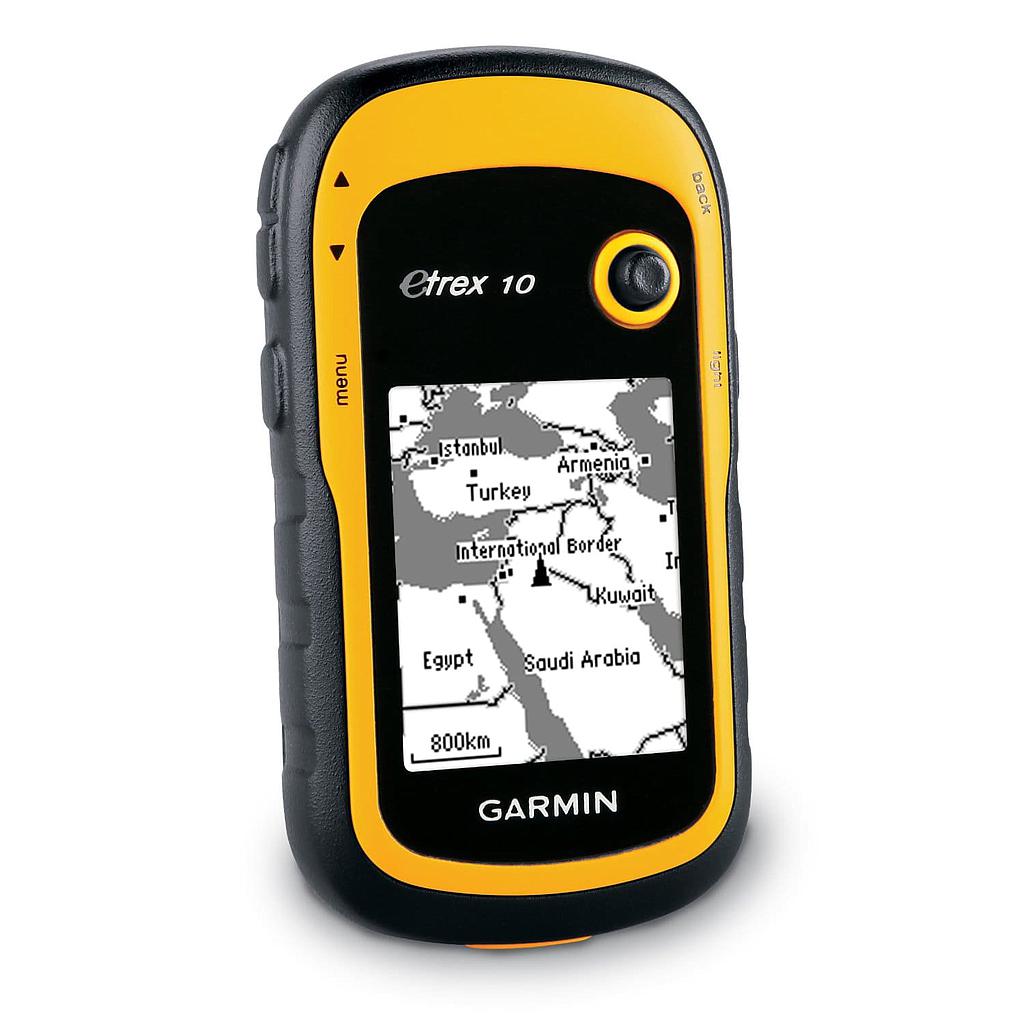
Why GPS equipment inspection is important
GPS devices are often exposed to real operating conditions such as vibration, dust, transport, outdoor weather, and repeated field use. Over time, these factors can affect connectors, buttons, displays, power stability, signal reception, and overall usability. A structured inspection process helps detect these issues before they interrupt work.
For B2B users, the value of inspection is not limited to fault finding. It also supports equipment reliability, better maintenance planning, and more consistent performance across fleets of devices. This is especially relevant when GPS units are part of broader inspection, communication, or navigation workflows.
What a GPS inspection service typically helps you evaluate
The exact scope can vary by device and service process, but GPS inspection generally focuses on the operational condition of the equipment rather than only its appearance. This may include checking whether the device powers on correctly, responds normally during use, and shows signs of wear or handling damage that could affect serviceability.
Inspection can also help confirm whether the unit remains suitable for continued field operation. In many technical environments, this kind of review is useful for identifying devices that need maintenance, replacement planning, or more detailed troubleshooting. For organizations managing multiple instruments, it becomes part of a more controlled asset lifecycle approach.
Suitable use cases for business and technical teams
This service is relevant for companies and departments that rely on GPS equipment in daily operations. Examples include engineering teams, service contractors, utility operators, infrastructure maintenance groups, inspection teams, and organizations that assign portable positioning devices to mobile staff. In these settings, even small equipment issues can affect reporting accuracy, route efficiency, or job completion time.
GPS inspection is also useful before redeployment, after intensive field campaigns, or during periodic maintenance intervals. If your workflow includes related communication or test equipment, you may also want to review services such as walkie-talkie inspection service or radio stations tester inspection service for a more complete equipment support plan.
How to choose the right inspection service
When selecting a service, it is useful to start with the role of the device in your operation. Some businesses only need a periodic condition check for general field readiness, while others require inspection as part of internal quality procedures, maintenance documentation, or handover between teams. Defining the usage context helps ensure the service matches actual operational needs.
You should also consider the device population you manage, the importance of uptime, and whether the inspected units are standalone tools or part of a larger equipment ecosystem. A focused category such as GPS inspection services is particularly relevant when positioning devices play a direct role in field execution and traceability.
Representative service option in this category
One of the referenced offerings in this category is the CEM GPS Inspection Service. This service can be considered by users who work with GPS-related equipment and are looking for an inspection option within this product group. Rather than choosing only by name, it is better to align the service with the type of device, usage frequency, and operational risk associated with your application.
For buyers already using equipment from CEM, service continuity and brand familiarity may also be part of the selection process. In B2B procurement, that often matters when standardizing support procedures across multiple devices or service intervals.
Inspection as part of a broader maintenance strategy
Many organizations treat inspection as one element within a larger maintenance workflow. That workflow may include intake checks, routine condition reviews, repair decisions, device rotation, and record keeping for internal control. In this context, GPS inspection supports more than immediate functionality; it helps teams manage risk and make better decisions about equipment readiness.
For companies with distributed assets, periodic inspection can reduce uncertainty when devices move between projects, departments, or field crews. It can also help procurement and maintenance teams prioritize which units remain fit for use and which may require additional attention before they return to operation.
When to consider scheduling GPS inspection
There are several practical moments when inspection becomes especially relevant. These include after prolonged field deployment, before critical projects, when users report unstable behavior, or during scheduled service intervals for operational equipment. Even if a device still powers on, hidden wear or gradual performance issues may justify a formal check.
Inspection is also worth considering when equipment is being prepared for reassignment, storage, or continued use in demanding environments. A timely review can help avoid preventable disruptions and support a more predictable service process across your technical assets.
Support more reliable field operation
Choosing the right GPS inspection approach helps businesses maintain confidence in the tools their teams depend on every day. From routine condition assessment to service planning across a wider equipment fleet, this category supports organizations that need a practical way to monitor device condition and sustain dependable field performance.
If your operation depends on accurate positioning and stable portable equipment, a structured inspection service is a sensible step toward better maintenance control, reduced interruptions, and more informed equipment decisions over time.
Get exclusive volume discounts, bulk pricing updates, and new product alerts delivered directly to your inbox.
By subscribing, you agree to our Terms of Service and Privacy Policy.
Direct access to our certified experts
