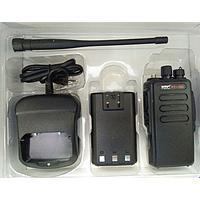
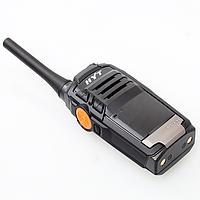
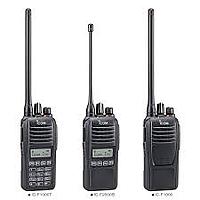
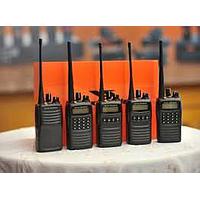
Walkie-talkie Inspection Service
Reliable two-way radio communication is critical in security, construction, logistics, manufacturing, and field operations. When handheld radios are used every day, periodic inspection helps verify that the equipment still performs as expected, reduces the risk of communication failure, and supports more predictable maintenance planning. This is especially important for organizations that manage multiple devices across teams, sites, or shifts.
Walkie-talkie Inspection Service is intended for businesses that need a practical way to check the condition and performance of portable radios in regular operation. Whether you use radios for internal coordination, emergency response, or site-wide communication, a structured inspection process can help identify wear, signal-related issues, or general equipment degradation before these problems affect daily work.
Why walkie-talkie inspection matters in daily operations
In many industrial and commercial environments, two-way radios are exposed to demanding conditions such as dust, humidity, movement, vibration, and frequent handling. Over time, these factors may affect audio quality, transmission consistency, controls, connectors, or overall usability. An inspection service helps organizations review equipment status in a more systematic way instead of waiting until a device fails in the field.
For B2B users, the value of inspection is not limited to a single unit. It is also about maintaining a dependable communication fleet. When multiple radios must work together across departments or teams, routine checks support operational continuity and make it easier to plan servicing, replacement, or follow-up actions based on actual device condition.
What this service category is designed for
This category focuses on inspection services for handheld walkie-talkies used in professional environments. The goal is to assess radio condition and help determine whether a device remains suitable for ongoing use, requires maintenance attention, or should be evaluated further. This type of service is relevant for companies using licensed or license-free radios in warehouses, factories, security posts, maintenance teams, and outdoor work sites.
If your organization also manages related equipment, it can be useful to review other service areas such as GPS inspection service or radio stations tester inspection service where those devices are part of the same communication workflow.
Typical inspection considerations for handheld radios
A walkie-talkie inspection service may involve reviewing the general operating condition of the unit, including transmission and reception behavior, audio clarity, basic functional response, and visible physical wear. In practice, inspection also helps reveal signs of aging that are not always obvious during casual use, such as unstable operation, inconsistent controls, or weak communication performance under normal working conditions.
For companies responsible for equipment availability and safety procedures, this type of service supports better decision-making. Instead of replacing devices too early or continuing to use uncertain equipment for too long, teams can work from a clearer picture of the current radio fleet. That is particularly useful when radios are shared among operators or rotated between shifts.
Support for major radio brands used in business environments
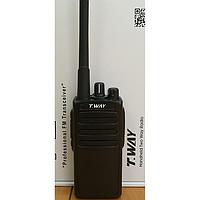
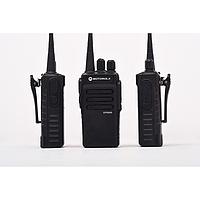
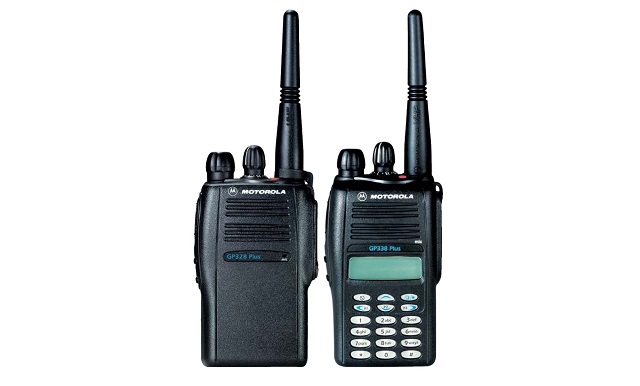
Many organizations standardize on well-known radio manufacturers to simplify training, battery management, accessories, and deployment. This category includes service examples related to brands such as Kenwood, MOTOROLA, Vertex Standard, ICOM, T-Way, and KBC. Brand-specific service listings can help buyers and maintenance teams quickly find the most relevant option for the radios already in use.
Examples in this category include the Kenwood Walkie-talkie Inspection Service, MOTOROLA Walkie-talkie Inspection Service, Vertex Standard Walkie-talkie Inspection Service, ICOM Walkie-talkie Inspection Service, T-Way Walkie-talkie Inspection Service, and KBC Walkie-talkie Inspection Service. These examples are useful for orientation when your equipment fleet includes one or more of these brands and you want a service path aligned with your installed base.
How to choose the right inspection service
Selection usually starts with the radios currently deployed in your operation. If your organization uses a single brand across all sites, choosing a matching service listing is straightforward. If you manage a mixed fleet, it is often helpful to group radios by manufacturer or by operating purpose so the inspection process can be organized more efficiently.
You should also consider usage intensity, operating environment, and the impact of downtime. Radios used in harsh or high-traffic settings may need closer attention than units used occasionally in low-risk environments. A well-chosen inspection service helps maintenance teams prioritize resources, especially when communication reliability is tied to coordination speed, worker safety, or service continuity.
When inspection is especially useful
There are several situations where a formal radio inspection becomes more valuable. These include devices that have been in service for a long period, radios that show inconsistent audio or range behavior, units returned from field teams after heavy use, or equipment being reviewed before redistribution to another department or site. Inspection is also useful when companies want to standardize the condition of radios before inventory planning or maintenance scheduling.
For organizations that treat communication equipment as part of a larger asset management program, regular review creates a clearer maintenance history. It also helps distinguish between issues related to the radio unit itself and problems that may involve broader test or support equipment. In some cases, businesses may complement this category with the broader walkie-talkie inspection service overview when comparing service scope across multiple radio assets.
Examples of service options in this category
Featured listings in this category represent inspection services for commonly used handheld radio brands in professional settings. These include MOTOROLA Walkie-talkie Inspection Service, T-Way Walkie-talkie Inspection Service, Vertex Standard Walkie-talkie Inspection Service, Kenwood Walkie-talkie Inspection Service, ICOM Walkie-talkie Inspection Service, and KBC Walkie-talkie Inspection Service.
Rather than viewing these as simple brand labels, it is better to treat them as entry points for a more relevant service search. If your purchasing or maintenance team already knows the installed manufacturer, starting from the corresponding listing can save time and improve the quality of service selection. This is especially useful when managing brand-specific equipment fleets across multiple teams.
Choosing a practical path for equipment maintenance
Professional radios are often expected to work without interruption, even in fast-moving and demanding environments. A structured inspection approach helps businesses evaluate device condition more consistently, reduce uncertainty around aging equipment, and support better planning for maintenance or replacement.
If your operation depends on handheld radio communication, this category offers a focused starting point for reviewing available service options by brand and application context. A clear inspection process supports reliable communication equipment management and helps keep essential field and site coordination running smoothly.
Get exclusive volume discounts, bulk pricing updates, and new product alerts delivered directly to your inbox.
By subscribing, you agree to our Terms of Service and Privacy Policy.
Direct access to our certified experts