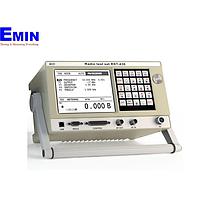
Radio Stations Tester Inspection Service
Reliable communication equipment depends not only on the radios in the field, but also on the instruments used to verify them. When a radio station tester is out of tolerance, every measurement that follows can become questionable. That is why a professional Radio Stations Tester Inspection Service is an important part of maintenance programs for telecom teams, service centers, defense contractors, public safety organizations, and industrial users who work with RF equipment.
This category focuses on inspection services for radio station testers used to check transmitter, receiver, and general communication device performance. Regular inspection helps confirm that the instrument is operating correctly, supports more dependable test results, and reduces the risk of hidden measurement errors during troubleshooting, acceptance testing, or periodic maintenance.
Why inspection matters for radio station testers
Radio station testers are often used as reference instruments in service workflows. If the tester itself is not checked on a routine basis, technicians may spend time investigating a radio that is actually functioning properly, or worse, pass equipment that should have been adjusted or repaired. Inspection helps verify the condition of the instrument and supports confidence in daily test work.
For organizations that handle scheduled maintenance, quality control, or compliance-oriented processes, inspection also contributes to better documentation and equipment traceability. It is especially relevant where communication reliability affects operational continuity, field coordination, or safety-critical response.
What this service typically supports
A radio station tester inspection service is intended for instruments used in evaluating communication devices across repair benches, maintenance workshops, and technical support environments. The goal is not to describe every device in the same way, but to confirm that the tester remains suitable for its intended measurement role.
In practical terms, inspection may be useful when an instrument has been used continuously in service operations, moved between job sites, stored for long periods, or exposed to demanding conditions. It can also be a sensible step before major maintenance cycles or before using the tester as part of a broader equipment verification program.
- Support more consistent RF-related testing workflows
- Help identify performance drift, wear, or condition issues
- Improve confidence before using the tester on critical communication equipment
- Provide a clearer basis for maintenance planning and service decisions
Suitable use cases across communication maintenance environments
This service is relevant in many technical settings where communication devices are checked, maintained, or validated. Service teams may use radio station testers to assess portable radios, mobile units, base communication systems, or supporting RF equipment. In these cases, the condition of the tester directly influences the credibility of the measurement process.
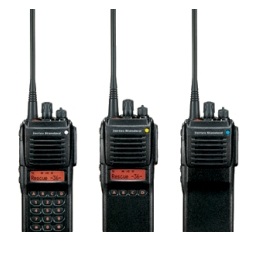
It also fits organizations that manage mixed fleets of communication and navigation equipment. If your workflow includes related assets, you may also want to review walkie-talkie inspection services or GPS inspection services to keep supporting instruments and field devices aligned within the same maintenance framework.
Representative service item in this category
One example in this category is the Kontour Radio stations tester Inspection Service. It illustrates the type of service offering intended for organizations that use dedicated radio testing instruments and want a structured inspection process as part of ongoing asset management.
For buyers who already standardize around a specific supplier, the Kontour brand page can provide additional context on related offerings. This can be useful when comparing service scope across equipment types or planning inspection support for a broader installed base.
How to evaluate the right inspection service
Choosing an inspection service should begin with the role of the tester in your operation. A unit used occasionally in a small workshop may have different service priorities than an instrument used every day in a repair center or field-support environment. The more central the tester is to your workflow, the more important inspection frequency and service traceability become.
It is also helpful to consider the age of the instrument, how often it is transported, the conditions in which it is stored, and whether it supports internal quality procedures. If the tester is a key checkpoint in diagnosing radio performance, then periodic inspection helps preserve consistency across technicians, sites, and maintenance records.
Inspection service within a broader RF equipment strategy
Many organizations do not manage radio station testers as isolated assets. They are part of a wider ecosystem that may include radios, handheld communication devices, navigation units, and other support instruments. A good maintenance strategy treats inspection as one element of overall equipment reliability, alongside repair planning, calibration where applicable, and lifecycle management.
When teams need a more focused view of this service area, the dedicated radio stations tester inspection service category helps narrow the selection to the most relevant options. This makes it easier to compare available service items and align them with your current testing workflow.
When to schedule inspection
There is no single interval that fits every organization, because usage patterns vary widely. Still, inspection is often worth considering after extended use, after transport between sites, when test results appear inconsistent, or when the instrument is being prepared for an important maintenance campaign. In high-accountability environments, scheduled inspection can also support internal procedures and audit readiness.
Another common trigger is operational change. If a workshop takes on more service volume, expands into new communication equipment types, or relies more heavily on one tester, it may be time to review whether the current inspection schedule still matches the actual workload.
Supporting dependable measurement workflows
Keeping a radio station tester in verified condition is a practical step toward more dependable service outcomes. Whether the instrument is used for troubleshooting, periodic checking, or supporting communication equipment maintenance, inspection helps reduce uncertainty and reinforces the quality of the overall testing process.
If your team relies on RF test instruments as part of daily operations, this category provides a focused starting point for selecting the right inspection service. A well-planned service approach can help extend instrument usability, support measurement confidence, and make maintenance decisions more informed over time.
Get exclusive volume discounts, bulk pricing updates, and new product alerts delivered directly to your inbox.
By subscribing, you agree to our Terms of Service and Privacy Policy.
Direct access to our certified experts