Radio/GPS-navigator/Binocular Inspection Service
Field communication and navigation equipment often operates in environments where failure is not a minor inconvenience but a real operational risk. In industrial sites, logistics, security teams, utilities, marine work, and outdoor inspection activities, devices such as radios, GPS navigators, and binocular-related equipment need to be checked regularly to confirm that they are functioning as expected. This category focuses on Radio/GPS-navigator/Binocular Inspection Service for organizations that need a practical way to assess equipment condition, performance, and service readiness.
Why inspection matters for field communication and navigation devices
Unlike equipment used only in controlled indoor conditions, portable communication and navigation devices are exposed to vibration, dust, humidity, transport stress, battery aging, and repeated daily handling. Over time, these factors can affect signal quality, audio clarity, charging behavior, control response, display readability, and overall reliability.
A structured inspection service helps identify wear, functional deviations, and maintenance needs before they lead to downtime in the field. For B2B users managing multiple devices, periodic checks also support better asset planning, more predictable maintenance schedules, and clearer decisions about repair, replacement, or continued deployment.
Scope of this inspection service category
This category is intended for businesses looking for inspection support for portable and field-use electronic equipment in the radio and navigation ecosystem. It includes services relevant to communication tools, positioning devices, and related optical or portable field equipment where operational confidence is important.
In practice, many customers use this category when they need evaluation of handheld radios, radio test-related devices, or equipment that supports mobile teams working across sites. If your broader maintenance needs also include instruments outside this group, you may also review electrical and electronic meter inspection services or specialty meters inspection services for adjacent requirements.
Typical equipment and brands commonly requested
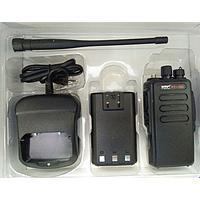
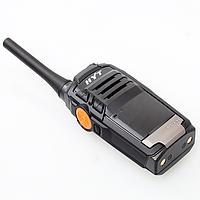
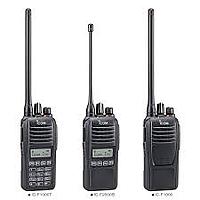
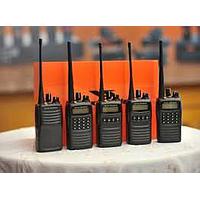
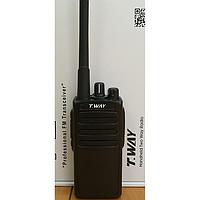
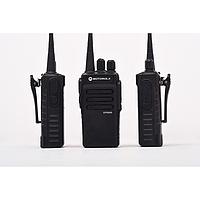
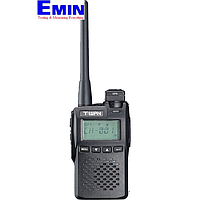
Many inspection requests in this category involve handheld communication devices used by operations, maintenance, construction, warehousing, event coordination, and security teams. Common examples include service requests related to MOTOROLA, Kenwood, ICOM, T-Way, Vertex Standard, KBC, and Kontour equipment, depending on the installed fleet and the operating environment.
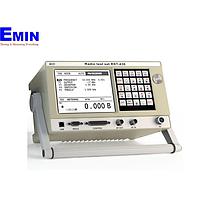
Representative services available in this category include MOTOROLA Walkie-talkie Inspection Service, Kenwood Walkie-talkie Inspection Service, ICOM Walkie-talkie Inspection Service, T-Way Walkie-talkie Inspection Service, Vertex Standard Walkie-talkie Inspection Service, KBC Walkie-talkie Inspection Service, and Kontour Radio stations tester Inspection Service. These examples show the practical orientation of the category: supporting inspection needs for real devices already used in the field, rather than providing generic information alone.
What an equipment inspection usually helps verify
The exact inspection workflow depends on the type of device, but the goal is generally the same: confirm whether the equipment remains fit for continued use. For radio-related devices, this may involve checking overall function, physical condition, user interface response, accessory connection points, and signs of abnormal operation that could affect communication quality or daily usability.
For GPS navigator or optical field equipment, inspection may focus on functional status, external condition, control behavior, and practical readiness for deployment. This type of review is especially useful when devices are shared among teams, used intermittently, or returned from demanding work environments where hidden damage is possible.
- Functional verification to detect obvious operational issues
- Condition assessment for external wear or handling-related damage
- Usability checks to support safe and efficient field operation
- Maintenance planning for fleets that require routine service oversight
How to choose the right service for your equipment fleet
For many buyers, the first step is not choosing a brand but identifying the actual use case. A warehouse communication fleet, a security patrol radio system, and a field survey navigation setup may all require inspection, but the service priorities can differ. The most efficient approach is to group devices by function, operating intensity, and criticality to operations.
If your company manages a large number of handheld units, it is useful to separate routine inspection from fault-specific troubleshooting. For example, periodic checks for widely used brands such as Kenwood, MOTOROLA, ICOM, or Vertex Standard can support preventive maintenance, while inspection of a radio stations tester can help verify the readiness of supporting test resources within the same workflow. Organizations that also maintain safety instrumentation may benefit from reviewing gas detector and meter inspection services when field equipment programs overlap.
Suitable applications across industries
This category is relevant to any operation that depends on portable coordination and field visibility. Typical use cases include factory maintenance teams, site supervisors, security departments, logistics operators, utility crews, outdoor service contractors, and infrastructure inspection teams. In these settings, communication and navigation tools are part of the daily workflow, so even minor device issues can reduce efficiency or create avoidable delays.
Inspection is also valuable when equipment is rotated between users, stored for long periods, or redeployed after transport. A simple verification step before returning devices to service can reduce uncertainty and help maintenance teams document equipment condition more consistently.
Supporting a more reliable maintenance workflow
For B2B procurement and maintenance teams, inspection services are most useful when treated as part of a larger asset management process. Instead of waiting for visible failure, many organizations schedule checks around usage cycles, project mobilization, or periodic maintenance windows. This is especially practical for handheld radios and support devices that see repeated charging, movement, and outdoor exposure.
Combining equipment inspection with clear device identification, service records, and deployment history makes future planning easier. Where businesses maintain other physical measurement tools in parallel, mechanical measuring instruments inspection services may also be relevant for a more complete maintenance program across departments.
Choosing inspection services with the right operational focus
The most effective service is not necessarily the broadest one, but the one that matches how the equipment is actually used. A fleet of walkie-talkies for daily coordination, a GPS unit for field routing, or a radio stations tester used in support tasks each brings a different inspection priority. Looking at device role, service frequency, and operational consequence of failure will help narrow the right service path.
This category is built to support those practical decisions. Whether you need inspection for communication devices from Kenwood, MOTOROLA, ICOM, T-Way, Vertex Standard, KBC, or Kontour-related equipment, the goal remains the same: maintain confidence in field-ready devices and reduce the risk of avoidable performance issues during operation.
Get exclusive volume discounts, bulk pricing updates, and new product alerts delivered directly to your inbox.
By subscribing, you agree to our Terms of Service and Privacy Policy.
Direct access to our certified experts