
Video Borescope, Camera Inspection Service
Clear visual inspection data matters when borescopes and inspection cameras are used for maintenance, quality control, and failure analysis. In many industrial environments, these devices support decisions about machine condition, weld quality, internal wear, contamination, and assembly accuracy. When image quality, probe articulation, measurement functions, or recording performance are no longer reliable, periodic verification becomes an important part of maintaining inspection confidence.
Video Borescope, Camera Inspection Service is intended for organizations that rely on visual inspection tools in production lines, plant maintenance, utilities, laboratories, and technical service operations. This category focuses on inspection support for equipment used to observe areas that are difficult or unsafe to access directly, helping users manage instrument condition and maintain dependable inspection workflows.
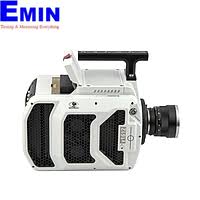
Why inspection service matters for visual inspection equipment
Borescopes and industrial inspection cameras often work in demanding conditions: confined spaces, high-use maintenance routines, field service tasks, and repeated transport between job sites. Over time, optical components, insertion tubes, articulation mechanisms, lighting systems, displays, and data capture functions may show wear or performance drift. Even when a unit still powers on, its practical inspection capability may not be at the level operators expect.
A structured inspection service helps identify issues before they affect reporting quality or maintenance decisions. For B2B users, this is especially relevant when inspection records are used to support troubleshooting, preventive maintenance, or quality documentation. The goal is not only to check whether a device works, but whether it remains suitable for its intended inspection task.
Typical equipment covered in this category
This service category applies to visual inspection instruments used to observe internal cavities, narrow passages, enclosed machine sections, and other hard-to-reach areas. Depending on the equipment type, the inspection scope may involve basic operational checks, condition review of mechanical and optical parts, and confirmation of key viewing or recording functions.
In practice, users may need support for different device formats and performance expectations. Organizations looking for more specific service paths can also review industrial video borescope inspection when the equipment is used in maintenance and internal cavity inspection, or high-speed camera inspection service for applications where motion capture performance is a key concern.
What is commonly checked during service
The exact procedure depends on the instrument design and intended use, but a useful inspection process generally looks at the condition and behavior of the device as a working system. This may include review of the camera head, image transmission path, display output, focus behavior, illumination, cable or probe condition, articulation response, connectors, housing integrity, and basic recording operation where applicable.
For many users, the most important outcome is a practical understanding of equipment status. That means determining whether the device can still support reliable visual access, whether the image remains usable for technical judgment, and whether any visible defects or handling damage could affect upcoming work. This kind of service is particularly valuable for teams that operate inspection tools across multiple technicians or multiple sites.
Common applications across industry
Visual inspection devices are used in a wide range of sectors because they reduce disassembly time and improve access to hidden areas. Typical use cases include checking internal surfaces, weld seams, tubing, cast parts, rotating machinery, heat exchangers, engines, process equipment, electronic assemblies, and production fixtures. In these settings, a small reduction in image clarity or probe control can lead to missed details or slower diagnosis.
Inspection service supports users who depend on consistent visual evidence. It is relevant not only for maintenance departments, but also for quality assurance teams, service contractors, educational labs, and technical inspection providers. Where an operation uses several types of instruments, related service categories such as electrical and electronic meter inspection service or specialty meters inspection service may also be useful as part of a broader equipment management plan.
How to decide when service is needed
Not every issue appears as a complete failure. In many cases, service is worth considering when operators notice dim or uneven lighting, unstable images, reduced articulation smoothness, external cable wear, loose connectors, display problems, battery or power irregularities, or difficulty capturing clear inspection records. Devices that are frequently transported, used in harsh environments, or shared between teams may require closer attention.
A preventive approach is often more efficient than waiting for a tool to become unusable during a job. Scheduled inspection can help reduce unplanned downtime and support more predictable maintenance planning. For organizations that also manage mechanical gauges or handheld measurement tools, mechanical measuring instruments inspection service may complement this category within the same service workflow.
Choosing the right service scope
The right service approach depends on how the equipment is used, how critical the inspection results are, and whether the device supports routine maintenance, formal reporting, or specialized technical analysis. A general review may be suitable for basic condition assessment, while more focused service may be preferable for equipment used in repetitive production checks or detailed internal diagnostics.
It is also helpful to consider the operating environment, handling frequency, and required level of image reliability. For example, equipment used only occasionally for simple visual confirmation may have different service priorities than devices used daily for defect detection or internal condition documentation. Matching service scope to real operating conditions helps keep inspection resources practical and cost-aware.
Supporting reliable inspection workflows
Visual inspection tools are often part of a larger decision chain. Their output may feed maintenance reports, quality records, service recommendations, and troubleshooting actions. Because of that, keeping these devices in sound working condition supports more than just the instrument itself; it supports the consistency of the overall inspection process.
This category is designed to help buyers and technical teams find appropriate support for borescopes and inspection cameras used in professional environments. If your operation depends on accurate visual access to confined or internal areas, selecting a suitable service path can help maintain equipment readiness, improve confidence in inspection results, and reduce avoidable disruptions in the field or on the production floor.
Get exclusive volume discounts, bulk pricing updates, and new product alerts delivered directly to your inbox.
By subscribing, you agree to our Terms of Service and Privacy Policy.
Direct access to our certified experts