
Industrial video borescope Inspection Service
When critical components are hidden inside housings, pipelines, turbines, welds, or narrow cavities, visual access becomes a major challenge. In these situations, industrial video borescope inspection service helps maintenance teams, quality engineers, and plant operators inspect internal areas without unnecessary disassembly, reducing downtime while improving diagnostic accuracy.
This type of inspection is widely used in manufacturing, energy, process industries, heavy equipment maintenance, and technical troubleshooting. It is especially useful when a direct line of sight is not available but a reliable visual check is still required to assess wear, foreign material, corrosion, cracking, buildup, or assembly conditions.
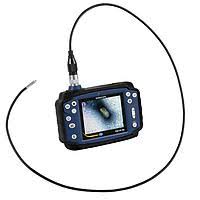
Why industrial borescope inspection is used in technical environments
Many industrial assets contain enclosed or hard-to-reach sections that cannot be evaluated from the outside. Internal visual inspection allows teams to check component condition before deciding whether further teardown, repair, or replacement is necessary. This supports more informed maintenance planning and helps avoid unnecessary intervention.
An industrial borescope is typically applied where access is limited but visual evidence is essential. Common inspection targets may include internal passages, mechanical assemblies, welded joints, cast sections, process equipment, and areas where contamination or physical damage may affect performance. In practice, this makes borescope inspection a practical tool for both routine checks and failure analysis.
What this service helps you evaluate
The main value of a borescope-based service is the ability to examine internal surfaces and hidden features with minimal disruption. Depending on the inspection task, it can help identify signs of surface damage, debris, corrosion, residue, blockage, misalignment, or other visible abnormalities that may influence safety, reliability, or process stability.
For industrial users, the goal is not simply to “look inside,” but to obtain useful visual information that supports a technical decision. That may involve determining whether a component can remain in service, whether cleaning is required, whether a defect warrants additional testing, or whether a shutdown can be postponed or should be scheduled sooner.
Typical application scenarios
Industrial video borescope inspection is relevant across a wide range of sectors because internal condition often affects equipment availability and product quality. It can be used during preventive maintenance, incoming inspection, in-process quality checks, shutdown planning, and post-failure investigation.
In production and maintenance settings, this approach is often chosen when direct access is costly or time-consuming. Instead of dismantling an entire assembly immediately, teams can perform a targeted visual inspection first and then decide on the next step based on actual findings. For organizations that also require broader imaging support, related options such as high-speed camera inspection service may be useful in applications involving fast motion or transient events.
Benefits of a non-destructive visual inspection approach
One of the key advantages of this service is that it supports non-destructive inspection of inaccessible areas. By reducing the need for full disassembly, it can help lower labor demands, shorten diagnostic time, and limit the risk of disturbing adjacent components that are functioning properly.
It also improves traceability in maintenance and quality workflows because inspection results can be reviewed and compared over time. Visual records are often valuable when discussing equipment condition with operations, engineering, or external stakeholders. In many cases, internal imaging provides the first layer of evidence before moving on to more specialized analysis or repair action.
How to determine whether this service fits your inspection need
This service is a strong fit when the suspected issue is likely to be visible and the area of interest can be reached through an existing opening or limited access path. It is especially relevant for checking enclosed structures where internal condition matters but immediate teardown would be inefficient, expensive, or operationally disruptive.
Before selecting a service, it is helpful to define the inspection objective clearly: are you looking for contamination, wear, damage, assembly verification, or blockage? The answer affects how the inspection is planned and what level of visual detail is required. If your requirement is more focused on internal cavity examination with specialized optical access, you can also explore the broader industrial borescope inspection service offering in the context of your maintenance workflow.
Role in maintenance, troubleshooting, and quality control
In modern industrial operations, inspection is most useful when it contributes directly to decision-making. A borescope service can support condition-based maintenance by helping teams verify internal status before opening equipment. It can also assist troubleshooting when symptoms suggest a hidden internal issue but the root cause has not yet been confirmed.
From a quality perspective, internal visual checks may help detect process-related defects, incomplete cleaning, residual material, or hidden irregularities that are not visible from the exterior. This makes the service relevant not only after problems occur, but also during planned quality assurance activities where internal features must be reviewed efficiently.
Choosing a practical inspection partner
For B2B users, the right service is not only about access to imaging tools, but also about understanding the inspection objective and the operational context. Industrial environments often require clear communication around component geometry, access limitations, downtime windows, and the type of findings that matter to maintenance or quality teams.
A well-scoped inspection process should help you move from observation to action. That means the inspection should be aligned with the asset condition questions you need answered, whether for routine maintenance, repair planning, process verification, or technical investigation. Where broader imaging-based assessment is needed within the same ecosystem, the wider video borescope and camera inspection service category provides additional context for related service options.
Conclusion
Internal defects and hidden surface conditions are difficult to assess without the right inspection method. An industrial video borescope inspection service gives technical teams a practical way to examine inaccessible areas, gather visual evidence, and make more confident maintenance or quality decisions without defaulting to full disassembly.
If your application involves enclosed components, narrow access points, or equipment where internal condition needs to be checked efficiently, this service can be a useful part of a broader inspection strategy. The most effective approach starts with a clear inspection objective and a method matched to the operating environment, access constraints, and the type of issue being investigated.
Get exclusive volume discounts, bulk pricing updates, and new product alerts delivered directly to your inbox.
By subscribing, you agree to our Terms of Service and Privacy Policy.
Direct access to our certified experts