Strength Meter
Reliable strength data is essential wherever concrete, mortar, or cement performance affects safety, acceptance, and construction timing. In practice, engineers and testing teams need more than visual inspection or experience on site; they need measurable results that help confirm whether a material has reached the required performance level. That is where a Strength Meter category becomes valuable, bringing together equipment used for compression testing, early-age assessment, and durability-related evaluation in construction and materials laboratories.
This category is relevant for both laboratory and field workflows, from routine compressive strength checks to more specialized tests linked to curing, sprayed concrete, carbonation, or long-term material behavior. Depending on the application, the right instrument may be a hydraulic compression testing machine, a pullout tester for in-place concrete, or a dedicated chamber used to study environmental effects on building materials.
Why strength testing matters in construction quality control
Concrete strength is not only a design value on paper. It influences decisions such as formwork removal, loading schedules, maintenance planning, acceptance inspection, and evaluation of existing structures. On active sites, testing helps determine whether concrete has developed enough capacity for the next construction step. In existing buildings, it supports condition assessment and verification of actual structural performance.
A well-selected strength testing solution also improves consistency between operators and across test batches. Instead of relying on assumptions, teams can work with repeatable measurements that support documentation, traceability, and quality assurance procedures.
Equipment types commonly found in this category
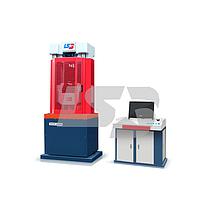
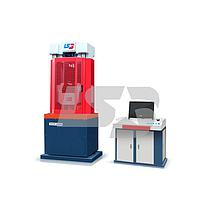
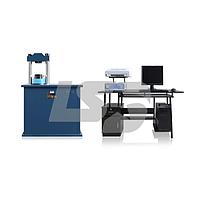
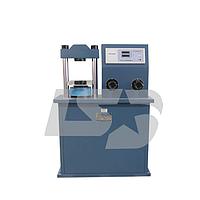
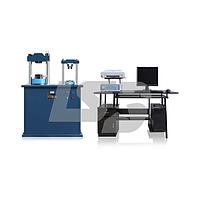
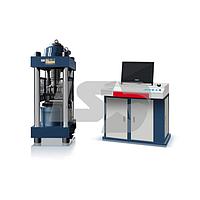
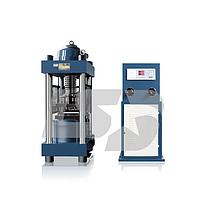
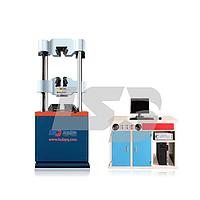
The category covers several different approaches because material strength can be evaluated in more than one way. For standard compressive strength testing, hydraulic and electro-hydraulic compression machines are widely used for concrete specimens, blocks, and cement mortar samples. For example, Samyon models such as the SYW-2000KN, SYS-2000KN, and SYW-3000KN illustrate typical high-capacity systems used when direct compression testing is required.
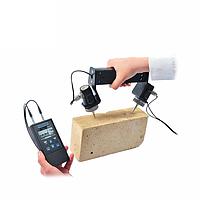
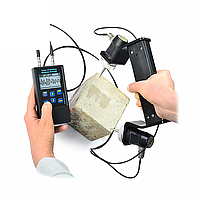
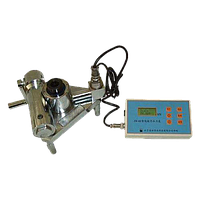
For on-site or semi-destructive assessment, the Samyon SY-II Concrete Strength Pullout Tester is used to estimate concrete strength based on pullout behavior. This type of tool is useful when evaluating the influence of transport, pouring, compaction, or curing on real structures. In early-age sprayed concrete applications, the Mecmesin VFG Compressive Strength Tester focuses on low-force penetration-based measurement, which is especially relevant when monitoring initial shotcrete development.
Some products in the category extend beyond direct force application and support material durability testing. The Ludatest CCB-70 Concrete Carbonation Test Chamber and Ludatest JKS Alkali-aggregate Testing Chamber are examples of equipment used to study how environmental conditions affect long-term performance of concrete and related materials.
Representative manufacturers and solution coverage
Several established brands appear prominently in this category, each covering different testing needs. Samyon is strongly represented with compression testing machines and pullout-based solutions for concrete strength evaluation. This makes the brand especially relevant for users looking for a broad range of equipment from routine specimen testing to in-situ assessment.
Mecmesin adds value in applications where controlled force measurement and precise readout are important, such as initial sprayed concrete testing. Ludatest broadens the scope with both hydraulic compression machines and environmental test chambers used in cement and concrete laboratories. Together, these manufacturers reflect the fact that strength evaluation is not a single test, but part of a wider quality and durability workflow.
How to choose the right strength meter for your application
The best choice depends first on what you are testing. Concrete cubes, cylinders, blocks, mortar prisms, sprayed concrete, and in-place structural elements do not all require the same method. A laboratory testing cement mortar may need a machine such as the Samyon SYW-300C, which supports compression and bending strength evaluation, while a site team assessing hardened structural concrete may prefer a pullout tester.
Capacity is the next practical consideration. Machines in this category range from lower-force instruments for specialized testing to large compression systems rated at 1000kN, 2000kN, or 3000kN. Higher capacity is not automatically better; it must match specimen type, expected strength range, and the applicable test standard used in the lab or on site.
Users should also compare control method and workflow requirements. Manual systems may suit straightforward routine testing, while electro-hydraulic or electronic control can help where loading rate consistency, repeatability, and higher throughput are important. In addition, buyers should consider available power supply, installation space, and whether the equipment will be used in a permanent lab or closer to field operations.
Strength testing in a broader inspection workflow
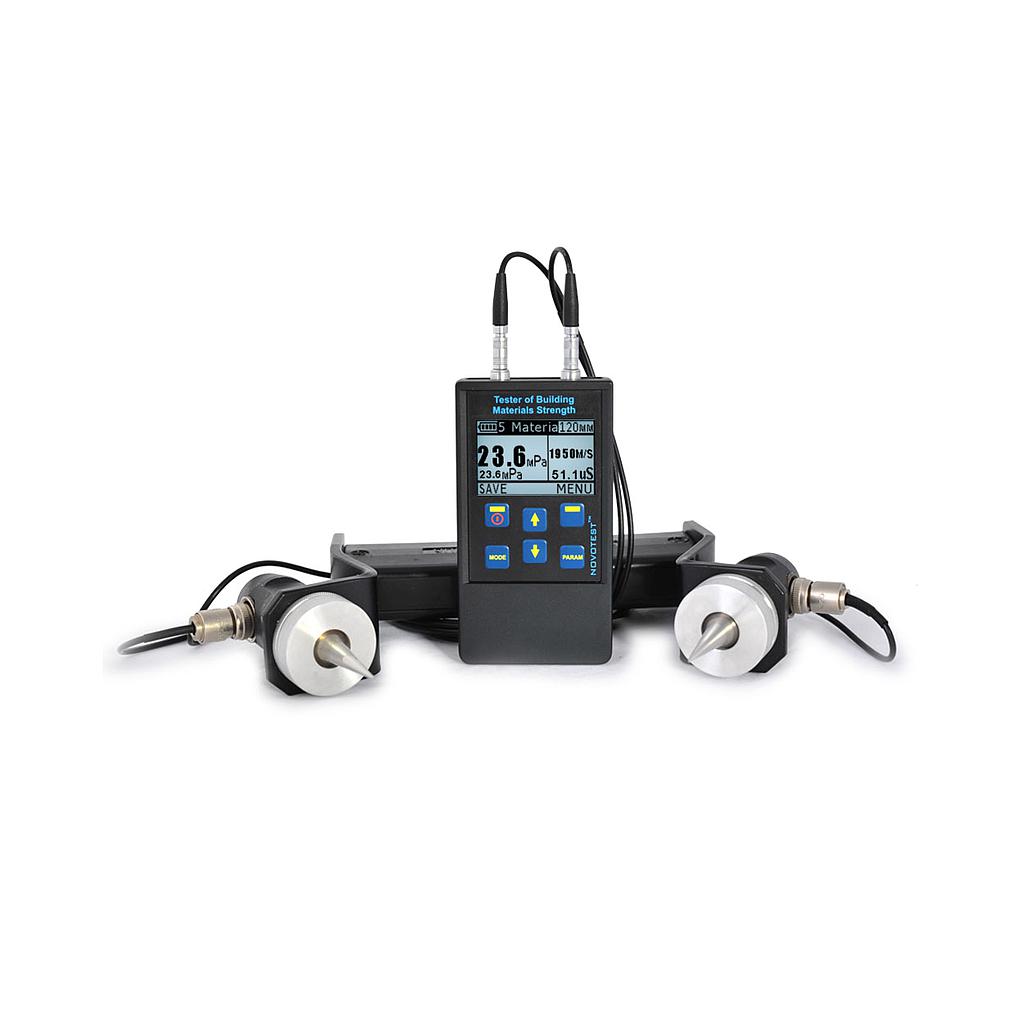
Strength measurement rarely stands alone. In many inspection programs, compressive strength results are interpreted together with reinforcement location, cover depth, surface hardness, permeability, or internal defect analysis. That is why many users also review related categories such as concrete test hammers for quick surface-based assessment and ultrasonic pulse velocity instruments for non-destructive evaluation of concrete quality and uniformity.
Where reinforcement position affects drilling, coring, or structural assessment, cover meters and rebar detectors can also be a useful complement. Combining these methods helps create a more complete picture of the structure, especially when decisions must be made on acceptance, repair, or service-life evaluation.
Examples of applications across site and laboratory work
On construction sites, strength testing supports timing decisions such as when to remove forms, apply load, or verify that concrete placement and curing have achieved the expected result. Pullout testing can be particularly useful where specimen-based results do not fully represent actual in-place conditions. For shotcrete work, early-age measurement helps teams judge material development during tunneling, slope stabilization, or other sprayed concrete operations.
In laboratories, compression testing machines remain central for standardized specimen testing and comparative quality control between batches. Environmental chambers add another layer by helping teams study carbonation behavior, freeze-thaw related exposure conditions, or alkali-aggregate effects depending on the material program. This broader view is important for projects where long-term durability matters as much as initial strength.
What to expect from a well-matched testing setup
A suitable setup should align the test method with the engineering question being asked. If the goal is routine compressive strength verification, a stable compression testing machine with appropriate capacity and control mode is usually the priority. If the need is to evaluate existing structural members without full coring programs, semi-destructive methods may offer a more practical route.
It also helps to think beyond the instrument itself. Accessories, sample preparation practices, operator familiarity, and reporting requirements all affect the usefulness of the final data. Selecting from this category is therefore less about choosing a single product name and more about building a fit-for-purpose testing process for the material, project stage, and inspection objective.
Whether the requirement is routine concrete compression testing, early-age sprayed concrete assessment, or durability-related laboratory evaluation, this Strength Meter category supports a wide range of construction testing needs. By matching the equipment type to the specimen, method, and working environment, buyers can improve result reliability and make more confident decisions throughout the quality control process.
Get exclusive volume discounts, bulk pricing updates, and new product alerts delivered directly to your inbox.
By subscribing, you agree to our Terms of Service and Privacy Policy.
Direct access to our certified experts