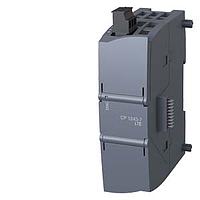
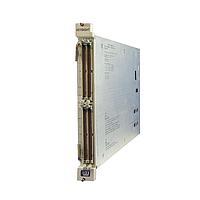
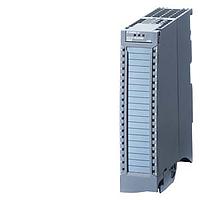
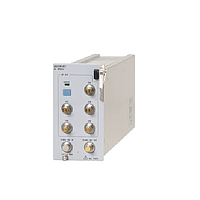
Expanding module
Modern laboratories, engineering classrooms, and research setups rarely rely on a single fixed instrument. They usually need a flexible platform that can be adapted for new signals, communication standards, measurement points, or control tasks over time. That is where expanding modules become practical: they let a system grow in a structured way instead of forcing a complete replacement of the core equipment.
In training, education, and research environments, this flexibility matters even more because requirements can change from one project to the next. A module may add switching capability, digital and analog I/O, fieldbus communication, interface connectivity, or data acquisition functions depending on the experiment or teaching objective.
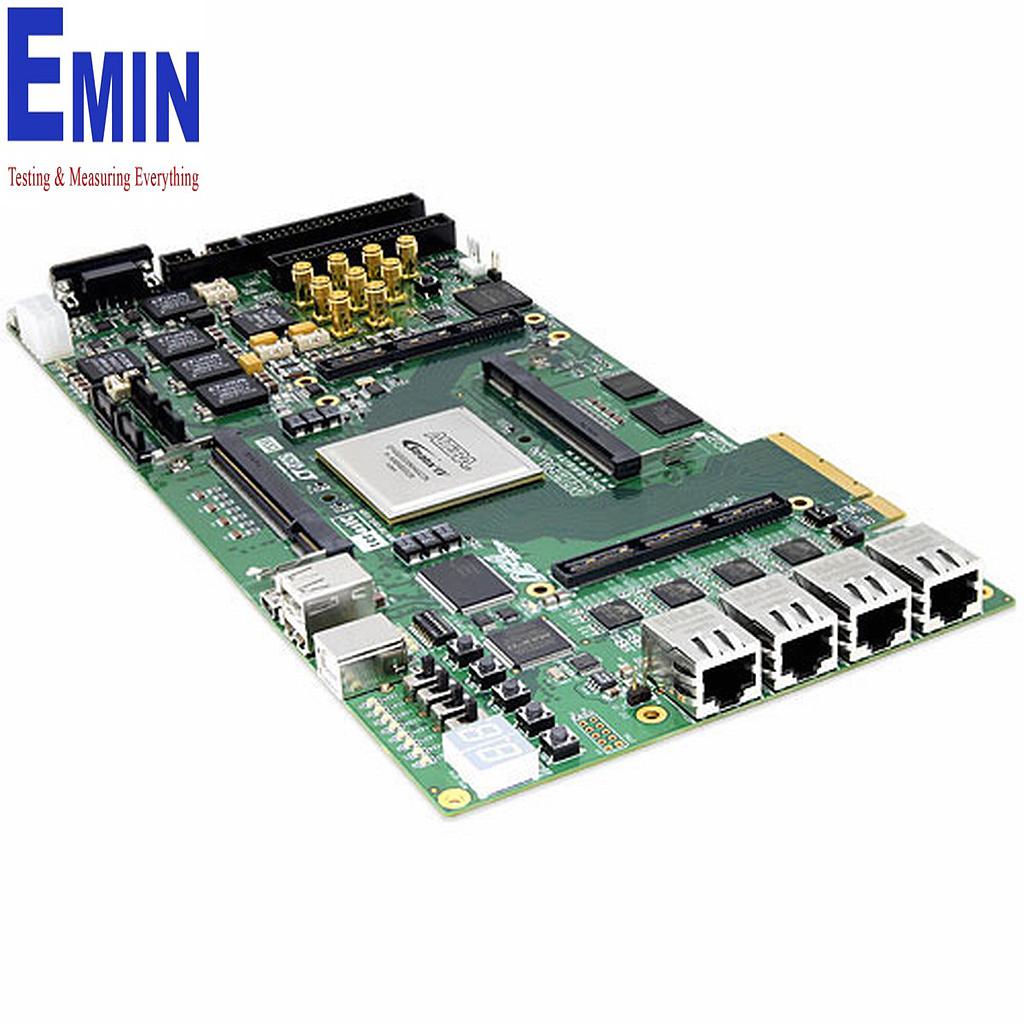
Why expanding modules matter in technical environments
An expansion architecture helps users build around a base platform instead of purchasing isolated instruments for every new task. This approach can simplify lab organization, support staged investment, and make it easier to align hardware with a specific curriculum, test procedure, or R&D workflow.
For educational institutions, modularity also supports progressive learning. Students can start with a basic setup and later work with added communication cards, acquisition modules, or switching modules as lessons become more advanced. In research and prototyping, the same idea reduces reconfiguration time when test conditions change.
Common roles of expansion modules
Although products in this category can differ significantly, most modules extend a host system in one of several clear ways. Some add communication interfaces, some expand measurement or switching capacity, and others provide supporting infrastructure such as a module base or power section.
- Interface expansion for linking instruments and computers, such as PCI-GPIB or Ethernet communication cards.
- I/O and DAQ expansion for adding digital input/output, analog outputs, counters, or multipurpose acquisition functions.
- Switching and signal routing for handling multiple channels in automated measurement or educational lab exercises.
- Bus and network modules for CAN, CANopen, or fiber-based FASTBUS communication inside distributed control or data systems.
- Platform support modules such as module bases and power modules that enable a modular rack or controller architecture.
This variety makes the category relevant across electronics training, instrumentation labs, automation teaching, and application-specific research benches. In broader learning setups, these products are often used alongside information technology training equipment where hardware integration and communication are part of the learning objective.
Representative module types in this category
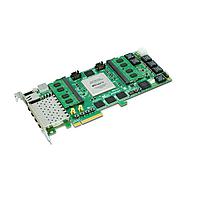
Several products in this range illustrate how different expansion needs are addressed. The KEYSIGHT 82350C PCI-GPIB Interface Card is a typical example of a PC-based interface expansion module, useful when legacy or laboratory instruments still rely on IEEE-488 communication and must be integrated into a computer-controlled setup.
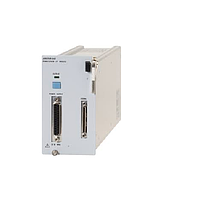
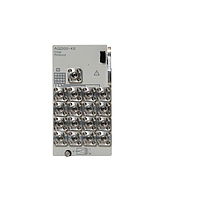
For data acquisition systems, the GW INSTEK DAQ-908 Module for DAQ-9600 adds 20-channel switching capability in an SPDT / form C configuration, while the GW INSTEK DAQ-907 Module for DAQ-9600 provides multifunction expansion with digital I/O, totalizer input, and analog output resources. These types of modules are relevant when a training bench or test platform needs more channels and more varied signal handling without changing the main DAQ frame.
In biomedical and research-oriented measurement, the Biopac MP36 Four Channel Data Acquisition System shows another side of modular expansion: precise acquisition of low-level analog signals with multi-channel capability. This kind of equipment fits naturally into physiology and experimental teaching environments, and it can complement setups used in biomedical training applications.
Communication and bus expansion for automation and distributed systems
Many modern systems depend on reliable communication between controllers, instruments, and remote nodes. Expansion modules for bus communication help integrate those networks without redesigning the full hardware platform. In practice, that means users can add CAN, CANopen, Ethernet, or optical communication according to project requirements.
The Bachmann CM202 CAN-Bus Module is an example of a communication-focused expansion device designed for CAN/CANopen environments. It is relevant where a controller must interface with multiple networked devices or where students need exposure to industrial communication concepts. Likewise, the SCHNEIDER VW3A3310D Ethernet Card reflects the role of network interface modules in drive and automation ecosystems.
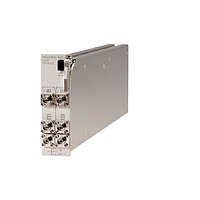
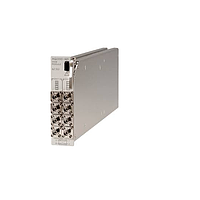
Fiber-based bus modules such as the Bachmann FM221 FASTBUS Module, FS221/N, and FS222/N highlight another use case: extending communication over optical links in distributed system layouts. These modules are especially meaningful when transmission distance, electrical isolation, or robust network structure is part of the design criteria.
How to choose the right expansion module
The right selection usually starts with the host platform compatibility. An expansion module must match the intended base system, controller, DAQ chassis, module rack, or PC interface. Before comparing technical details, it is important to confirm that the module is designed for the same equipment family or communication architecture.
Next, define the actual function required. If the goal is instrument connectivity, a GPIB or Ethernet interface card may be the right fit. If the task involves additional switching points or mixed-signal operation, DAQ modules with digital, analog, or relay-based functionality are more appropriate. For controller networking, CAN or optical bus modules may be the better direction.
Finally, review practical operating factors such as channel count, signal type, supported bus standard, installation environment, and expected future expansion. In training labs, flexibility often matters as much as raw performance because a single platform may be reused across different exercises. In research projects, measurement resolution, isolation, and communication stability may carry more weight.
Examples of modular ecosystems in this category
Not every expansion product is a signal-processing module on its own. Some items serve as structural or power elements within a modular system. The YOKOGAWA GM90MB-01N0 Module Base and YOKOGAWA GM90PS-1N1D0 Power module are good examples of supporting components that help build the overall platform needed for measurement or control expansion.
Similarly, starter and development kits such as the SciLab EFR32BG21 Wireless Starter Kit can play a role in education and prototyping workflows where expansion is tied to wireless experimentation, embedded development, or proof-of-concept work. In those cases, the module is part of a broader learning path rather than a standalone production device.
Because training and research requirements vary widely, expanding modules are often selected together with other hands-on platforms, including application training systems or foundational lab setups in basic practice equipment.
Where these modules are typically used
This category is relevant across universities, vocational schools, industrial training centers, and R&D departments. In teaching environments, modules support structured demonstrations of measurement chains, communication standards, control signals, and instrumentation interfacing. In research, they help adapt a test bench to evolving experimental needs.
Typical use cases include instrument control from a PC, DAQ channel expansion, bus communication in automation labs, biomedical signal acquisition, and modular controller integration. The exact product choice depends less on a generic specification comparison and more on how the module fits into the intended system architecture.
Conclusion
Choosing an expansion module is ultimately about building a system that stays useful as requirements change. Whether the need is additional switching channels, digital and analog I/O, PC instrument communication, CAN networking, optical bus connectivity, or supporting platform hardware, a well-matched module can extend the value of existing equipment in a practical way.
For training, education, and research users, the strongest approach is to evaluate compatibility first, then focus on the function the module adds to the overall setup. That makes it easier to assemble a modular environment that is not only technically correct, but also scalable for future experiments, coursework, and development work.
Get exclusive volume discounts, bulk pricing updates, and new product alerts delivered directly to your inbox.
By subscribing, you agree to our Terms of Service and Privacy Policy.
Direct access to our certified experts