Phase-out
Legacy development hardware still plays an important role in many labs, classrooms, and research environments. When an item has reached phase-out status, it often remains relevant for maintenance, compatibility checks, curriculum continuity, and support of established FPGA-based workflows.
This category brings together discontinued or phased-out training and research accessories, interface cards, display modules, and development platforms that are still useful as reference hardware. For engineering teams, universities, and technical training centers, these products can help extend the life of existing setups while providing a practical path for comparison, upgrade planning, or replacement evaluation.
Why phased-out hardware still matters in technical environments
In education and applied research, hardware is rarely replaced all at once. Test benches, teaching material, reference designs, and lab exercises are often built around a specific connector standard, board family, or peripheral ecosystem. That is why phased-out products remain valuable long after active production has ended.
Older modules can be needed for troubleshooting, reproducing prior experiments, or keeping a proven platform available for training. They are also useful when teams need to understand signal routing, interface conversion, display integration, or embedded I/O behavior before moving to a newer platform. In this sense, phased-out equipment is not only legacy stock; it is also part of a broader continuity strategy for technical learning and development.
Typical products found in this category
The range shown here is centered on Terasic hardware and related add-on modules. Many of these items were designed to expand FPGA development systems through HSMC, Santa Cruz, GPIO, display, storage, video, and debug interfaces. Even after phase-out, these boards can still serve as practical references for interface testing or lab migration work.
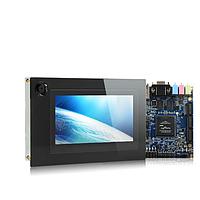
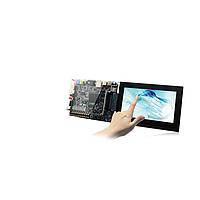
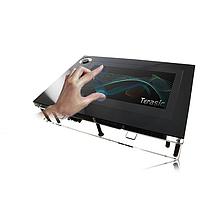
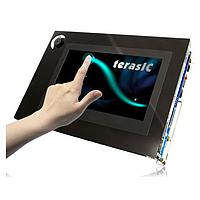
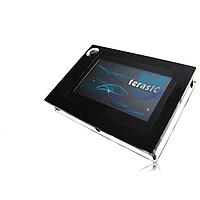
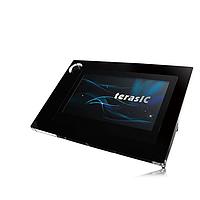
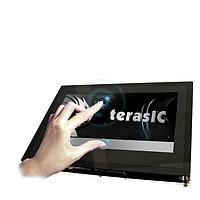
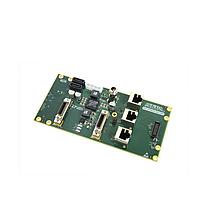
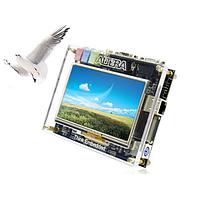
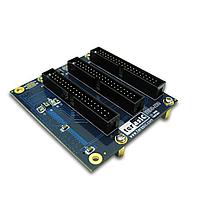
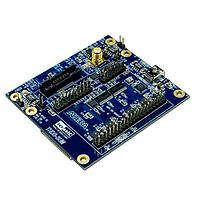
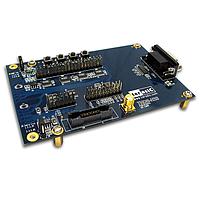
Examples include the Terasic ecosystem of adapter and expansion boards such as the Terasic HSMC to Santa Cruz Card, the Terasic HSMC to Santa Cruz / USB / Mictor Card, and the Terasic GPIO-HSMC Card. For user-interface and multimedia-oriented projects, products such as the Terasic Multi-touch LCD Module (MTL), the Capacitive Multi-Touch LCD with Camera Module (MTLC), and the VEEK-MT-SoCKit Upgrade Kit illustrate how legacy platforms supported touch, imaging, and sensor interaction.
Common use cases for phased-out training and research equipment
A phased-out product is often most useful in environments where the installed base already exists. Universities may need matching hardware for an ongoing course. Research teams may need to repeat a prior validation setup. Maintenance groups may require the same interface card to diagnose a host board or to preserve communication with a legacy instrument chain.
These products can also be helpful in prototyping and reverse-engineering workflows. For example, an interface conversion board can simplify access between different connector standards, while a multimedia or video-oriented module can provide a practical way to verify data flow, user input, or display behavior on older FPGA systems. If your broader requirement includes curriculum support beyond legacy FPGA platforms, related areas such as information technology training may also be relevant.
How to evaluate a phased-out item before purchase
Selection should start with compatibility rather than feature count. Check the board-to-board interface, logic-level expectations, available connectors, and the role of the module in the original system. In this category, many products are not standalone instruments; they are supporting hardware that depends on an existing host board, development kit, or teaching platform.
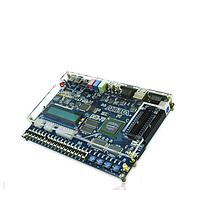
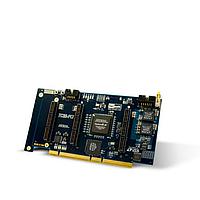
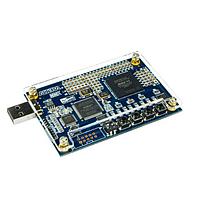
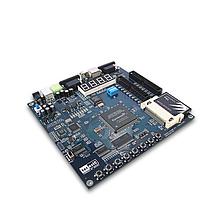
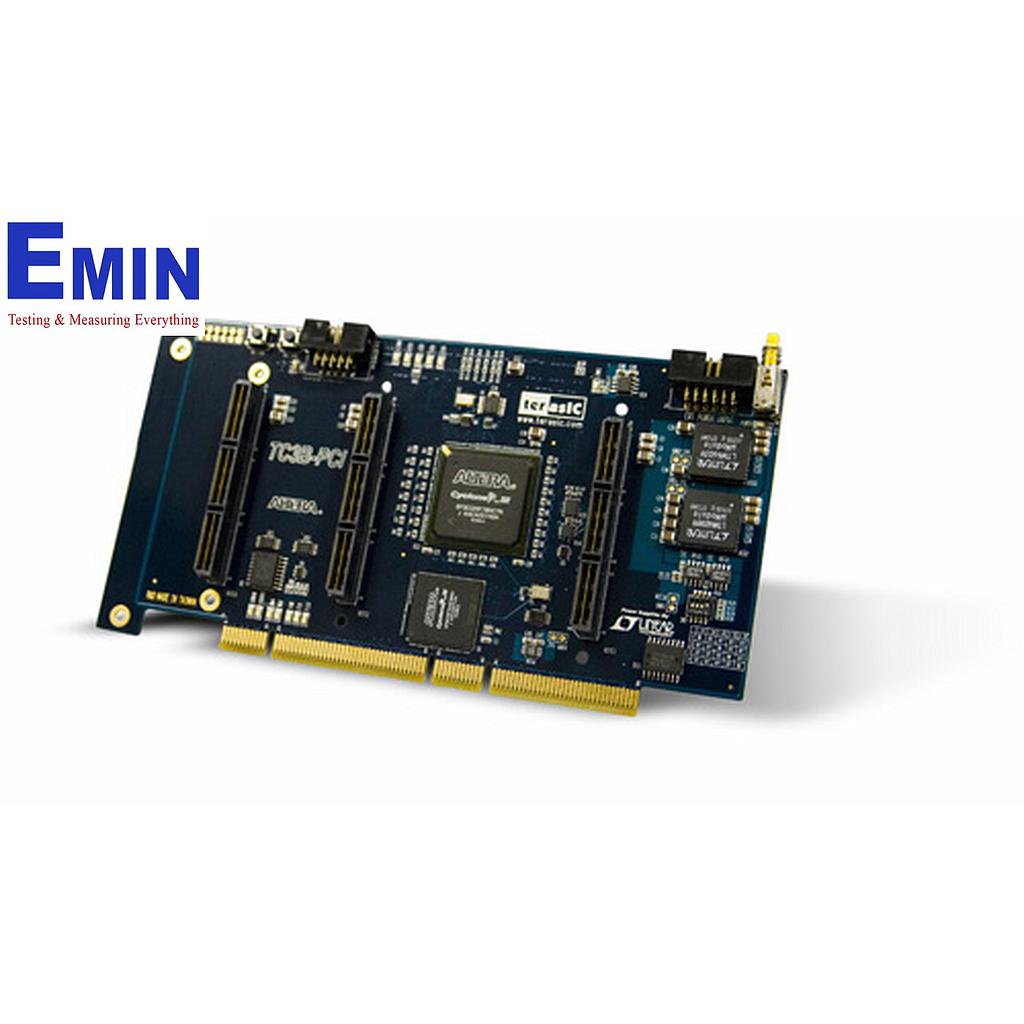
It is also important to review whether the intended use is educational, diagnostic, or development-oriented. A board such as the Terasic TREX C1 Dev. Kit or the Terasic MAX II Micro Kit may be useful for legacy experimentation or introductory FPGA exercises, while products like the Terasic PCI-X Development Board or the Altera DE2-70 Board may be more appropriate when preserving a complete historical lab environment. For practical training deployment, some buyers may also compare with application training solutions that focus on current teaching scenarios.
Interface and ecosystem considerations
One of the main reasons phased-out hardware remains relevant is interface continuity. In FPGA and embedded development, accessories are often selected because they expose specific buses, headers, debug points, or multimedia connections that are difficult to replicate exactly in a newer setup. Boards with HSMC, Santa Cruz, GPIO, RS-232, SD, Mictor, or LCD connectivity can still solve very specific integration needs.
The phased-out Terasic multimedia and mass-storage related cards are good examples. A module such as the Terasic Multimedia-HSMC Card(Phased Out) reflects a broader design approach where display, audio, storage, and communication functions were combined for system-level experimentation. Likewise, the Terasic HSMC Mass Storage and Video Card(Phased Out) can be relevant when older demonstration systems or validation rigs depend on those I/O paths.
When phased-out products are a good fit
These items are usually a good fit when your project depends on an existing installed platform, when educational material was written for a specific board family, or when a research setup must remain reproducible over time. They can also help bridge the gap between past and present systems by allowing side-by-side testing with newer hardware.
On the other hand, if the goal is a brand-new training lab with no dependency on earlier interfaces, a current platform may be more practical. Buyers working across multiple disciplines may also want to review adjacent categories such as basic practice equipment or biomedical trainers when the training scope goes beyond digital systems and embedded electronics.
What to expect from this category
This page is best viewed as a resource for locating legacy modules, discontinued development accessories, and older training hardware that may still be essential in real-world technical environments. Availability, revision alignment, and compatibility with a host system are often more important here than broad feature comparisons.
For buyers maintaining an established Terasic-based lab, these phased-out products can support spare-part planning, continuity of instruction, and reference-based engineering work. Reviewing the exact role of each board in your setup will help determine whether you need an interface adapter, a display module, a development board, or a multimedia extension.
Final considerations before choosing a legacy module
Phased-out equipment is most valuable when it solves a specific compatibility or continuity problem. A careful review of connectors, intended host platform, and expected lab workflow will usually lead to a better decision than simply choosing the most feature-rich board listed on the page.
If you are supporting existing coursework, preserving a research configuration, or extending the service life of older FPGA hardware, this category can provide useful options. The right choice is typically the one that matches your current ecosystem, documentation, and training objectives with the least disruption.
Get exclusive volume discounts, bulk pricing updates, and new product alerts delivered directly to your inbox.
By subscribing, you agree to our Terms of Service and Privacy Policy.
Direct access to our certified experts