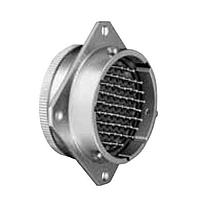
Components and Materials
From industrial assembly and maintenance to electronics production and workplace safety, sourcing the right parts and consumables has a direct impact on reliability, compliance, and day-to-day efficiency. A broad portfolio of Components and Materials helps purchasing teams, engineers, and maintenance departments consolidate essential items in one place instead of treating every product need as a separate sourcing project.
This category brings together practical products used across manufacturing, utilities, construction-related operations, and technical service environments. It spans both core industrial supplies and supporting items that keep equipment, people, and processes protected, organized, and operational.
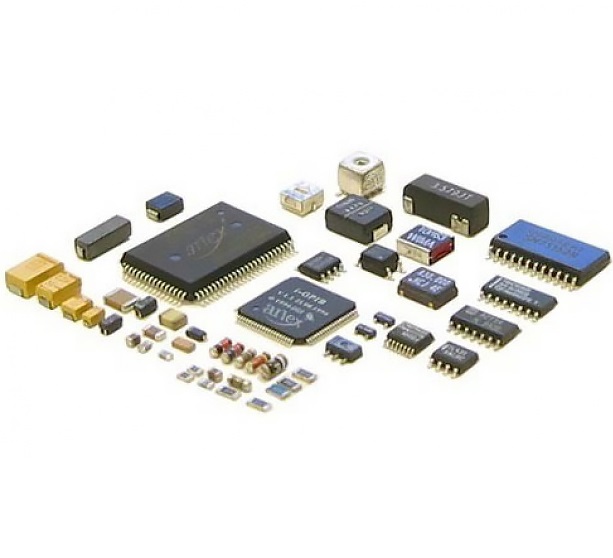
Built for industrial, maintenance, and technical procurement needs
In many B2B environments, components and materials are not limited to one engineering discipline. A single site may need electronic parts, wire and cable, packaging materials, maintenance consumables, and personal protective equipment at the same time. Bringing these requirements into one category makes it easier to compare options, streamline purchasing, and support planned maintenance as well as urgent replacement needs.
This is especially relevant for facilities that manage mixed-use operations such as production lines, workshops, utility rooms, warehouses, and field service work. Rather than focusing only on a narrow product family, the category supports a wider industrial ecosystem where safety, connectivity, protection, and supporting materials all matter.
Why labor protection products are a key part of this category
One clearly represented application area is workplace protection. In industrial settings, consumable safety products are often purchased alongside tools, cables, components, and maintenance items because they are used in the same operational workflow. Respiratory protection, eye protection, and hearing protection are not secondary accessories; they are part of a complete risk-control strategy.
For buyers looking at safety-related items within this category, the available range from 3M is a strong example of how a manufacturer can support multiple protection needs within one brand family. This approach can simplify compatibility decisions, training, and replenishment planning across different departments.
Representative products in the range
Several featured products illustrate the practical scope of the category. For respiratory applications, items such as the 3M HF-51 Half face Mask for Respiratory Protection, 3M HF52 Half face mask for respiratory protection, and 3M 7502 Half face mask address reusable facepiece needs where comfort, fit, and repeat use are important considerations. For facilities that prefer quick on-and-off handling during intermittent exposure tasks, the 3M 6501QL Mask with Quick Settings highlights the role of reusable mask platforms in daily operations.
Disposable and particulate-focused options are also represented. The 3M 9542 RESPIRATORY PROTECTION DUST FILTER MASK, 3M 9541 RESPIRATORY PROTECTION DUST FILTER MASK, and 3M 9105 RESPIRATORY MASK are relevant where particulate filtration is needed for dust-generating activities such as grinding, sanding, sawing, or material handling. In a cartridge-based setup, the 3M 2097 Cartridge and 3M 5N11 Particulate Filter, together with the 3M 501 Filter Retainer, show how modular respiratory systems can be configured according to the task and exposure profile.
Beyond respiratory protection: eye and hearing safety in the same workflow
Industrial procurement often works best when related protective items are sourced together. The 3M SF401SGAF Goggles demonstrate the importance of clear vision, wearer comfort, and anti-fog performance in active work environments. In parallel, the 3M H9P3E Capturing noise-cancelling headphones show how hearing protection fits into sites where equipment noise, machinery, or continuous operational sound must be managed.
Looking at these products together helps buyers think in terms of a task-based PPE selection rather than isolated item purchases. For example, grinding or cutting work may require respiratory, eye, and hearing protection at the same time. A category that supports this combined view is more useful than one organized only around individual SKU types.
How to evaluate components and materials for your application
Selection should start with the actual operating condition, not just the product name. For safety items, that means checking whether the risk involves particulates, nuisance odors, or extended wear time, and whether workers need reusable or disposable solutions. For general industrial materials, decision factors usually include compatibility with the system, expected environment, replacement frequency, and how the item fits into site maintenance routines.
It is also worth considering whether the product is part of a broader assembly. Filters, retainers, and cartridges are a good example of this. A buyer may not be purchasing a standalone item, but rather one element in a modular protection system. That makes compatibility and stocking strategy just as important as the product itself.
A category that supports both direct use and system support
Not every item in a broad industrial category serves the same purpose. Some products are end-use items worn or handled directly by operators, while others act as supporting parts within a larger solution. The 3M 501 Filter Retainer and 3M 5N11 Particulate Filter, for instance, are supporting elements that help configure or extend the function of respiratory equipment rather than replace the facepiece itself.
This distinction matters in B2B purchasing because it affects replenishment planning. End-use consumables may require frequent repeat orders, while support components may be ordered to standardize inventory or maintain compatibility across existing equipment. A well-structured components and materials range should make both purchasing patterns easier to manage.
Consistency, compatibility, and supplier strategy
For many organizations, reducing sourcing complexity is just as important as finding the right technical item. Choosing a recognized manufacturer for recurring categories can help improve consistency in training, fit testing, replacement cycles, and product familiarity. In this context, 3M stands out in the current selection because it covers multiple PPE functions, from respirators and filters to eye and hearing protection.
At the same time, a category at this level is useful because it creates room for broader procurement strategies. Teams can source frequently used industrial supplies while keeping an eye on adjacent technology needs from other manufacturers such as Advantech for embedded and industrial computing applications, Agilent for measurement-related environments, or Aavid where thermal management considerations are part of the wider engineering picture.
Choosing with application context in mind
The strongest purchasing decisions usually come from matching the product to the actual process, user behavior, and maintenance model. A reusable half-face mask may be suitable for recurring tasks and controlled storage practices, while a disposable mask may better suit high-turnover use or short-duration exposure. Safety eyewear and hearing protection should be selected in the same context, especially where workers move between different task zones during a shift.
For procurement teams managing diverse operations, Components and Materials is most valuable when treated as a working category rather than a generic catch-all. It supports practical sourcing across industrial protection, supporting accessories, and adjacent materials needed to keep sites productive and compliant.
Final thoughts
A well-organized components and materials category helps bridge the gap between technical requirements and everyday operational purchasing. Whether the immediate need is respiratory protection, filter accessories, safety eyewear, hearing protection, or related industrial supplies, the goal is the same: select products that fit the task, work reliably in the intended environment, and support consistent inventory management.
By evaluating application needs first and then narrowing down by product type, compatibility, and manufacturer preference, buyers can build a more efficient and sustainable sourcing process. That makes this category a useful starting point for both routine replenishment and broader industrial supply planning.
Get exclusive volume discounts, bulk pricing updates, and new product alerts delivered directly to your inbox.
By subscribing, you agree to our Terms of Service and Privacy Policy.
Direct access to our certified experts