
Capacitance/tan δ Meter Calibration Service
Reliable dielectric testing depends on instruments that deliver stable, traceable readings under real working conditions. When a capacitance and dissipation factor instrument starts to drift, even small measurement errors can affect maintenance decisions, asset assessment, and acceptance testing for cables, transformers, bushings, and other high-voltage insulation systems. A professional Capacitance/tan δ Meter Calibration Service helps maintain confidence in those results and supports a more consistent testing workflow.
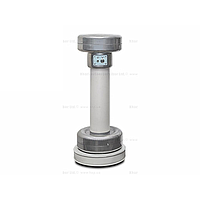
Why calibration matters for capacitance and tan δ measurement
Capacitance and tan δ meters are used to evaluate the electrical condition of insulation by measuring capacitance and dissipation factor. These values are often used to identify insulation aging, moisture ingress, contamination, or other developing faults. Because the interpretation of results may rely on trend comparison over time, measurement consistency is just as important as absolute accuracy.
Regular calibration helps verify that the instrument is operating within its intended performance range. It also supports traceability, improves confidence in maintenance records, and reduces the risk of making decisions based on inaccurate test data. For organizations working in utilities, power systems, field service, or industrial maintenance, this is an important part of quality control.
Typical equipment covered by this service
This category is intended for instruments used to measure capacitance and tan δ in electrical insulation testing applications. These devices are commonly used during commissioning, preventive maintenance, outage inspections, and condition assessment programs where insulation performance must be checked with a repeatable method.
Depending on the testing environment, the equipment may be used in laboratories, service workshops, or field testing teams. Calibration is relevant whether the meter is a standalone unit or part of a broader insulation diagnostic workflow. The goal is to confirm that the instrument continues to provide dependable readings for the measurement functions it is designed to perform.
What a calibration service helps verify
A proper calibration service is not only about adjusting numbers. It is about checking how the instrument responds across the measurement functions that matter in actual use. For capacitance and tan δ meters, that generally means confirming the reliability of readings used to evaluate dielectric condition and insulation quality.
In practice, calibration supports more dependable comparison between current and historical test results. This is particularly valuable when trend analysis is part of a maintenance strategy. If an instrument drifts over time, the change may be mistaken for insulation deterioration when the issue is actually measurement error. Calibration helps separate equipment condition from instrument uncertainty.
When to schedule calibration
Calibration intervals often depend on usage frequency, operating conditions, internal quality requirements, and any applicable customer or regulatory expectations. Instruments used heavily in the field, transported often, or exposed to temperature variation and demanding site conditions may require closer attention than equipment used only occasionally in controlled environments.
It is also sensible to schedule calibration after repair, after a suspected overload event, or whenever readings appear inconsistent with previous results. If your team uses multiple electrical test instruments as part of the same maintenance program, aligning calibration cycles can simplify asset management and documentation.
How this service fits into a broader electrical testing program
Capacitance and tan δ measurement is often only one part of a larger diagnostic process. Many maintenance teams also work with insulation resistance, withstand voltage, breaker testing, and cable fault location tools depending on the asset under evaluation. Keeping these instruments calibrated together helps create a more reliable testing environment from one task to the next.
If your workflow includes related high-voltage or insulation test equipment, it may also be useful to review withstand voltage test calibration service options or support for insulating materials testing equipment calibration service. For power system maintenance teams handling switching devices and fault diagnostics, related services such as breaker test equipment calibration service and cable fault tester calibration service may also be relevant.
Benefits for maintenance teams, service providers, and industrial users
For engineering teams, a calibrated instrument supports better decision-making when evaluating insulation condition and planning maintenance work. It can help reduce unnecessary retesting, limit uncertainty in technical reports, and improve consistency between technicians, sites, and testing periods.
For service providers and organizations with formal quality systems, calibration also helps with documentation and audit readiness. Traceable instrument performance supports a more professional testing process, especially when results are shared with customers, asset owners, or compliance stakeholders. In many cases, the value of calibration is not only technical accuracy, but also stronger confidence in the data used to support maintenance actions.
Choosing the right calibration support
When selecting a service for this type of equipment, it is helpful to focus on scope, traceability, and suitability for the instrument’s application. A good approach is to make sure the service aligns with how the meter is used in your actual environment, whether for routine insulation checks, acceptance testing, or long-term condition monitoring.
It is also worth considering turnaround expectations, service records, and how calibration fits into your broader instrument lifecycle management. For teams managing multiple electrical test assets, a structured calibration plan can reduce downtime and make future scheduling easier.
Support more dependable insulation testing
Accurate dielectric measurements play an important role in evaluating the health of electrical assets. A well-managed Capacitance/tan δ Meter Calibration Service helps preserve measurement reliability, improve traceability, and support better maintenance decisions over time.
Whether the instrument is used in a test lab, utility environment, or industrial field service program, regular calibration is a practical step toward more dependable insulation assessment. As part of a broader electrical testing strategy, it helps keep measurement data meaningful, comparable, and easier to trust.
Get exclusive volume discounts, bulk pricing updates, and new product alerts delivered directly to your inbox.
By subscribing, you agree to our Terms of Service and Privacy Policy.
Direct access to our certified experts