
Breaker Test Equipment Calibration Service
Reliable breaker testing depends on measurement accuracy as much as it depends on the tester itself. In maintenance programs for substations, switchgear, power distribution systems, and industrial electrical assets, even small deviations in timing, current, or resistance readings can affect how circuit breaker performance is interpreted. That is why Breaker Test Equipment Calibration Service is an important part of any serious electrical testing workflow.
Calibration helps verify that breaker test instruments continue to perform within expected tolerances over time. It also supports more consistent maintenance decisions, better traceability, and improved confidence when comparing test results across service intervals, sites, or asset fleets.
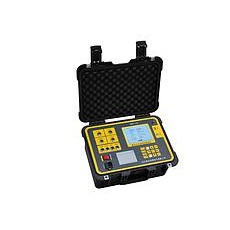
Why calibration matters for breaker test equipment
Breaker test equipment is commonly used to evaluate the operating condition of circuit breakers by checking parameters such as timing behavior, contact performance, trip and close sequences, and related electrical characteristics. Because these instruments are often used in preventive maintenance and commissioning, the quality of the test result directly affects the quality of the decision made afterward.
Regular calibration helps identify drift, confirm instrument response, and maintain confidence in recorded values. For organizations working under maintenance procedures, quality systems, or documented inspection routines, calibration also supports traceable records and more dependable reporting.
Typical instruments covered in this service area
This category is relevant to equipment used for testing and verifying circuit breaker operation in field service shops, utilities, industrial plants, and electrical maintenance environments. Depending on the instrument type, calibration may focus on the measurement functions that influence breaker analysis, such as timing accuracy, current-related test channels, trigger behavior, or associated electrical measurement performance.
Some breaker testing workflows also involve related instruments used before or after the breaker test itself. In broader maintenance programs, users may also require services for equipment tied to withstand voltage testing or insulation verification, depending on the application and test sequence.
When to schedule breaker test equipment calibration
Calibration intervals are usually influenced by usage frequency, operating conditions, internal quality procedures, and the criticality of the assets being tested. Instruments used in demanding field environments, transported frequently between sites, or exposed to temperature variation, shock, or heavy workloads may need closer calibration control than equipment used only occasionally in a stable lab setting.
It is often wise to arrange calibration after repair, after suspected measurement issues, or before major maintenance campaigns. If your team relies on trend comparison over time, routine calibration is especially useful because it helps ensure that changes in breaker performance are not confused with changes in instrument accuracy.
What calibration helps verify
A proper service process is intended to confirm that the instrument’s key measurement functions remain suitable for use. For breaker test equipment, this may include verification of channels and functions used to assess breaker operation, as well as review of overall measurement behavior against reference standards and defined procedures.
Beyond raw accuracy, calibration supports repeatability and confidence in test documentation. This is important when reports are used for maintenance planning, compliance records, outage preparation, or root-cause analysis after abnormal breaker behavior is observed.
How this service supports maintenance and compliance workflows
Electrical maintenance teams often work across multiple test disciplines, not only breaker analysis. In practice, breaker testing may sit alongside low-resistance checks, insulation assessment, dielectric testing, and cable diagnostics. Keeping these instruments calibrated as part of a coordinated program can reduce uncertainty and make field records easier to compare.
For example, organizations that also perform conductor or contact verification may benefit from related support such as low resistance meter calibration. Where feeder troubleshooting or network fault location is involved, cable fault tester calibration may also be relevant within the same maintenance ecosystem.
Choosing the right calibration service approach
When selecting a calibration service for breaker test equipment, it is helpful to consider the actual functions you use most often in the field, the documentation your organization requires, and the level of traceability expected by your maintenance or quality system. A good fit is not only about having the instrument checked, but about making sure the service aligns with how the equipment is really used.
It is also sensible to review turnaround expectations, record requirements, and whether the service can support a broader portfolio of electrical test instruments. If your maintenance scope includes dielectric and insulation-related equipment, a related option such as insulating materials testing equipment calibration may help support a more complete calibration plan.
Practical benefits of keeping breaker testers in calibration
Well-managed calibration programs help reduce avoidable retesting, improve confidence in pass/fail interpretation, and support better communication between field technicians, maintenance planners, and asset owners. They also make it easier to compare data from one shutdown cycle to the next without wondering whether the instrument itself influenced the result.
For businesses that depend on consistent electrical maintenance records, measurement traceability is not just an administrative detail. It is part of controlling risk, supporting technical decisions, and maintaining a dependable testing process around critical breaker assets.
Conclusion
Breaker test results are only as useful as the instrument accuracy behind them. A structured calibration service helps maintain confidence in circuit breaker analysis, supports traceable maintenance records, and strengthens the overall reliability of electrical testing programs.
If breaker testing is part of your routine maintenance or commissioning work, keeping your equipment properly calibrated is a practical step toward more consistent diagnostics and better-informed decisions across the life of your electrical assets.
Get exclusive volume discounts, bulk pricing updates, and new product alerts delivered directly to your inbox.
By subscribing, you agree to our Terms of Service and Privacy Policy.
Direct access to our certified experts