
Insulating Materials Testing Equipment Calibration Service
Reliable dielectric and insulation testing depends as much on measurement confidence as it does on the test instrument itself. In laboratories, utility maintenance programs, cable production, transformer service, and quality control environments, even small calibration drift can affect pass/fail decisions, traceability, and the consistency of recorded test data. That is why Insulating Materials Testing Equipment Calibration Service plays an important role in maintaining dependable electrical test processes.
Calibration helps verify that insulating material test equipment continues to perform within expected tolerances across the ranges used in routine inspection and formal testing. For organizations working with safety-critical components or regulated documentation, a structured calibration program also supports better maintenance planning, more defensible reports, and smoother audits.
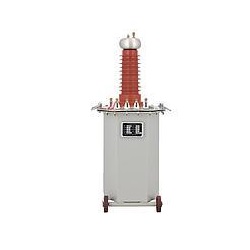
Why calibration matters for insulating materials testing equipment
Equipment used to assess insulation behavior is often relied on to evaluate breakdown performance, resistance to electrical stress, or overall material suitability for a given application. When these instruments drift over time, test outcomes may no longer reflect actual material performance, which can introduce risk into product validation, maintenance decisions, or acceptance testing.
A proper calibration service helps confirm measurement accuracy, repeatability, and functional reliability. It also gives users a clearer basis for deciding whether an instrument is still suitable for routine use, requires adjustment, or should be removed from service until performance is restored.
Typical use cases in industrial and test environments
This service is relevant anywhere insulation properties must be verified under controlled electrical test conditions. Common environments include electrical component manufacturing, materials evaluation labs, power equipment service, research facilities, and maintenance teams responsible for cables, switchgear, rotating equipment, or high-voltage assets.
In these settings, insulating materials testing equipment may be used to support incoming inspection, production quality control, failure analysis, or periodic verification of materials exposed to heat, moisture, aging, or electrical stress. Calibration supports these workflows by improving confidence in the measurements behind each technical decision.
What calibration helps verify
The exact calibration scope depends on the instrument type and the way it is used, but the core objective is to assess whether the equipment is operating correctly across its intended functions. This can include verification of displayed values, test output behavior, response stability, and the consistency of measurement results over the relevant operating range.
For insulation-related test equipment, this is especially important because high-voltage testing and material evaluation often depend on stable outputs and reliable readings. In practical terms, calibration helps users reduce uncertainty, identify hidden performance issues, and maintain more consistent historical records for trend analysis.
When to schedule this service
Many organizations place insulating materials test instruments on a recurring annual or semiannual schedule, but the right interval depends on usage frequency, operating conditions, internal quality requirements, and the consequences of incorrect measurements. Instruments used heavily, transported frequently, or exposed to demanding environments may require more frequent verification.
Calibration should also be considered after repair, after suspected overrange events, following long storage periods, or whenever test results begin to appear inconsistent. If your workflow also includes related electrical safety and performance instruments, it can be useful to coordinate service intervals with other categories such as withstand voltage test calibration to simplify maintenance planning.
How this service supports traceability and quality systems
In many B2B environments, calibration is not only a technical task but part of a broader quality assurance framework. Verified equipment performance supports internal procedures for inspection, validation, and release, while also helping teams maintain cleaner documentation for customer requirements, audits, or compliance-driven workflows.
Traceable calibration records can be particularly valuable when comparing data over time or across multiple sites. They help reduce uncertainty around whether changing test outcomes are caused by the material under test, the process, or the instrument itself. For teams managing a wider electrical test program, related services such as low resistance meter calibration may also support a more complete reliability strategy.
Choosing the right calibration support
When evaluating a calibration service for insulating materials testing equipment, the first priority is fit with the actual instrument application. Users should consider the test ranges involved, the criticality of the measurements, the required documentation, and whether the service aligns with internal maintenance or quality procedures.
It is also useful to think in terms of the wider test ecosystem rather than a single instrument in isolation. For example, organizations working across electrical maintenance and fault diagnostics may also need support for complementary categories such as cable fault tester calibration service or breaker test equipment calibration, depending on the scope of their operations.
Benefits of a planned calibration program
A structured calibration schedule can reduce unplanned downtime, improve test consistency, and make instrument management more predictable. Instead of reacting only when results seem questionable, teams can use scheduled service intervals to maintain confidence in their measurement systems and reduce the chance of out-of-tolerance equipment affecting production or field decisions.
Over time, this approach also improves asset visibility. Service records, interval history, and observed performance trends make it easier to decide whether an instrument should remain in service, be adjusted, or be replaced as part of a longer-term equipment strategy.
Supporting dependable insulation testing results
Accurate insulation and dielectric evaluation starts with instruments that can be trusted. Whether the equipment is used for routine quality checks, laboratory analysis, or maintenance-related electrical testing, regular calibration helps preserve measurement integrity and supports more consistent technical outcomes.
If your organization relies on insulation test data to make quality, safety, or maintenance decisions, Insulating Materials Testing Equipment Calibration Service is a practical step toward keeping those results dependable, traceable, and aligned with real operating requirements.
Get exclusive volume discounts, bulk pricing updates, and new product alerts delivered directly to your inbox.
By subscribing, you agree to our Terms of Service and Privacy Policy.
Direct access to our certified experts