
Electrical Tester Calibration Service
Accurate electrical testing depends not only on the quality of the instrument, but also on how reliably it performs over time. In maintenance, commissioning, manufacturing, and laboratory environments, even small measurement deviations can affect troubleshooting decisions, acceptance tests, and safety-related evaluations. That is why Electrical Tester Calibration Service is an important part of keeping test equipment dependable and traceable for day-to-day technical work.
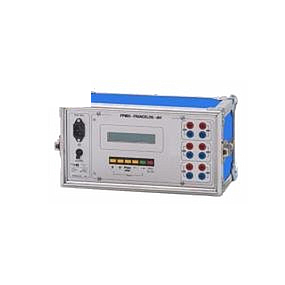
This category covers calibration support for a wide range of electrical test instruments used in power systems, industrial maintenance, insulation testing, transformer testing, relay verification, and related applications. Whether the equipment is used in the field or in a controlled workshop, regular calibration helps confirm that readings remain aligned with expected performance and that the instrument is suitable for critical measurement tasks.
Why calibration matters for electrical test equipment
Electrical testers are often used in applications where measurement accuracy directly supports safety, asset condition assessment, and compliance procedures. Instruments in this group may be exposed to transportation, high-energy environments, temperature variation, or frequent use, all of which can gradually influence performance. A structured calibration service helps detect drift before it leads to misinterpretation of test results.
For organizations managing preventive maintenance programs, calibration also supports better documentation and consistency across teams. When instruments are checked at defined intervals, test reports become more reliable and easier to compare over time. This is especially valuable when electrical testers are part of broader measurement workflows that may also involve electrical and electronic meter calibration for supporting handheld or bench instruments.
Typical instrument groups covered in this category
This category is relevant to many specialized testers used across electrical power and industrial service work. Examples within the scope include instruments for low resistance measurement, breaker testing, withstand voltage testing, cable fault location, capacitance and tan δ measurement, relay testing, CT/PT testing, current generation, and high-voltage measurement. It also extends to equipment used for insulating oil analysis, lightning arrester evaluation, phase angle measurement, and SF6 gas analysis.
Because these devices serve different functions, their calibration requirements can vary significantly. Some focus on output verification, some on measurement accuracy, and others on timing, phase, insulation-related behavior, or high-voltage performance. Grouping them under one service category makes it easier for users to find the right support while still recognizing that each instrument type may require its own calibration procedure and reference setup.
Applications where dependable calibration is especially important
Electrical testers are widely used in utilities, switchgear service, transformer maintenance, cable diagnostics, industrial plants, and quality control environments. In these settings, technicians often depend on the instrument to validate asset condition, confirm insulation integrity, or verify whether protective devices and circuits are operating within expected limits. If the tester is out of calibration, the result can be unnecessary rework, delayed commissioning, or incorrect maintenance decisions.
Calibration is particularly important when instruments are used as part of larger diagnostic programs. A relay test process, for example, may involve multiple devices and reference values, while transformer or high-voltage testing often requires confidence in both source and measurement behavior. In workflows that also include waveform analysis or timing review, users may additionally need oscilloscope and logic analyzer calibration to keep the full test chain consistent.
What to consider when arranging an electrical tester calibration service
Before sending equipment for calibration, it is useful to identify the exact instrument type, its operating function, and the measurement ranges most important to your work. Electrical testers are not all evaluated in the same way. A high-voltage meter, a relay tester, and a cable fault tester may each require different methods, test points, fixtures, and reference conditions. Clear equipment identification helps the service process move more efficiently.
Users should also consider how the instrument is used in practice. Field equipment that travels frequently may need closer interval control than equipment used in a stable laboratory environment. If your organization maintains mixed fleets of instruments, it can be helpful to align service planning across related categories such as AC/DC power supply calibration when source equipment is part of the same verification process.
How calibration supports maintenance quality and audit readiness
A well-managed calibration program does more than confirm instrument performance on a single day. It supports traceability, helps standardize test practices, and gives maintenance and quality teams better confidence in recorded results. For companies working under internal quality systems or customer audit requirements, documented calibration status is often a basic expectation rather than an optional step.
This becomes even more important when electrical testers are used to approve assets for service, verify repairs, or support acceptance testing. Calibration records can help show that measurement tools were checked appropriately and remained suitable for use during the relevant period. For teams that also manage dimensional tools and workshop inspection devices, related support such as mechanical measuring instruments calibration may be part of the same overall asset control approach.
Choosing the right service scope for different tester types
One of the practical challenges with this category is that “electrical tester” can describe instruments with very different operating principles. Some devices generate test signals, some measure electrical values, and some combine source, sensing, timing, and analysis functions in one platform. For that reason, the right service scope should match the actual role of the instrument rather than relying on a generic calibration label.
When planning service, it is useful to group equipment by application: insulation-related testing, protection system verification, transformer and CT/PT testing, cable and fault analysis, or high-voltage measurement. This makes it easier to define priorities, downtime windows, and calibration intervals. It also helps organizations maintain a more structured inventory of test assets across field service, plant maintenance, and technical laboratories.
Supporting long-term performance of electrical testing instruments
Calibration works best when it is part of a broader equipment management process. Regular handling checks, proper storage, controlled transport, and timely review after heavy use or unusual test conditions can all help reduce the risk of unnoticed measurement drift. Instruments used in demanding electrical environments may need more attention than standard bench equipment, especially when they are exposed to high energy, repetitive connection cycles, or harsh site conditions.
Over time, this approach can improve both reliability and planning. Instead of reacting only when a tester appears inaccurate, teams can build predictable service intervals and reduce disruption to critical work. That is particularly useful for organizations responsible for scheduled shutdowns, commissioning work, or recurring inspection programs where tester availability is closely linked to project timelines.
Find the right calibration path for your equipment
This category is intended to help users locate appropriate calibration support for specialized electrical test instruments across a broad range of power and industrial applications. From low-resistance and relay testing to high-voltage and transformer-related equipment, the goal is to maintain confidence in the tools used to make important technical decisions.
If your instrument type falls within this field, reviewing the relevant subcategory can help narrow the service scope more precisely. A clear calibration plan for electrical testers not only supports measurement quality, but also strengthens maintenance consistency, documentation, and operational confidence across the full test process.
Get exclusive volume discounts, bulk pricing updates, and new product alerts delivered directly to your inbox.
By subscribing, you agree to our Terms of Service and Privacy Policy.
Direct access to our certified experts