
Withstand Voltage Test Calibration Service
Reliable high-voltage testing depends on more than the tester itself. In production, maintenance, and safety verification workflows, even a small deviation in output voltage, trip behavior, or timing can affect test validity and create uncertainty in compliance records. That is why Withstand Voltage Test Calibration Service is an important part of maintaining confidence in electrical safety testing.
This service is intended for organizations that use withstand voltage testers to verify insulation strength, dielectric performance, and product safety. Regular calibration helps confirm that the instrument applies and measures test conditions correctly, supports traceable quality procedures, and reduces the risk of inaccurate pass/fail decisions during inspection or final testing.
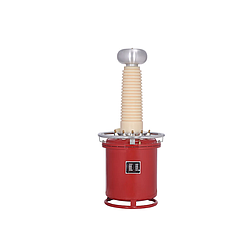
Why calibration matters for withstand voltage testing
Withstand voltage testing is commonly used to check whether insulation systems can tolerate a specified electrical stress without breakdown. Because these tests often involve elevated voltage levels and strict acceptance criteria, the accuracy of the test instrument has a direct impact on both safety and quality control.
A properly managed calibration service helps verify key performance points such as applied voltage, leakage-related measurement behavior, timer function, and overall test response. For manufacturers, laboratories, utilities, and service teams, this supports more dependable documentation and a clearer basis for maintenance or release decisions.
Typical situations where this service is needed
Calibration is commonly scheduled as part of periodic quality system maintenance, especially in environments where electrical safety testing is performed routinely. It is also relevant after repair, after transport between sites, when test results begin to appear inconsistent, or before an audit where documented measurement traceability is important.
In practical terms, companies often use this service for test equipment applied in panel building, appliance inspection, cable and harness production, motor testing, transformer checks, and incoming or outgoing quality control. Where a product must meet internal test procedures or external standards, maintaining a verified tester helps reduce uncertainty in the process.
What is typically checked during calibration
The exact calibration scope can vary depending on the equipment design and service procedure, but the objective is consistent: confirm that the instrument performs within an acceptable range for its intended function. For a withstand voltage tester, this usually centers on the electrical output and the control elements that influence the test result.
Common points of attention may include output voltage accuracy, timing behavior, indication performance, and response characteristics related to the test sequence. Depending on the application, calibration can also help identify drift, wear, or functional deviations that may not be obvious during routine daily use but can still affect testing reliability.
Benefits for quality, compliance, and equipment management
One of the main advantages of regular calibration is improved confidence in recorded test data. When a withstand voltage tester is verified at defined intervals, maintenance teams and quality managers have stronger support for inspection records, equipment history, and internal audit readiness.
Calibration also plays a practical role in risk reduction. It helps limit the chance of false failures that interrupt production as well as false passes that allow defective insulation performance to go unnoticed. Over time, a structured calibration program can make equipment management more predictable and easier to align with plant maintenance schedules.
How this service fits into a broader electrical test program
Withstand voltage testing is often only one part of a broader electrical verification workflow. Many organizations manage several instrument types together to keep their testing systems consistent across production lines, field service work, or laboratory environments.
For example, teams that use hipot or dielectric strength testers may also need related support such as low resistance meter calibration for continuity and bonding verification, or breaker test equipment calibration where protective device testing is part of the same maintenance program.
Choosing the right calibration support
When selecting a service for withstand voltage test equipment, it is useful to consider the instrument type, the test ranges used in actual operation, the required documentation level, and the criticality of the application. A production environment with regular outgoing safety checks may have different calibration planning needs than a maintenance department using the tester less frequently.
It is also helpful to align calibration intervals with actual usage conditions, internal quality procedures, and any customer or regulatory expectations that apply to your industry. Where multiple electrical test instruments are used together, coordinated service planning can improve uptime and simplify scheduling across the site.
Related calibration needs in electrical safety testing
In many facilities, withstand voltage testers are used alongside other instruments that evaluate insulation condition or cable integrity. Reviewing these services together can help create a more complete calibration strategy rather than treating each instrument in isolation.
If your workflow also includes insulation-focused verification, you may want to review insulating materials testing equipment calibration service. For maintenance teams working on fault location and cable diagnostics, cable fault tester calibration service may also be relevant.
Supporting dependable test results over time
Electrical safety testing only adds value when the underlying measurement and output performance can be trusted. A well-timed withstand voltage test calibration helps keep the instrument aligned with its intended role, supports traceable quality practices, and strengthens confidence in the decisions based on test results.
For organizations that depend on dielectric or hipot testing in production, service, or inspection work, this category provides a focused way to maintain testing reliability as part of a broader equipment calibration program.
Get exclusive volume discounts, bulk pricing updates, and new product alerts delivered directly to your inbox.
By subscribing, you agree to our Terms of Service and Privacy Policy.
Direct access to our certified experts