
CT/PT tester Calibration Service
Accurate ratio, phase angle, and burden verification is essential when working with instrument transformer test sets in power utility, switchgear, and substation environments. Even a small measurement drift can affect acceptance testing, maintenance decisions, and traceability records, which is why CT/PT tester Calibration Service plays an important role in maintaining confidence in test results.
This service is intended for organizations that rely on CT and PT testing equipment for commissioning, inspection, and periodic verification. A properly calibrated tester helps support consistent measurements, better documentation, and more reliable comparison against internal quality procedures or project requirements.
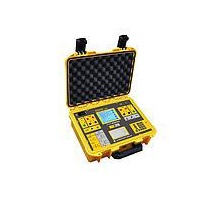
Why calibration matters for CT/PT testing equipment
Current transformer and potential transformer testers are used in applications where measurement accuracy directly affects system assessment. These instruments are often involved in checking transformer ratio, polarity, excitation behavior, phase relationship, and other parameters used to validate installation condition or device performance.
Over time, electrical test instruments can drift due to transport, frequent field use, environmental conditions, aging components, or previous overload events. Calibration helps verify whether the tester remains within expected performance and provides a documented basis for continued use in maintenance programs, laboratory workflows, and field service operations.
Typical situations where recalibration is needed
Many companies schedule calibration at regular intervals as part of preventive quality control, but there are also practical situations where earlier service is advisable. Examples include equipment that has been dropped, exposed to harsh site conditions, stored for long periods, or used intensively across multiple projects.
Recalibration is also a sensible step when measurement results appear inconsistent with known references, historical records, or companion instruments. In electrical testing environments, keeping calibration current supports better alignment with broader verification activities such as withstand voltage test calibration service and related high-voltage test workflows.
What a CT/PT tester calibration service generally supports
A calibration service for this type of instrument is focused on confirming the tester’s measurement performance against traceable standards and documenting the result in a clear, usable format. While exact procedures depend on the instrument design and the required scope, the goal is to assess whether the unit delivers dependable readings for its intended electrical testing tasks.
For maintenance teams, EPC contractors, and utility test departments, this helps reduce uncertainty when comparing present measurements to baseline values. It also supports internal audit readiness and more consistent reporting when CT/PT test equipment is part of a broader portfolio of electrical diagnostic tools.
Benefits for utilities, panel builders, and service teams
In practical terms, calibrated test equipment helps teams work with greater confidence during commissioning, troubleshooting, and periodic inspection. This is especially important when instrument transformer performance is tied to protection systems, metering accuracy, and asset condition decisions.
Organizations that manage several types of electrical test instruments often benefit from a coordinated service approach. For example, companies handling transformer and cable diagnostics may also review related services such as cable fault tester calibration service to keep multiple test workflows aligned under the same quality framework.
How to choose the right calibration scope
The right scope depends on how the tester is used, how critical the measurements are, and what level of documentation your organization requires. Field-use instruments may need careful evaluation after transport and repeated deployment, while laboratory-controlled equipment may follow a more predictable calibration cycle.
It is also helpful to consider the operating context of the device: acceptance testing, maintenance verification, or fault analysis may each place different demands on the instrument. If your team maintains a wider electrical testing program, related services such as breaker test equipment calibration service can be reviewed alongside CT/PT tester calibration to improve consistency across departments.
Supporting traceability and quality documentation
One of the main outcomes of calibration is not only improved confidence in instrument performance, but also better traceability. Documented calibration status is useful for internal maintenance systems, project handover files, regulated environments, and customer-facing quality records.
For organizations working under formal inspection plans, traceable calibration can help show that measurement tools are being controlled appropriately. This is particularly valuable where test records influence engineering decisions, asset acceptance, or long-term maintenance strategy.
Calibration as part of a broader electrical test program
CT/PT testers are rarely used in isolation. In many facilities, they form part of a larger ecosystem of diagnostic and verification equipment used for resistance checks, insulation assessment, breaker analysis, and dielectric testing. Looking at calibration as a system-level activity can improve scheduling, reduce instrument downtime, and simplify service planning.
Where suitable, teams may coordinate this category with specialized services like low resistance meter calibration service so that essential electrical testers remain aligned with the same maintenance cycle and documentation standards.
Choosing a service that fits your operational needs
When selecting a calibration service, it helps to focus on turnaround expectations, documentation needs, and the role the instrument plays in your testing process. A good fit is one that supports your actual workflow, whether the tester is used in routine maintenance, acceptance testing, or specialist field diagnostics.
For teams that depend on reliable instrument transformer measurements, regular calibration is a practical way to support repeatable results, maintain confidence in reports, and reduce uncertainty in day-to-day electrical testing. As part of a disciplined maintenance strategy, CT/PT tester calibration helps keep your measurement process dependable and easier to manage over time.
Get exclusive volume discounts, bulk pricing updates, and new product alerts delivered directly to your inbox.
By subscribing, you agree to our Terms of Service and Privacy Policy.
Direct access to our certified experts