
Low resistance meter Calibration Service
Reliable resistance measurements matter whenever electrical joints, bonding paths, busbar connections, switchgear contacts, grounding networks, or protective conductors need to be verified with confidence. Even small measurement errors can affect maintenance decisions, acceptance testing, and quality records, which is why Low resistance meter Calibration Service is an important part of any electrical test equipment management program.
For laboratories, utilities, panel builders, industrial maintenance teams, and service contractors, calibration helps confirm that a low resistance meter is still performing within expected accuracy across the ranges used in daily work. It also supports traceability, more consistent reporting, and better confidence when comparing results over time.
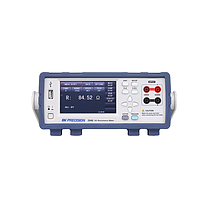
Why low resistance meter calibration matters
Low resistance meters are typically used where very small resistance values must be measured accurately. In these applications, the instrument is often relied on to assess the condition of conductors, welded joints, contact points, earth bonds, and other low-ohmic paths where a few micro-ohms or milli-ohms can be meaningful.
Over time, normal use, transport, environmental conditions, lead wear, and aging of internal components can influence measurement performance. A proper calibration service helps verify whether the instrument still aligns with expected measurement behavior and provides a documented basis for continued use in testing, maintenance, or compliance workflows.
Typical applications that depend on accurate low-resistance measurement
Organizations send low resistance meters for calibration when the instrument is tied to critical maintenance or production tasks. Common examples include testing switchgear and breakers, checking cable and busbar continuity, validating bonding integrity, and confirming low-resistance connections in power distribution systems.
Calibration is also valuable in manufacturing and repair environments where repeatability matters as much as absolute accuracy. If the same instrument is used to compare readings across batches, installations, or maintenance intervals, stable and traceable performance becomes essential to avoid misleading trends and unnecessary rework.
What a calibration service helps you verify
A low resistance meter calibration process is intended to evaluate how the instrument performs across relevant measurement points and conditions. In practical terms, this helps confirm whether readings remain dependable for the work the device is assigned to perform, especially in low-ohm testing where lead effects, contact quality, and instrument stability can influence the result.
For many users, the main value is not only numerical verification but also clearer equipment control. A documented calibration record can support asset management, audit readiness, maintenance planning, and internal quality procedures. Companies managing several types of electrical test instruments may also benefit from coordinating this service with related support such as withstand voltage test calibration where broader electrical testing programs are involved.
When to schedule calibration
Calibration intervals are usually determined by internal quality systems, workload, operating environment, and how critical the measurement is to the application. Instruments used frequently in field service, exposed to rough transport conditions, or relied on for documented acceptance testing often need closer control than devices used occasionally for informal checks.
It is also sensible to schedule calibration after repair, after suspected overload or abnormal readings, or when comparison with another reference instrument suggests drift. If your operation also relies on continuity and contact testing tools, pairing service planning with breaker test equipment calibration service can help keep related electrical test assets on a consistent maintenance cycle.
How to choose the right service scope
The right service approach depends on how the instrument is used in your process. Some users mainly need routine periodic verification for internal equipment control, while others require stronger traceability because test results are tied to contractual documentation, regulated work, or formal inspection records.
When reviewing service options, it helps to consider the resistance ranges you use most often, the importance of measurement uncertainty in your application, and how the final records will be used. This is especially relevant for teams handling multiple specialized instruments, including equipment associated with insulating materials testing equipment calibration or other electrical verification tasks.
Benefits for maintenance, quality, and documentation
A well-managed calibration program supports more than instrument performance alone. It can improve consistency between technicians, reduce disputes over unexpected readings, and make it easier to determine whether a measured resistance change reflects the asset under test or the test instrument itself.
From a quality perspective, traceability and documented calibration status are often important for audits, internal procedures, and customer-facing reports. For maintenance teams, this means more confidence in trending data. For manufacturers and service providers, it helps strengthen inspection records and supports more disciplined control of test equipment across the organization.
Related services in an electrical testing workflow
Low resistance measurement is often only one part of a broader diagnostic or compliance process. Depending on the job, users may also work with high-voltage test sets, cable test instruments, insulation-related equipment, or specialized continuity testers. Managing these services together can reduce downtime and simplify equipment administration.
Where cable condition assessment is part of the same workflow, it may be useful to review cable fault tester calibration service as part of a coordinated maintenance plan for field test assets.
Support more dependable low-ohm testing
When a low resistance meter is used for critical checks, calibration helps protect the quality of the decisions built on those readings. It supports dependable measurement performance, clearer records, and better control of electrical test equipment over its service life.
If your team depends on accurate low-ohm measurement for inspection, maintenance, production, or commissioning, a structured low resistance meter calibration process is a practical step toward more consistent results and stronger confidence in every test report.
Get exclusive volume discounts, bulk pricing updates, and new product alerts delivered directly to your inbox.
By subscribing, you agree to our Terms of Service and Privacy Policy.
Direct access to our certified experts