
High Voltage Meter Calibration Service
Accurate high-voltage measurement is essential wherever electrical safety, insulation verification, and power system maintenance are involved. Even a small deviation in indicated voltage can affect test validity, compliance records, and operator confidence, which is why High Voltage Meter Calibration Service plays an important role in controlled testing environments.
This service is designed for organizations that rely on high-voltage meters to confirm output levels, verify test conditions, and support maintenance or quality procedures. Regular calibration helps ensure that readings remain consistent with traceable standards, while also providing documented evidence that the instrument continues to perform within its intended measurement capability.
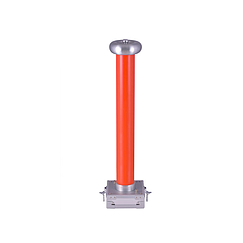
Why calibration matters for high-voltage measurement
High-voltage meters are commonly used in environments where measurement accuracy is directly tied to safety and process reliability. If the displayed value drifts over time, technicians may unknowingly apply the wrong test conditions, accept invalid results, or repeat work that should have been completed correctly the first time.
A structured calibration service helps identify drift, confirm performance across relevant points, and support better decision-making during electrical testing. For B2B users, this is especially important in maintenance departments, testing laboratories, manufacturing facilities, and field service teams that must document instrument condition as part of their internal quality system.
What a high voltage meter calibration service typically supports
The purpose of calibration is not only to compare a meter against a reference, but also to verify that the instrument remains suitable for ongoing use. In practice, this means checking measurement behavior under controlled conditions, reviewing overall instrument response, and documenting results in a way that supports maintenance history and audit readiness.
For many organizations, the service also helps standardize equipment management across multiple electrical test instruments. A high-voltage meter may be used alongside related tools for resistance, insulation, or dielectric testing, so maintaining a clear calibration schedule improves consistency throughout the wider test workflow.
When to schedule calibration
Calibration intervals depend on how often the instrument is used, the severity of the operating environment, and the criticality of the measurement. Equipment exposed to transport, frequent handling, demanding industrial conditions, or long periods of continuous use may require closer review than instruments used occasionally in a stable laboratory setting.
Typical triggers include a scheduled maintenance cycle, quality system requirements, unexpected measurement behavior, or verification after repair or impact. If your workflow also depends on related electrical test instruments, it can be useful to review associated services such as withstand voltage test calibration or low resistance meter calibration to keep the full test chain aligned.
Common use cases in industrial and technical environments
This type of service is relevant across many sectors that perform electrical verification or work around energized systems. Examples include utilities, industrial maintenance teams, panel builders, test benches, educational labs, and manufacturers that need dependable voltage readings during inspection or validation procedures.
In these environments, a traceable calibration record supports both operational control and documentation discipline. It can help maintenance managers track instrument status, support periodic audits, and reduce uncertainty when test data must be reviewed later by engineering, quality, or compliance teams.
How calibration supports safety and quality procedures
High-voltage work always demands careful procedures, appropriate training, and suitable equipment condition. While calibration does not replace safe work practices, it does strengthen the reliability of the measurement data used to make technical decisions. That becomes especially important when meters are part of formal inspection routines or acceptance testing.
Organizations that maintain a wider portfolio of electrical test equipment often benefit from coordinating service across related instruments. For example, teams involved in circuit protection or dielectric evaluation may also need breaker test equipment calibration or insulating materials testing equipment calibration as part of a broader quality program.
What to consider before sending equipment for calibration
Before arranging service, it is useful to review the instrument’s application, required measurement range, recent performance history, and any issues noticed by users. Clear information about how the meter is used can help determine the most relevant calibration approach and improve turnaround planning for maintenance teams.
It is also worth checking whether the instrument has been exposed to overload, mechanical shock, storage in poor environmental conditions, or other events that could influence measurement stability. Good calibration planning is not only about compliance dates; it is also about maintaining measurement confidence in day-to-day operations.
Choosing a service that fits your equipment management process
For B2B buyers, calibration is most effective when it fits into a structured asset management routine rather than being treated as an isolated event. That includes keeping service records organized, aligning intervals with equipment criticality, and reviewing calibration status before major projects, shutdowns, or formal inspections.
When high-voltage meters are part of a broader electrical test program, a category-specific service page like this one makes it easier to identify the right scope and connect it with neighboring calibration needs. A more organized approach reduces instrument uncertainty, supports internal procedures, and helps teams maintain continuity across testing, maintenance, and reporting activities.
Final thoughts
Reliable voltage measurement is a practical requirement for safe and consistent electrical testing. A well-planned High Voltage Meter Calibration Service helps organizations maintain dependable readings, stronger documentation, and better control over critical test instruments.
If your team manages multiple electrical testers across maintenance, inspection, or laboratory work, reviewing calibration needs by instrument type can simplify planning and improve long-term equipment reliability. That makes calibration not just a service activity, but an important part of overall measurement assurance.
Get exclusive volume discounts, bulk pricing updates, and new product alerts delivered directly to your inbox.
By subscribing, you agree to our Terms of Service and Privacy Policy.
Direct access to our certified experts