
High Voltage/ Step-up Transformers Calibration Service
Accurate high-voltage output is critical when step-up transformers are used in electrical testing, insulation verification, and laboratory validation work. Even small deviations can affect test reliability, traceability, and safety, especially in applications where controlled high potential must be applied with confidence. A professional High Voltage/ Step-up Transformers Calibration Service helps confirm that the transformer is performing as expected and that its output remains suitable for demanding test environments.
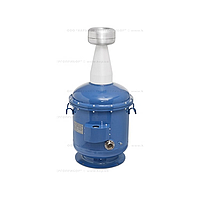
Why calibration matters for high-voltage step-up transformers
High-voltage and step-up transformers are often used as part of broader electrical test systems where output stability and voltage accuracy directly influence the quality of test results. Over time, normal use, environmental conditions, transport, insulation aging, and component drift can change performance characteristics. Calibration helps identify these changes before they lead to unreliable measurements or failed compliance checks.
In many industrial and laboratory settings, calibration is also important for maintaining measurement traceability and supporting internal quality procedures. When a transformer is used in regulated maintenance, production testing, or verification workflows, documented calibration can help reduce uncertainty and improve confidence in the entire testing process.
What this service typically supports
This category is relevant for organizations that use high-voltage generation equipment in maintenance departments, electrical workshops, utilities, manufacturing plants, and test laboratories. A calibration service for this type of equipment generally focuses on verifying output behavior against known references and checking whether the unit remains appropriate for its intended use.
Because these transformers are commonly part of a larger test setup, calibration may also be important when investigating inconsistent dielectric tests, unexpected withstand results, or differences between instruments used at different sites. In practice, this service helps users confirm that the high-voltage source is not introducing avoidable error into the test chain.
Common use cases in electrical testing workflows
Step-up transformers are frequently associated with high-voltage test procedures, insulation assessment, and other controlled electrical stress applications. In these environments, output verification is not just about instrument performance; it also supports repeatable procedures, safer operation, and more consistent interpretation of results across teams.
Where the transformer is used alongside related electrical test equipment, calibration planning is often handled as part of a broader maintenance schedule. For example, organizations that also manage withstand voltage test calibration service requirements may benefit from aligning calibration intervals so that the complete test setup remains dependable. In similar workflows, users may also review insulating materials testing equipment calibration service options when multiple assets contribute to the same validation process.
Key points to consider before sending equipment for calibration
Before arranging service, it is helpful to review how the transformer is used in actual operation. Important considerations can include nominal output range, duty conditions, connection method, frequency of use, environmental exposure, and whether the transformer is deployed as a standalone device or integrated into a larger test bench. This context helps ensure the calibration approach matches the real application rather than a generic assumption.
It is also useful to document any recent issues, such as unstable output, unexpected test variation, visible wear, or prolonged storage before reactivation. If the transformer supports critical field or workshop testing, calibration records can become an important reference point for trend monitoring and future service planning.
How calibration supports safety and test consistency
With high-voltage equipment, safety and test consistency are closely connected. If output is not properly verified, users may apply incorrect stress levels during testing, which can compromise both the validity of the procedure and the protection measures built around it. Calibration helps confirm that the transformer’s electrical output aligns with the intended test conditions.
This is especially relevant in facilities that perform repeated acceptance, maintenance, or troubleshooting tests on cables, insulation systems, or switchgear-related assets. In those cases, reviewing related services such as cable fault tester calibration service or breaker test equipment calibration service may also make sense when several instruments are used together in a single maintenance program.
Who benefits from this category
This service category is relevant for maintenance teams, test engineers, calibration coordinators, asset managers, and laboratories that need dependable high-voltage output as part of their workflow. It is particularly useful where test results must be documented, compared over time, or linked to internal quality systems.
Organizations managing multiple electrical test assets often gain the most value when calibration is approached systematically rather than instrument by instrument. A structured service schedule can reduce downtime, simplify audit preparation, and help keep critical equipment ready for use when testing demand increases.
Choosing the right calibration path
The right service approach depends on how the transformer is used, how critical the application is, and how tightly controlled the testing process needs to be. For some users, routine interval calibration is sufficient. For others, especially where the transformer is part of a validated process or a high-risk test setup, a more closely managed calibration plan may be appropriate.
When evaluating service needs, it is worth considering the full electrical test ecosystem rather than only the transformer itself. If several instruments contribute to one test result, calibration strategy should reflect that system-level dependency. This helps reduce uncertainty and supports more reliable decision-making in maintenance, verification, and inspection work.
Final considerations
A well-managed calibration service for high-voltage and step-up transformers helps protect the quality of electrical testing while supporting safer operation and more dependable documentation. For users who rely on stable high-voltage output, calibration is not only a maintenance task but also a practical step toward better repeatability, traceability, and confidence in day-to-day testing activities.
If your operation depends on consistent high-voltage performance, this category provides a focused starting point for maintaining equipment accuracy within a broader electrical test calibration program.
Get exclusive volume discounts, bulk pricing updates, and new product alerts delivered directly to your inbox.
By subscribing, you agree to our Terms of Service and Privacy Policy.
Direct access to our certified experts