
Capacitance/tan δ meter Inspection Service
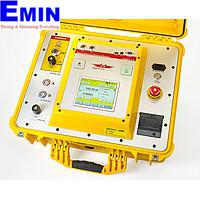
Reliable insulation assessment depends not only on the test method, but also on the condition of the instrument itself. When a capacitance and dissipation factor meter is used for transformer, cable, bushing, or rotating equipment diagnostics, even small measurement deviations can affect maintenance decisions. A professional Capacitance/tan δ meter Inspection Service helps confirm that the instrument is operating correctly and remains suitable for field or laboratory use.
For maintenance teams, utilities, testing contractors, and industrial plants, regular inspection is part of good quality control. It supports traceable measurement performance, helps identify wear or drift, and reduces the risk of relying on unstable electrical test results during preventive maintenance or troubleshooting.
Why inspection matters for capacitance and tan δ meters
Capacitance and tan delta testing is widely used to evaluate insulation condition by measuring capacitance values and dielectric losses. Because these instruments are often applied in high-value assets and condition-based maintenance programs, confidence in the meter is essential. Periodic inspection helps verify whether the device continues to perform within expected measurement behavior and whether it is appropriate for ongoing use.
In practical terms, inspection can help detect issues such as unstable readings, connection problems, display or control abnormalities, and general deterioration caused by transport, repeated field use, or storage conditions. This is especially important when test data is used to compare trends over time or to support maintenance planning.
What this service typically supports
A meter inspection service for this category is intended to evaluate the overall condition and usability of capacitance/tan delta measuring equipment. Depending on the equipment type and inspection scope, this may include checks related to operation, indication, measurement response, connection status, and other basic performance items relevant to the instrument.
Rather than treating the device as a simple handheld tester, inspection should be viewed as part of a broader asset management process. Teams that rely on periodic electrical diagnostics often need their instruments reviewed on a scheduled basis so that field test results remain dependable and consistent across projects, sites, and technicians.
Typical applications where dependable readings are important
Capacitance and tan delta meters are commonly associated with insulation diagnostics in power and industrial environments. In these settings, test results may be used to evaluate insulation aging, moisture influence, dielectric losses, or changes in equipment condition over time. That means the instrument itself must be checked regularly if the resulting data is going to support maintenance action.
This is particularly relevant in organizations that perform multiple types of electrical verification. For example, facilities that also manage withstand voltage test inspection services often need a consistent approach to instrument control across different test methods. Similar quality expectations also apply when insulation-related diagnostics are part of a wider preventive maintenance program.
When to consider inspection
Inspection is worth considering whenever there is uncertainty about instrument condition or when routine quality procedures require periodic review. Common situations include scheduled maintenance intervals, abnormal measurement behavior, return to service after storage, or before important testing campaigns where repeatability matters.
It can also be a sensible step after the instrument has been exposed to rough transport, demanding site conditions, or repeated connection cycles. If your team works with several electrical diagnostic tools, inspection planning may be coordinated alongside related services such as low resistance meter inspection to simplify maintenance scheduling and documentation.
How this category fits into electrical test equipment management
This service belongs to a broader maintenance and verification workflow for electrical testers. In many organizations, instrument reliability is managed at the same level of importance as the test procedure itself. A capacitance/tan delta meter that is physically intact but not performing consistently can still introduce doubt into the diagnostic process.
For that reason, inspection should be considered part of a structured equipment lifecycle that includes handling, storage, periodic review, and timely corrective action when needed. Companies that maintain a mixed fleet of insulation and fault-location devices may also review adjacent services such as cable fault tester inspection or insulating materials tester inspection where those tools are part of the same testing environment.
What to prepare before requesting service
To make the inspection process smoother, it is helpful to organize basic information about the instrument in advance. This can include the equipment type, current condition, known symptoms, operating history, and any concerns about measurement behavior seen in recent tests. Clear background information makes it easier to determine the most appropriate inspection approach.
If available, previous service records and details about accessories, leads, or connection components may also be useful, especially when the issue appears intermittently. Even when the instrument seems to be functioning normally, having a documented inspection history can support internal maintenance procedures and quality audits.
Choosing the right service approach
Not every inspection need is the same. Some users require a periodic condition check as part of preventive maintenance, while others are responding to unstable results or operational concerns in the field. The right approach depends on how the meter is used, how critical the data is, and how often the equipment is exposed to demanding operating conditions.
For organizations that depend on electrical diagnostics for asset health decisions, regular inspection helps reduce uncertainty and supports better maintenance planning. A well-managed Capacitance/tan δ meter Inspection Service program can contribute to more reliable testing workflows, more consistent records, and greater confidence in insulation assessment over time.
Get exclusive volume discounts, bulk pricing updates, and new product alerts delivered directly to your inbox.
By subscribing, you agree to our Terms of Service and Privacy Policy.
Direct access to our certified experts