
Lights, LED system Inspection Service
Reliable lighting performance is not only about brightness. In industrial facilities, laboratories, production lines, and commercial buildings, light and LED systems also affect safety, visual inspection quality, energy efficiency, and day-to-day operational stability. When measurement equipment or lighting-related test instruments are used for verification, maintenance, or quality control, regular inspection helps keep results consistent and trustworthy.
Lights, LED system Inspection Service is intended for organizations that need dependable evaluation of instruments and systems used in lighting-related testing and inspection work. This type of service is especially relevant when equipment supports acceptance testing, maintenance routines, electrical safety checks, or performance verification in environments where lighting quality matters.
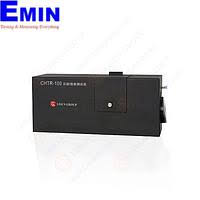
Why inspection matters for lighting and LED-related equipment
Lighting systems are often part of a wider electrical and facility infrastructure, so even small deviations in test equipment can lead to poor maintenance decisions or inconsistent quality records. Periodic inspection helps confirm that the equipment remains suitable for its intended use and that readings or functional checks stay within acceptable condition for practical work.
For businesses, this is important in more than one way. It supports maintenance planning, reduces uncertainty during troubleshooting, and helps teams document that instruments used in technical work are being managed properly. In applications involving LED systems, stable verification processes are particularly useful because performance assessment may depend on repeatability and consistent operating conditions.
Typical applications across industrial and technical environments
This service is relevant wherever lighting systems are installed, tested, maintained, or evaluated as part of a broader technical process. That may include factories, building management operations, panel builders, maintenance contractors, research environments, and quality control teams working with electrical systems.
In practice, lighting and LED-related inspection needs often appear in tasks such as checking installation condition, verifying system operation after maintenance, supporting facility upgrades, or reviewing equipment used in inspection workflows. In these settings, inspection service helps organizations maintain confidence in the tools that support technical judgment rather than relying only on visual assessment.
What is usually considered during an inspection service
The exact inspection scope depends on the device, its function, and how it is used in the field. In general, the process may involve condition review, functional verification, and confirmation that the equipment can still be used appropriately for routine testing or inspection tasks. The goal is not simply to mark equipment as pass or fail, but to assess whether it remains fit for reliable operation in its working context.
For users managing lighting or LED-related test workflows, important considerations often include operating stability, response behavior, basic electrical condition, and the overall usability of the equipment during actual work. This kind of structured review is valuable for teams that need better control over maintenance records and equipment readiness.
How to know when your equipment should be inspected
A scheduled interval is the most common starting point, but there are several practical signs that an earlier inspection may be worthwhile. If the equipment has been used heavily, moved between job sites, exposed to difficult environmental conditions, or stored for long periods, an inspection can help identify issues before they affect daily operations.
It is also sensible to arrange inspection after repair, after unusual measurement behavior, or when equipment is being prepared for an audit or internal quality review. Where lighting verification is linked to electrical testing programs, users may also review related services such as withstand voltage test inspection or insulating materials tester inspection as part of a broader equipment management plan.
Benefits for maintenance, compliance, and quality control
A well-managed inspection program supports more than equipment upkeep. It can improve traceability, reduce unexpected downtime, and make technical decisions easier because personnel are working with instruments that have been checked systematically. For B2B users, this is especially useful where documentation, maintenance discipline, and process consistency are important.
Inspection also contributes to better coordination between maintenance and quality teams. When lighting or LED system-related tools are checked at appropriate intervals, the organization gains a clearer view of equipment condition, service needs, and replacement timing. This can reduce the risk of using questionable instruments during troubleshooting or acceptance work.
Part of a wider electrical tester inspection strategy
Lighting and LED system equipment rarely exists in isolation. In many technical environments, it sits alongside other instruments used for electrical testing, insulation assessment, resistance checks, or fault investigation. Managing these devices through a coordinated inspection approach is often more effective than treating each item independently.
Depending on the workflow, related categories may also be relevant, such as low resistance meter inspection service for continuity and connection verification, or cable fault tester inspection service where electrical distribution and troubleshooting are part of the same maintenance scope. Looking at inspection needs in a connected way often leads to better planning and more reliable field work.
Choosing the right service for your application
Before arranging inspection, it helps to review how the equipment is actually used: whether it supports routine maintenance, incoming inspection, production quality checks, or site verification. The required service approach may differ depending on usage frequency, operating environment, and how critical the equipment is to your process.
Lighting and LED system inspection is most valuable when it is aligned with real operational needs rather than treated as a generic administrative task. A clear understanding of the application, the role of the equipment, and the expected level of control will help determine the most appropriate inspection interval and service scope.
Conclusion
When lighting performance and electrical verification affect safety, quality, or maintenance efficiency, the condition of inspection equipment deserves proper attention. Lights, LED system Inspection Service helps organizations maintain confidence in the instruments used for lighting-related technical work, while supporting a more structured and dependable equipment management process.
For companies handling broader electrical testing activities, this service can also fit naturally into a wider inspection program covering complementary instruments and workflows. Taking that broader view often leads to better reliability, better records, and fewer avoidable issues in the field.
Get exclusive volume discounts, bulk pricing updates, and new product alerts delivered directly to your inbox.
By subscribing, you agree to our Terms of Service and Privacy Policy.
Direct access to our certified experts