
Mechanical Power Presser Repair Service
Unplanned downtime in a press line can quickly affect production schedules, part quality, and operator safety. When a mechanical press begins showing abnormal vibration, inconsistent stroke behavior, clutch or brake issues, or reduced forming accuracy, a professional Mechanical Power Presser Repair Service helps restore stable operation and reduces the risk of wider equipment failure.
For factories that rely on stamping and forming processes, repair work is not only about getting the machine running again. It also involves identifying the root cause of wear, checking critical moving assemblies, and bringing the press back to a condition that supports repeatable production. This is especially important for older machines that may still be structurally sound but require targeted maintenance and repair to remain reliable.
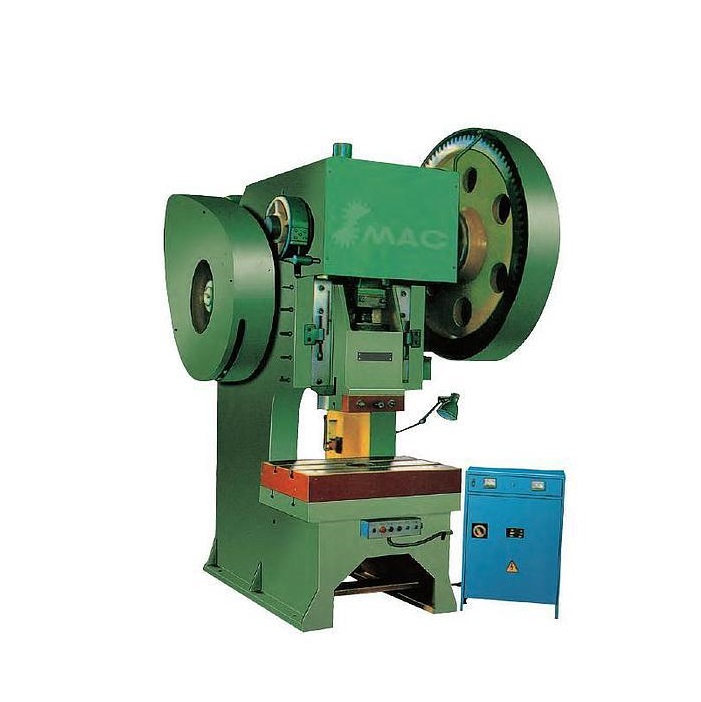
What this service typically covers
A mechanical power presser operates through a combination of drive components, transmission mechanisms, and control-related elements that must work together under repeated load. Over time, wear can appear in bearings, shafts, gears, slide mechanisms, lubrication paths, clutch and brake units, or frame-related alignment points. Repair service focuses on diagnosing these issues and correcting the mechanical causes behind unstable press performance.
Depending on the condition of the machine, service may include inspection of abnormal noise, vibration, overheating, poor stopping response, uneven motion, or reduced forming consistency. In many cases, technicians also assess whether the issue is isolated to one assembly or linked to broader problems such as poor lubrication, excessive clearance, or long-term fatigue in high-load components.
Why timely repair matters in press operations
Mechanical presses are often used in high-cycle production, where even small defects can escalate quickly. A worn clutch, degraded brake response, or misaligned slide can affect part quality, tool life, and process repeatability. Addressing these conditions early helps reduce secondary damage and supports safer machine operation.
Timely repair is also important from a planning perspective. Corrective work carried out at the right stage is often more manageable than waiting for a full breakdown. For plants running multiple types of processing equipment, aligning press maintenance with related services such as hydraulic stamping machine repair can support a more consistent maintenance strategy across the production floor.
Common problems seen in mechanical power press systems
Typical service requests involve issues that directly affect stroke consistency, forming force transmission, or stopping accuracy. These may include excessive vibration, abnormal impact noise, slipping in the drive system, poor engagement behavior, or difficulty maintaining stable press timing. In some cases, visible symptoms such as oil leakage, unusual heat, or irregular motion are only part of a larger mechanical issue.
Another common concern is the gradual loss of precision caused by wear in guides, rotating elements, and load-bearing connections. When these areas are neglected, the machine may continue operating but with increasing variation in output quality. That is why a proper fault diagnosis is essential before replacing parts or making adjustments.
Key inspection points during repair
A thorough repair process usually begins with condition assessment and functional checks. Technicians may review the machine’s operating behavior, inspect drive and motion transfer sections, and evaluate the condition of components exposed to repeated shock and cyclic load. The goal is to determine whether the repair should focus on isolated mechanical wear or a larger system restoration.
Important checkpoints often include:
- Drive and transmission condition
- Clutch and brake response
- Slide movement and alignment
- Lubrication effectiveness
- Signs of looseness, fatigue, or abnormal wear
- General operating stability under load
Where production facilities operate several machine types, comparing wear patterns across equipment can also be useful. For example, plants with sheet processing lines may also review maintenance needs for shear machine repair service or related cutting assets to prevent repeated stoppages in connected processes.
How to choose the right repair approach
Not every press problem requires the same level of intervention. Some machines benefit from localized repair and adjustment, while others may need a deeper overhaul of critical assemblies. A good service approach starts with understanding how the machine is used, what symptoms are recurring, and whether the current problem is affecting only uptime or also part quality and safety performance.
It is also useful to consider machine age, operating frequency, previous maintenance history, and the availability of replacement components. In practical terms, the right repair plan should aim for reliable operation, realistic downtime control, and a sensible balance between immediate corrective work and longer-term maintenance planning.
Repair service in the wider production environment
Mechanical power press maintenance is rarely an isolated issue. In many factories, the press is one part of a wider processing line that may include feeding, cutting, trimming, or downstream forming steps. When one machine becomes unstable, the impact often spreads to scheduling, operator workflow, and material handling efficiency.
For that reason, businesses often evaluate repair priorities across several categories of industrial machinery. In environments where multiple production assets require support, related services such as cutting machine repair service or food machinery repair service may also form part of a broader equipment reliability program, depending on the industry and process layout.
When to schedule service
Repair should be considered when the machine shows changes in sound, motion, stopping behavior, or output consistency. Even if production is still running, these warning signs often indicate developing wear that can lead to more serious failure. Scheduling service before the issue becomes critical helps protect tooling, reduce unexpected stoppages, and improve maintenance planning.
Routine attention is particularly valuable for presses operating under frequent load cycles or demanding production schedules. A structured repair and inspection process can extend usable machine life and support more predictable plant performance over time.
Conclusion
A dependable Mechanical Power Presser Repair Service is about more than restoring movement to a machine. It supports production continuity, helps identify the real source of mechanical issues, and improves confidence in daily press operation. For manufacturers working with stamping and forming equipment, a repair strategy based on proper inspection and practical corrective action is an important step toward safer and more stable production.
Get exclusive volume discounts, bulk pricing updates, and new product alerts delivered directly to your inbox.
By subscribing, you agree to our Terms of Service and Privacy Policy.
Direct access to our certified experts