
Hydraulic Stamping Machine Repair Service
Unexpected downtime in a press line can quickly affect output, delivery schedules, and operator safety. When a hydraulic stamping machine begins showing unstable pressure, slow cycle times, oil leakage, abnormal noise, or poor repeatability, a structured repair approach helps restore stable operation and reduce the risk of larger mechanical or hydraulic failures.
Hydraulic Stamping Machine Repair Service is intended for industrial users that need practical support for diagnosing, repairing, and returning hydraulic press equipment to reliable working condition. This service is relevant for production environments where press accuracy, repeatability, and hydraulic system stability are critical to forming, punching, or stamping processes.
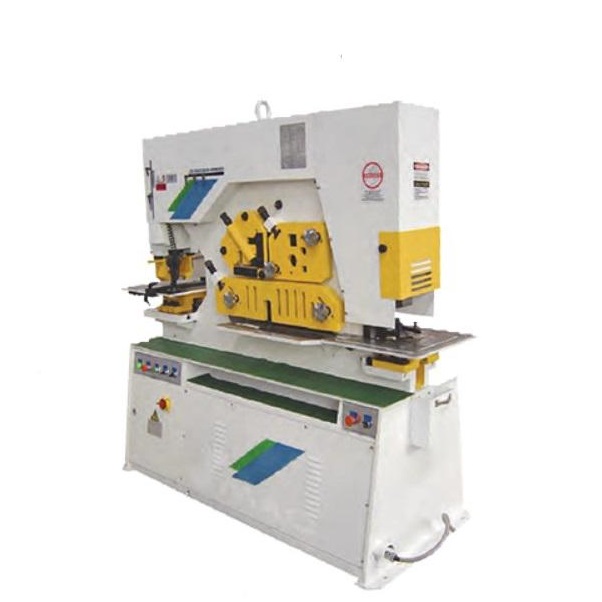
Typical issues seen in hydraulic stamping machines
Hydraulic stamping equipment works under high load and repeated cycles, so wear can develop across several systems at once. In many cases, visible symptoms such as reduced forming force or irregular movement are only the surface signs of deeper problems within the hydraulic circuit, drive components, seals, valves, or structural assemblies.
Common repair cases include pressure loss, unstable ram movement, overheating, fluid contamination, oil leaks, vibration, and control irregularities. Depending on the machine condition, service may also involve checking alignment, inspecting cylinders, evaluating pumps and valves, and identifying whether the fault is hydraulic, electrical, mechanical, or a combination of these factors.
What a repair service usually covers
A professional repair process generally starts with fault diagnosis rather than immediate part replacement. This is important because similar symptoms can come from very different causes, such as internal leakage, worn seals, pressure regulation problems, damaged piping, or mechanical misalignment in the press structure.
After inspection, repair work may include restoring hydraulic performance, resolving leakage points, servicing worn components, and verifying the machine under operating conditions. The goal is not only to make the machine run again, but to recover stable movement, correct pressure response, and dependable production behavior over time.
Why hydraulic system condition matters
The hydraulic system is the core of stamping force generation, and even a small issue can affect the whole machine. When pressure control becomes inconsistent, the press may produce incomplete forming, unstable cycle timing, or excess stress on the frame and tooling. Over time, this can lead to secondary damage if not addressed early.
Hydraulic performance depends on the condition of pumps, cylinders, valves, seals, hoses, fluid cleanliness, and pressure regulation. Repair service therefore needs to look beyond the most obvious fault and assess how the full system behaves under load, especially in machines used continuously in demanding production environments.
Mechanical and control-related checks during repair
Although hydraulic faults are often the main concern, repair work should also consider the mechanical and control side of the machine. Wear in guides, connections, or moving assemblies can create uneven motion, noise, or loss of pressing accuracy. In the same way, sensor or control issues may cause inconsistent sequencing or unexpected operating behavior.
A complete service approach helps determine whether the root cause lies in the mechanical structure, the hydraulic circuit, or the machine control process. This broader view is useful because it supports more durable repairs and helps prevent repeat failures after the equipment is returned to operation.
When to schedule hydraulic stamping machine repair
Repair should be considered as soon as the machine starts showing changes in force output, stroke stability, cycle response, or fluid condition. Delaying service can increase wear and may turn a manageable issue into a larger shutdown involving multiple damaged components.
Typical warning signs include persistent leakage, lower pressure than normal, slow press return, abnormal pump sound, overheating, erratic operation, or reduced consistency in finished parts. Early intervention often makes troubleshooting easier and may help reduce the overall repair scope.
Related repair services for industrial production equipment
Many production facilities operate different types of forming and processing machinery, so maintenance planning often extends beyond one press type. If your plant also uses other equipment in nearby process stages, related services such as mechanical power presser repair service or shear machine repair service may also be relevant.
For fabrication workflows that include sheet processing or downstream operations, some users also review cutting machine repair service. In facilities with specialized process lines, broader equipment support such as food machinery repair service may be useful in a different operating context.
How to choose the right service scope
The right repair scope depends on the machine’s symptoms, production role, failure history, and operating intensity. In some cases, a focused intervention is enough to correct a localized issue. In others, the machine may require a more comprehensive assessment to address wear across hydraulic, structural, and control elements together.
It is usually helpful to prepare basic information before service, such as the observed fault pattern, operating conditions, maintenance history, and whether the issue appears constantly or only under load. This supports faster diagnosis and helps prioritize the most relevant repair actions.
Supporting reliable press operation after repair
Repair work is most effective when it is followed by practical checks on operating condition, fluid quality, leakage points, and overall press behavior in production. Monitoring these areas after the machine returns to service can help identify recurring issues early and support more stable long-term performance.
For factories that rely on hydraulic presses in daily production, a well-planned repair service is not only about restoring function. It is also about improving reliability, protecting tooling and surrounding equipment, and helping the machine return to consistent, safe, and predictable operation.
Get exclusive volume discounts, bulk pricing updates, and new product alerts delivered directly to your inbox.
By subscribing, you agree to our Terms of Service and Privacy Policy.
Direct access to our certified experts