
Hot Air Welding Machine Repair Service
Unstable temperature, weak airflow, poor seam quality, or repeated shutdowns can quickly turn a hot air welding process into a production bottleneck. In industrial environments where consistent heat application is critical, timely maintenance and professional repair help restore welding performance, reduce material waste, and limit unplanned downtime. That is why many maintenance teams look for a reliable Hot Air Welding Machine Repair Service that focuses on practical fault diagnosis and long-term operating stability.
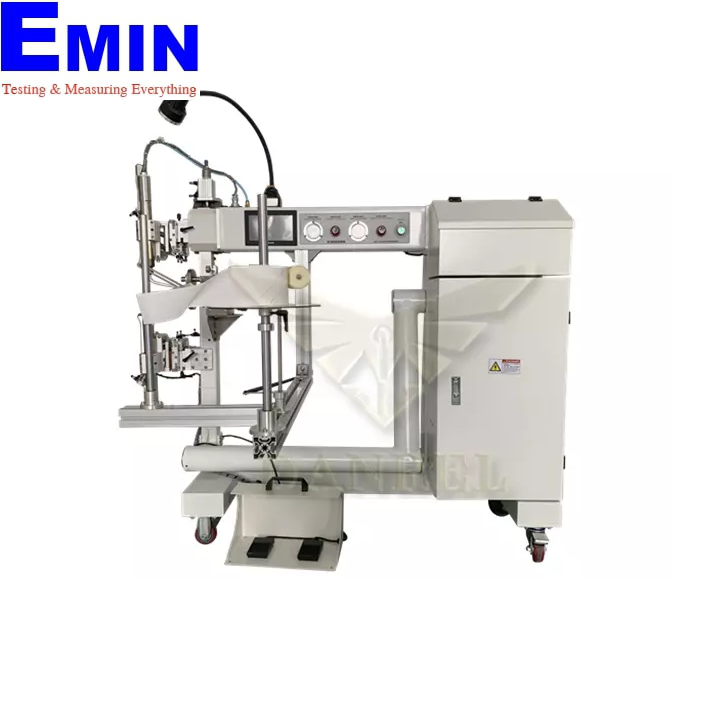
Why repair quality matters for hot air welding equipment
Hot air welding machines are used in processes where controlled heat and airflow must work together to produce repeatable welds. When either of these parameters drifts, the result may be incomplete bonding, overheating, surface damage, or inconsistent sealing across the workpiece. Even a small performance deviation can affect output quality and increase rework.
A structured repair service does more than restore power to the machine. It helps identify the root cause of the failure, whether it comes from heating elements, air delivery issues, electrical instability, control problems, or wear in key assemblies. For production users, this approach is more valuable than a temporary fix because it supports safer operation and more predictable process results.
Common issues seen in hot air welding machines
In day-to-day operation, hot air welding equipment can be affected by both thermal stress and mechanical wear. Over time, repeated heating cycles may reduce heating efficiency, while dust, contaminants, or blocked air paths can interfere with temperature consistency. Operators may also notice slower startup, insufficient heating, unusual noise, or difficulty maintaining a stable weld.
Electrical faults are another frequent concern. These may involve switches, wiring, control boards, sensors, or power-related components that influence machine response and operating accuracy. In some cases, the machine still runs but no longer delivers the expected welding quality, which often points to a deeper issue in the heating and control system rather than a simple operator setting problem.
What a professional repair service typically includes
A comprehensive repair process usually begins with equipment inspection and functional testing. The goal is to verify visible symptoms, isolate the likely fault area, and evaluate how the problem affects heat generation, airflow, and machine stability. This step is important because similar output problems can come from very different technical causes.
After diagnosis, repair work may involve replacing worn or failed parts, correcting electrical faults, restoring air delivery performance, and checking overall machine operation under load. Good service also includes post-repair testing to confirm that the unit returns to a usable and stable condition. For industrial users, this matters because machine recovery should be measured not only by whether the equipment powers on, but by whether it can support actual production requirements again.
When to schedule repair instead of waiting for failure
Many users only send equipment for service after a full breakdown, but that is rarely the most efficient approach. If a hot air welding machine shows early warning signs such as fluctuating temperature, reduced welding strength, delayed response, or repeated process inconsistency, repair should be considered before the issue escalates. Early intervention can prevent collateral damage to related components and shorten overall downtime.
This is especially important in production lines where one machine problem can affect downstream operations. Planned repair is often easier to manage than emergency service because it gives maintenance teams time to inspect surrounding equipment, review operating conditions, and avoid repeated failures caused by the same unresolved issue.
How to evaluate the right repair support for your equipment
Choosing a repair service for industrial welding equipment should involve more than checking availability. It is useful to look for a service approach that emphasizes fault analysis, repair suitability, and functional verification after maintenance. Machines used in demanding environments require attention to actual operating conditions, not just basic part replacement.
It also helps to prepare clear information before requesting service. Details such as failure symptoms, operating behavior, installation conditions, and whether the issue is intermittent or continuous can make troubleshooting more efficient. For maintenance departments handling multiple machine types, related service categories such as cutting machine repair service or shear machine repair service may also be relevant when broader production equipment support is needed.
Typical industrial applications that depend on stable hot air welding
Hot air welding equipment is commonly used where materials need localized heating for joining, sealing, or forming operations. In these applications, process consistency is often more important than peak output because even minor deviations can affect product finish, bond integrity, or repeatability from one batch to another. That is why equipment condition has a direct impact on quality control.
Facilities that operate several categories of forming and processing machinery often benefit from coordinated maintenance planning across different assets. In that context, services such as hydraulic stamping machine repair and mechanical power presser repair can be part of a wider maintenance strategy for keeping production equipment available and dependable.
Benefits of timely repair for production and maintenance teams
The main value of repair is not only restoring a machine after failure, but improving overall operational continuity. A well-repaired hot air welding unit can help reduce scrap, improve weld consistency, and lower the risk of recurring stoppages. For maintenance teams, it also provides better visibility into component condition and likely wear patterns, which supports future service planning.
From a cost perspective, timely repair can often be more practical than allowing progressive damage to spread through the system. When faults are addressed early, users may avoid longer downtime, additional component failures, and process losses caused by unstable weld quality. This is particularly relevant in B2B production settings where equipment reliability directly affects scheduling and delivery performance.
Support a more reliable hot air welding process
If your equipment is showing signs of unstable heating, reduced airflow performance, or inconsistent weld results, a dedicated repair service for hot air welding machines can help restore function and reduce disruption to production. The most effective approach is one that combines careful diagnosis, practical repair work, and confirmation that the machine can operate reliably under normal working conditions.
For facilities managing multiple types of industrial equipment, repair planning should be viewed as part of a broader maintenance strategy rather than a last-minute response. With the right service support, hot air welding equipment can return to stable operation and continue supporting consistent manufacturing output.
Get exclusive volume discounts, bulk pricing updates, and new product alerts delivered directly to your inbox.
By subscribing, you agree to our Terms of Service and Privacy Policy.
Direct access to our certified experts