Milling Machine Repair Service
Unexpected spindle vibration, positioning error, unstable feed motion, or repeated alarm conditions can quickly reduce machining quality and interrupt production schedules. For workshops that rely on milling equipment for daily output, timely and properly scoped repair work is often more valuable than waiting for a full machine replacement. This is where Milling Machine Repair Service becomes an important part of maintenance planning for CNC and conventional machining environments.
Repair support in this category is relevant for facilities that need to restore machine performance, improve operational stability, and reduce unplanned downtime. Whether the issue affects mechanical movement, control behavior, or overall machining consistency, a structured repair process helps bring the equipment back into usable condition while supporting safer and more predictable operation.
What this service category is designed to support
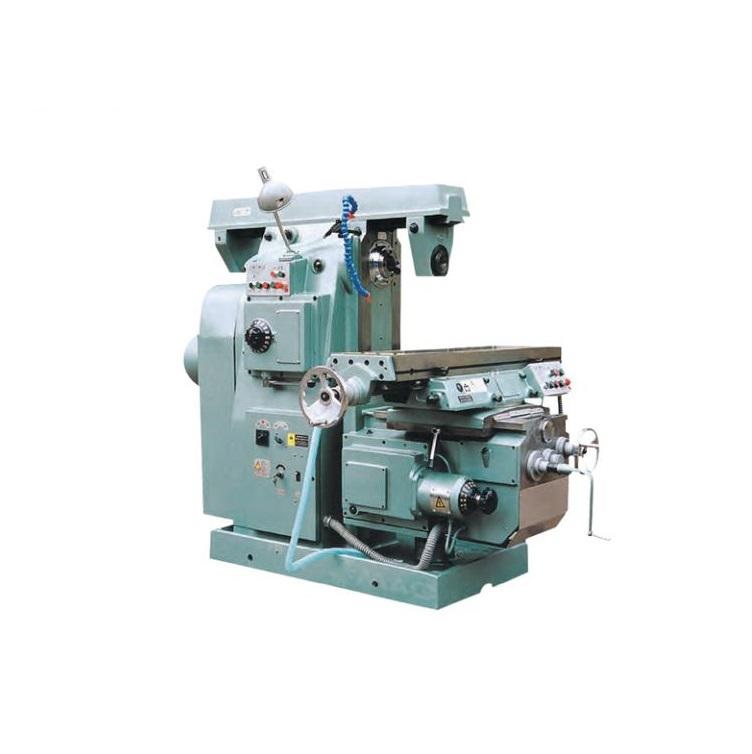
Milling machines are used in a wide range of industrial processes where dimensional accuracy, repeatability, and reliable motion control matter. Over time, wear, impact loads, contamination, and electrical faults can affect spindle behavior, axis travel, clamping performance, or machine response during cutting cycles. A repair service focused on milling equipment is intended to address these issues in a practical way, based on the machine condition and the production demands around it.
In many cases, service work is not limited to one isolated fault. Machines may show a combination of symptoms such as abnormal noise, reduced precision, poor surface finish, inconsistent movement, or control-related interruptions. A good repair scope typically begins with fault identification, followed by corrective work on the affected mechanical, electrical, or control-related areas so the machine can return to stable operation.
Common repair needs in milling machine applications
Industrial users usually seek repair service when performance starts to drift or when the machine can no longer support normal production quality. Problems may appear gradually, such as worsening backlash or declining repeatability, or they may happen suddenly after overload, collision, or component failure. In either case, the key objective is to restore machine reliability and minimize the impact on throughput.
Typical concerns may include spindle-related issues, feed system irregularities, axis positioning errors, unusual heat generation, lubrication-related wear, or control and drive faults. In CNC environments, repair work can also involve troubleshooting communication or control-side behavior that affects machining stability. For operations running multiple metalworking assets, related services such as cutting machine repair service may also be relevant when maintenance planning covers more than one production line.
Examples of repair services in this category
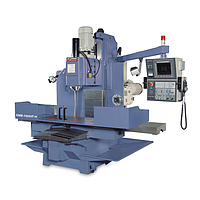
This category may include service options for different machine types and operating contexts. For example, the SMAC ecosystem includes the SMAC CNC Turret Milling Machine Repair Service, which is relevant for facilities using turret-style CNC milling equipment and needing focused support to recover machine functionality.
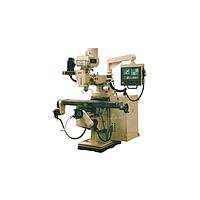
Another example is the JSEDM CNC Milling Repair Service, suitable for users working with CNC milling platforms where production continuity depends on stable movement, accurate machining, and dependable control behavior. For broader production environments, this category may also sit alongside specialized support areas such as shear machine repair service when several fabrication assets need maintenance attention.
How to evaluate the right repair scope
Not every milling machine problem requires the same level of intervention. Some cases involve localized repairs to restore a specific function, while others may require broader inspection because multiple subsystems have been affected over time. When reviewing service options, it helps to consider the machine type, the severity of the fault, production criticality, and whether the issue is mechanical, electrical, or related to CNC control performance.
It is also useful to assess the machine’s role in the overall process. If the equipment is used for high-precision machining or supports an important production bottleneck, the repair approach should prioritize operational verification and consistency after corrective work. In mixed manufacturing environments, facilities may compare service planning across adjacent assets, including hydraulic stamping machine repair service, especially when downtime coordination matters across departments.
Why manufacturer familiarity can matter
Repair requirements often vary depending on machine architecture, control layout, and the way each manufacturer configures core assemblies. That is why users may look for service options associated with specific brands already present in their plant. Within this category, examples include support related to JSEDM, SMAC, and HST, depending on the type of machine and the service need.
While the exact repair workflow depends on the equipment condition, manufacturer familiarity can help when diagnosing faults, identifying likely wear points, and understanding how the machine is intended to operate. This is especially relevant for CNC systems, where repair quality depends not only on replacing or restoring parts, but also on bringing the full machine back to stable working condition.
Related service context in industrial production
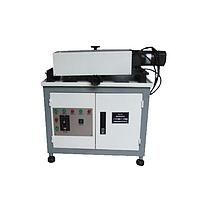
Milling equipment rarely operates in isolation. In many facilities, it forms part of a larger chain that may include cutting, pressing, forming, inspection, or sample preparation processes. That is why repair planning often benefits from a broader maintenance view rather than treating each machine as a completely separate case. The HST Automatic Dumbbell Sample Making Machine Repair Service, for example, reflects how specialized machines in testing or preparation workflows may require different but related support strategies.
Understanding this wider context helps buyers and maintenance teams choose services that fit actual plant conditions. A repair decision is not only about fixing one fault; it is also about restoring process continuity, protecting product quality, and reducing repeated stoppages across the equipment base.
Choosing a service category that matches your machine issue
When browsing repair options, it is useful to match the service category to the machine’s primary function instead of selecting based only on a symptom. A spindle issue on a milling machine, for example, should still be evaluated within the context of the machine’s full machining system, not just as a general rotating equipment problem. This leads to better service alignment and more practical repair outcomes.
For buyers, maintenance planners, and industrial users comparing available options, the goal is to find a category that reflects the actual machine type, operating environment, and fault profile. That makes it easier to narrow down the right support path for CNC milling systems, turret milling machines, and other milling-related equipment covered within this service scope.
Final thoughts
Effective repair support helps extend equipment usability and keeps production resources working longer with fewer disruptions. In machining environments where consistency and uptime matter, a focused repair service strategy for milling equipment can support both operational stability and maintenance efficiency.
If your facility is troubleshooting machining errors, motion instability, or broader performance decline, this category provides a practical starting point for evaluating relevant service options. Reviewing machine type, fault pattern, and brand context will help you identify the most suitable path for restoring dependable milling performance.
Get exclusive volume discounts, bulk pricing updates, and new product alerts delivered directly to your inbox.
By subscribing, you agree to our Terms of Service and Privacy Policy.
Direct access to our certified experts