
Current generator Calibration Service
Accurate current output is essential wherever test benches, protection checks, relay verification, and electrical maintenance depend on a known reference. Even a small deviation in a source instrument can affect pass/fail decisions, documentation quality, and confidence in downstream measurements. For that reason, Current generator Calibration Service plays an important role in maintaining traceable performance for electrical test equipment used in industrial, utility, and laboratory environments.
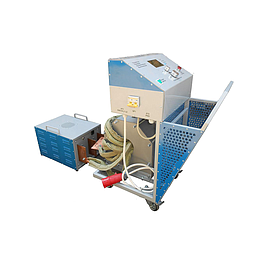
Why current generator calibration matters
A current generator is commonly used to provide a controlled output current for checking instruments, validating protective devices, and supporting electrical test procedures. When that output drifts over time, the impact is not limited to the generator itself; it can also influence the reliability of every device being tested against it.
Regular calibration helps confirm that the instrument delivers current within the expected range and with consistent behavior across its operating points. In practical terms, this supports measurement confidence, improves repeatability, and helps maintenance teams reduce uncertainty when interpreting electrical test results.
Typical use cases for calibrated current generators
Current generators are used in many electrical testing workflows where a stable and known current source is required. This may include routine verification tasks in service environments, support for maintenance programs, or controlled testing procedures in technical labs and industrial facilities.
Calibration is especially relevant when the instrument is part of a broader test chain. If your workflow also involves related equipment such as breaker test equipment calibration services, keeping the current source in specification helps create a more reliable overall process.
What is typically checked during calibration
The exact scope depends on the instrument and the service procedure, but calibration generally focuses on verifying the actual output against known standards at selected points. This can involve checking performance across different current levels, assessing stability, and identifying any output deviation that could affect field or bench testing.
In many service scenarios, attention is also given to traceability and documentation. A clear calibration record supports quality systems, internal maintenance planning, and audits where evidence of instrument performance is required. For organizations operating in regulated or safety-critical environments, this documentation can be as important as the adjustment itself.
When to schedule a current generator calibration service
Calibration intervals are usually influenced by usage frequency, operating conditions, required accuracy, and internal quality procedures. Instruments that are used regularly in demanding environments, transported between sites, or exposed to electrical stress may require closer monitoring than equipment used under stable laboratory conditions.
It is also wise to schedule service after any event that could affect performance, such as impact, overload, abnormal readings, or long storage periods. If your test program includes nearby functions such as withstand voltage test calibration, aligning service intervals across related equipment can simplify maintenance planning.
How calibration supports electrical testing quality
In electrical testing, the source, the measuring instrument, and the test method all contribute to result quality. A current generator that is properly calibrated helps establish a dependable reference for the rest of the setup. This is particularly important when results are used for acceptance testing, maintenance records, compliance reporting, or troubleshooting.
Well-maintained source equipment also reduces the risk of chasing false problems caused by the test instrument rather than the device under test. In broader workflows that include insulation and material evaluation, related services such as calibration for insulating materials testing equipment may be relevant to maintaining a consistent verification environment.
Choosing the right service approach
When arranging a calibration service for current generators, it is useful to consider the role of the instrument in your operation. Some teams prioritize routine interval calibration for preventive control, while others focus on event-based verification after intensive use or before critical test campaigns. The right approach depends on how strongly the instrument influences operational decisions and reporting.
It is also helpful to review the surrounding equipment ecosystem rather than treating one device in isolation. For example, if low-resistance measurements are also part of the same maintenance or commissioning workflow, a coordinated plan that includes low resistance meter calibration can improve consistency across the complete test chain.
Documentation and long-term asset management
Calibration is not only a technical verification task; it also supports better asset control over time. Recorded results make it easier to track instrument behavior, identify drift trends, and decide whether an item remains suitable for its intended use. This is valuable for maintenance managers, quality teams, and technical buyers responsible for keeping electrical test assets dependable.
Good service records can also help with planning future calibration intervals, budgeting service activity, and reducing unplanned downtime. Over time, that turns calibration from a reactive requirement into a practical part of equipment lifecycle management.
Conclusion
Where electrical testing depends on a stable and known current source, calibration helps protect the quality of every result that follows. A well-managed Current generator Calibration Service supports accuracy, traceability, and more reliable decision-making across maintenance, verification, and test operations. If your workflow includes multiple electrical test instruments, reviewing calibration needs across the full equipment set can be an efficient way to strengthen overall process reliability.
Get exclusive volume discounts, bulk pricing updates, and new product alerts delivered directly to your inbox.
By subscribing, you agree to our Terms of Service and Privacy Policy.
Direct access to our certified experts