
Flouscent lamp tester calibration service
Reliable test results are essential when checking lamp performance, electrical safety, and production quality in lighting-related applications. If a fluorescent lamp tester drifts out of tolerance, the readings used for inspection, troubleshooting, or acceptance testing can become difficult to trust. A professional Flouscent lamp tester calibration service helps maintain confidence in measurement accuracy and supports more consistent maintenance and quality control work.
In practical environments such as maintenance departments, electrical labs, manufacturing support, and service organizations, test equipment is often exposed to regular handling, transport, and repeated use. Over time, this can affect indication accuracy, output verification, and overall test reliability. Calibration provides a structured way to check instrument performance against known references and document its condition for ongoing use.
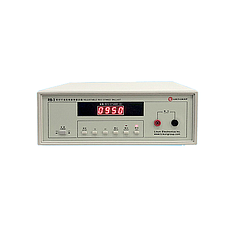
Why calibration matters for fluorescent lamp testing
Fluorescent lamp testers are typically used to verify whether lamps, related circuits, or testing setups are operating as expected. When the instrument itself is not periodically checked, users may misinterpret a lamp fault, overlook a wiring issue, or make service decisions based on inaccurate values. That is why calibration traceability remains important for both field service and controlled testing environments.
Regular calibration also supports internal quality systems by creating a documented history of equipment condition over time. For organizations that manage multiple electrical test instruments, this makes it easier to plan service intervals, identify recurring drift, and reduce the risk of questionable test records during maintenance or audits.
What a calibration service typically helps verify
A calibration workflow for this type of instrument is generally intended to evaluate whether the tester performs within its expected operating range and whether its readings remain dependable for the intended application. Depending on the instrument design, this may involve checking key measurement functions, indication behavior, response stability, and overall operational consistency under controlled conditions.
The goal is not only to confirm whether the tester still works, but to determine whether it works with a level of accuracy appropriate for inspection and decision-making. In many cases, this is especially relevant when the tester is part of a broader electrical maintenance program alongside services such as withstand voltage test calibration or other verification activities for safety-related equipment.
Who may need this service
This service can be relevant to companies and technical teams that rely on lamp testing as part of production support, incoming inspection, repair workflows, or facility maintenance. That includes electronics and lighting-related operations, service contractors, utility support teams, maintenance workshops, and laboratories that need repeatable test results rather than simple go/no-go assumptions.
It is also useful for organizations with controlled calibration programs across multiple instruments. If fluorescent lamp testers are used together with low-value resistance measurement tools, breaker test instruments, or insulation-related test equipment, keeping each device on a managed schedule helps create a more consistent measurement environment. For example, some users may also review related services such as low resistance meter calibration when planning periodic maintenance for electrical test assets.
Benefits of periodic calibration
The most direct benefit of calibration is improved confidence in test data. When an instrument has been checked and documented, technicians can make decisions with better assurance, whether they are evaluating lamp condition, comparing results across jobs, or troubleshooting an electrical problem.
There are also broader operational benefits. A structured calibration program can help reduce unnecessary retesting, support preventive maintenance, and improve consistency between different technicians or departments. In environments where test equipment supports compliance, inspection records, or customer acceptance processes, documented measurement reliability becomes just as important as the test itself.
- Helps verify that the tester remains suitable for ongoing use
- Supports more consistent troubleshooting and inspection results
- Provides service documentation for internal quality records
- Reduces the risk of decisions based on drifted or unstable readings
How to decide when calibration is due
The right calibration interval depends on how often the instrument is used, how critical the measurement is, and the conditions in which the tester operates. Equipment used frequently in field service or production environments may need closer monitoring than instruments used occasionally in a controlled lab setting.
Many organizations set intervals based on internal procedures, equipment history, or quality requirements. It can also be helpful to review calibration sooner if the tester has experienced impact, abnormal readings, storage in harsh conditions, or inconsistent behavior during normal use. Where electrical test programs include specialized instruments for cable and insulation diagnostics, teams may also coordinate schedules with services such as cable fault tester calibration to simplify asset management.
Calibration in the context of broader electrical testing programs
Fluorescent lamp testing does not always stand alone. In many facilities, it is part of a larger set of electrical verification tasks that may include continuity checks, dielectric testing, insulation evaluation, and equipment troubleshooting. Looking at calibration in this wider context helps ensure that one reliable instrument is not undermined by another device elsewhere in the workflow.
For that reason, companies often manage fluorescent lamp tester calibration together with related electrical instrument services. Where material performance or insulation behavior is also part of the testing process, it may be useful to review insulating materials testing equipment calibration as part of a coordinated service plan.
What to prepare before sending equipment for calibration
Before arranging service, it is helpful to record the instrument identification, current operating condition, and any symptoms observed by users. Notes about unstable readings, display issues, intermittent behavior, or suspected damage can make the evaluation process more efficient and help clarify whether the work is limited to calibration or whether inspection is also needed.
If your organization tracks assets internally, include the relevant asset number, previous service date, and required reporting format if applicable. This makes it easier to align the calibration outcome with your maintenance system and keep equipment history organized for future review.
Choosing a service approach that fits your application
Not every user applies a fluorescent lamp tester in the same way. Some need routine periodic verification for general maintenance, while others require more controlled documentation to support internal quality systems or regulated workflows. The best service approach is one that matches how the instrument is actually used, how critical the results are, and how the records will be reviewed afterward.
When the tester plays a role in operational decisions, maintenance planning, or product evaluation, calibration should be treated as part of a broader measurement management process rather than a one-time administrative task. A well-planned service interval helps keep the instrument dependable and supports more confident testing over time.
Keeping fluorescent lamp testers in calibration is a practical way to protect the quality of electrical test work. With a consistent service schedule and clear documentation, teams can reduce uncertainty, improve repeatability, and maintain better control over the instruments they depend on every day.
Get exclusive volume discounts, bulk pricing updates, and new product alerts delivered directly to your inbox.
By subscribing, you agree to our Terms of Service and Privacy Policy.
Direct access to our certified experts