
High-pressure test equipment Calibration Service
Reliable test results start with confidence in the instruments behind them. In environments where insulation integrity, dielectric strength, and electrical safety must be verified under demanding conditions, regular High-pressure test equipment Calibration Service helps maintain measurement accuracy, repeatability, and traceability for critical test operations.
High-pressure electrical test equipment is commonly used in manufacturing, utilities, maintenance, laboratories, and quality control workflows. Because these instruments operate in applications where elevated voltage is central to the test method, calibration is not only a maintenance task but also an important part of risk control, compliance support, and dependable decision-making.
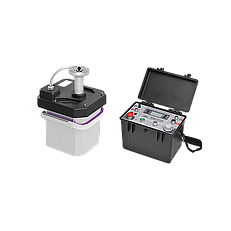
Why calibration matters for high-pressure test equipment
When a high-pressure tester drifts out of tolerance, the consequences can extend beyond a simple reading error. A result that appears acceptable may hide insulation weakness, while an overly strict result may lead to unnecessary rework, rejected components, or delays in commissioning and maintenance activities.
Routine calibration helps verify that the instrument continues to perform within expected limits across its intended operating range. For organizations that rely on documented test quality, this supports measurement traceability, improves consistency between test benches or sites, and reduces uncertainty when reviewing pass/fail outcomes.
Typical situations where this service is relevant
This category is relevant for users working with high-voltage or high-pressure electrical testing processes where dependable output and indication are essential. That can include incoming inspection, production testing, preventive maintenance, field verification, or validation work in regulated and safety-sensitive environments.
Calibration is especially useful when instruments are used frequently, transported between sites, exposed to demanding conditions, or included in quality systems that require periodic verification. It is also a practical step after repair, after suspected overload, or whenever test results appear inconsistent with expected equipment behavior.
What is typically checked during calibration
The exact calibration scope depends on the instrument type and its function, but the objective is generally the same: confirm that the equipment delivers and indicates test values correctly within the required range. This may involve checking output behavior, indication accuracy, stability, and overall functional performance against appropriate reference standards and procedures.
For many users, the real value of calibration is not just the adjustment itself, but the documented evidence that the instrument has been evaluated in a controlled process. A proper calibration workflow supports quality assurance by providing records that can be used for audits, maintenance planning, and internal technical review.
How to choose the right calibration interval
There is no single interval that fits every operation. The right schedule depends on how often the instrument is used, the severity of the operating environment, the criticality of the test, and any internal or customer-specific quality requirements. Equipment used in high-volume production or safety-related acceptance testing often needs more frequent attention than tools used occasionally in a controlled lab.
Many companies also review historical performance when setting intervals. If an instrument remains stable over multiple calibration cycles, the interval may be confirmed or optimized. If drift is found repeatedly, a shorter interval may be more appropriate. For related electrical test instruments, some users also coordinate scheduling with services such as withstand voltage test calibration to simplify maintenance planning.
Benefits for safety, compliance, and operational reliability
High-pressure testing is closely tied to electrical safety and product integrity, so calibration supports more than instrument upkeep. It helps technical teams make decisions based on data they can trust, whether they are releasing products, troubleshooting failures, or confirming equipment condition before energization.
From a compliance perspective, calibrated instruments are often easier to integrate into structured quality systems and documented maintenance programs. This is particularly valuable when calibration records must support internal procedures, customer requirements, or external audits. In broader test workflows, organizations may also align this service with breaker test equipment calibration where multiple electrical verification instruments are managed together.
Related electrical test calibration needs
High-pressure testing rarely exists in isolation. In many facilities, it is part of a larger electrical test ecosystem that includes insulation verification, continuity checks, low-resistance measurement, and fault investigation. Managing calibration across these connected instruments helps maintain consistency throughout the full test process.
Depending on the application, users may also need support for adjacent categories such as low resistance meter calibration service or cable fault tester calibration service. Choosing calibration services in a coordinated way can reduce downtime and make asset management more efficient.
What to prepare before sending equipment for calibration
Before arranging service, it helps to identify the instrument type, current condition, known performance concerns, and any available history such as previous certificates or repair records. Clear information about the intended application can also help define the most appropriate calibration scope and acceptance criteria.
If the instrument has accessories, special leads, fixtures, or operating instructions that affect normal use, including those details can make the evaluation more representative of real working conditions. This is especially important for specialized equipment where setup and connection method influence practical test performance.
Supporting dependable electrical testing over time
Consistent calibration is a practical way to protect the value of high-pressure test equipment and the decisions made from its results. Whether the goal is safer operation, stronger quality control, or better audit readiness, a structured calibration program helps reduce uncertainty in critical electrical testing tasks.
For teams responsible for dependable test data, this category provides a focused path to keeping high-pressure instruments aligned with operational and quality requirements. A well-managed calibration schedule can make day-to-day testing more reliable while supporting long-term equipment performance and documentation needs.
Get exclusive volume discounts, bulk pricing updates, and new product alerts delivered directly to your inbox.
By subscribing, you agree to our Terms of Service and Privacy Policy.
Direct access to our certified experts